

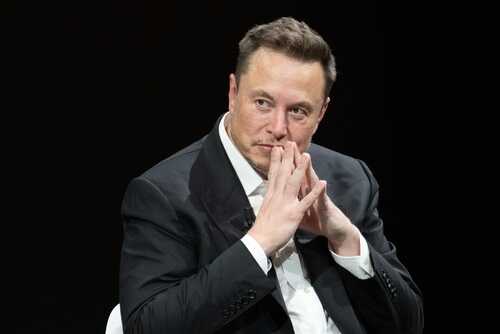
Elon Musk’s sudden withdrawal from launching the “America Party” and his pivot toward backing Vice President JD Vance for 2028 have eased fears of a GOP fracture but exposed sharp divisions between tech elites and conservative leadership.
At a Glance
- Musk suspended plans for a new centrist party after clashing with Trump over legislation
- Polls on X showed voter interest in a third option, alarming Republican leaders
- Vice President JD Vance persuaded Musk to realign with the GOP
- Musk’s recalibration restored donor confidence and party stability
- Episode underscores tension between wealthy tech leaders and conservative priorities
Musk’s Party Gambit
In June 2025, Elon Musk announced plans to form the “America Party” following a public feud with President Donald Trump over the “One Big, Beautiful Bill,” a sweeping legislative package that curtailed electric vehicle subsidies. Musk criticized the measure heavily, warning of its impact on Tesla and the broader clean energy sector. A poll on X suggested strong voter appetite for a centrist alternative, prompting Republican strategists to raise alarms about a potential fracture in conservative ranks.
Watch now: Trump vs. Musk Feud · Twitter
Musk Hits Pause On New Party Launch While He Weighs Backing Vance In 2028 https://t.co/bB4Hrs0r1r
— Fearless45 (@Fearless45Trump) August 21, 2025
By July, Musk formally unveiled the America Party, escalating tensions with Trump and raising concerns among major Republican donors. Comparisons to Ross Perot’s 1992 third-party run and Theodore Roosevelt’s Progressive Party underscored the historical challenges of sustaining a viable movement outside the two-party system. GOP leaders feared Musk’s effort could siphon votes in future elections, potentially weakening conservative dominance and reshaping party dynamics.
Trump Feud and Vance’s Intervention
The conflict between Trump and Musk deepened after the bill’s provisions extended into broader tech regulation and federal spending. Trump publicly dismissed Musk’s criticisms, ending his informal advisory role at the White House by May 2025. Musk’s fallout with the former president created an opening for Vice President JD Vance, who was steadily consolidating influence within the GOP.
Vance positioned himself as a unifying figure capable of bridging divides between traditional conservatives and Silicon Valley-aligned centrists. Publicly, he urged Musk to abandon his third-party push and reinvest his influence within the Republican coalition. By August 2025, Musk paused the America Party initiative and shifted focus toward supporting Vance’s anticipated 2028 run. The recalibration stabilized donor confidence, eased investor concerns about Musk’s political distractions, and reassured GOP leaders eager to avoid electoral fragmentation.
Tech Power and Conservative Strategy
Musk’s political maneuvering highlights the expanding influence of tech billionaires in shaping U.S. politics. His attempt at building a centrist party briefly threatened to splinter Republican unity, but ultimately reinforced the entrenched strength of America’s two-party system. While some independent voters expressed disappointment at the shelving of a potential alternative, Musk’s retreat demonstrated the difficulty of sustaining third-party movements in the face of donor networks, party loyalty, and structural barriers.
For the GOP, Musk’s renewed backing provided short-term stability and redirected focus toward advancing conservative policy priorities. The outcome also reaffirmed the role of donor alliances and insider negotiations in shaping political trajectories. Analysts suggest Musk’s maneuvering was less about building a viable new party and more about leveraging political pressure to shape Republican positions. Investors welcomed his return to Tesla and SpaceX priorities, while political observers noted the precedent for other tech figures weighing direct involvement in electoral politics.
The episode illustrates both the fragility of party unity in the post-Trump era and the enduring limitations of outsider efforts to upend the two-party system. For now, Musk’s pivot toward Vance secures Republican cohesion heading into 2026 and positions Vance as a central figure in defining the party’s future.