
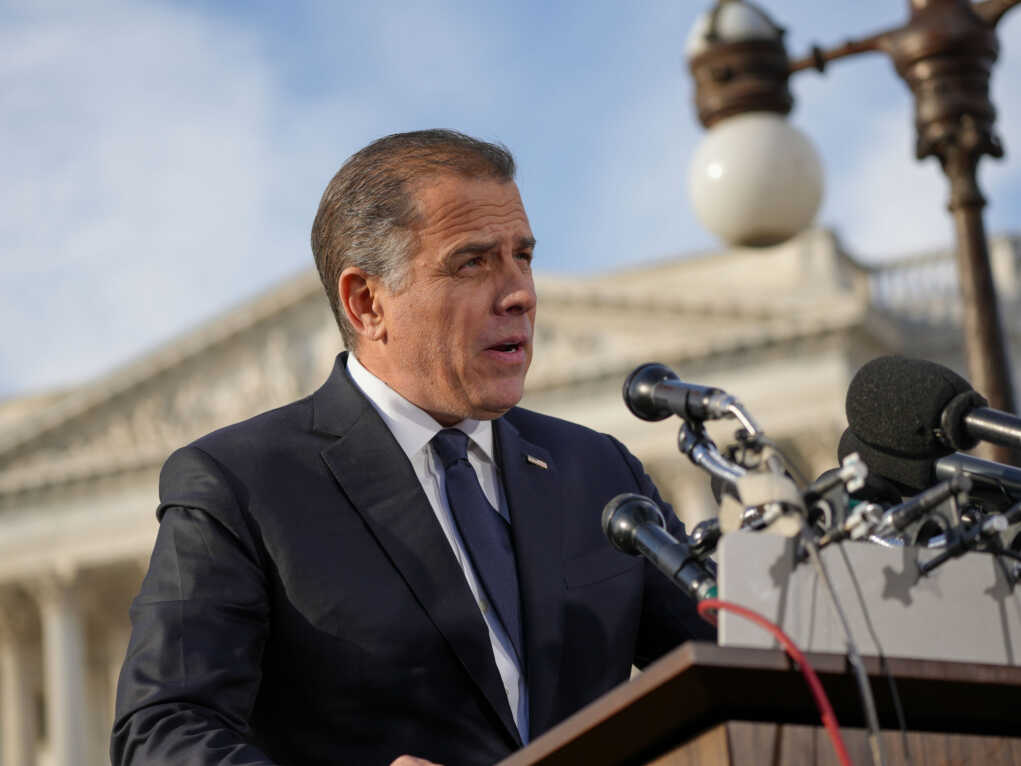
Hunter Biden now claims incriminating photos were faked—despite independent forensic reviewers finding no evidence of tampering in a key dataset.
Story Highlights
- Hunter Biden asserts images tied to the “laptop” saga were fabricated, renewing a six-year dispute over authenticity and chain of custody [2].
- CBS News reported independent forensic examiners found no evidence of tampering in a reviewed data copy linked to Hunter Biden [3].
- The materials first surfaced publicly via political intermediaries, fueling skepticism and a media-trust fight that persists [1][2].
- Ongoing Delaware litigation involving the repair shop owner underscores unresolved provenance issues without disproving authenticated files [4].
Hunter Biden’s New Pushback And The Ongoing Authenticity Fight
Hunter Biden’s latest assertion that photos and materials tied to his “laptop” were fabricated lands in a politically scarred debate where chain of custody and media narratives have overshadowed technical facts [2]. Public awareness of the cache began through a contentious path from a Delaware computer shop to political operatives, including associates of former New York Mayor Rudy Giuliani, rather than a neutral forensic release [1][2]. That path seeded doubts and created the perfect opening for conflicting claims, legal maneuvering, and years of public confusion.
CBS News reported that independent examiners from Computer Forensics Services reviewed a data copy associated with Hunter Biden and “found no evidence that the user data had been modified, fabricated or tampered with,” and identified no new file creation after April 2019 in that dataset [3]. That specific forensic conclusion does not authenticate every file ever circulated online, but it undercuts blanket claims that the materials are wholesale fabrications. It also distinguishes technical findings from political spin surrounding the cache.
Chain Of Custody Questions Versus Forensic Findings
The materials’ route—from repair shop possession to political figures—remains central to distrust, particularly because the first public disclosures arrived amid a heated election cycle and partisan incentives [1][2]. That history amplifies questions about what was copied, when it was handled, and by whom. Yet a recurring pattern in digital controversies shows that while provenance fights persist, later examinations often validate at least substantial portions of underlying data, shifting the dispute from “all fake” to “what, precisely, is authentic” [2][3]. Hunter Biden’s blanket fabrication claim must be weighed against those concrete forensic outcomes.
Delaware court filings tied to John Paul Mac Isaac, the repair shop owner, show litigation and appeals that keep provenance and defamation questions alive but do not themselves negate the verified elements identified by independent reviewers [4]. Legal fights can clarify responsibilities and reputations without answering every technical question. For readers seeking clarity, the practical takeaway is that courts address claims and damages, while forensic labs test data integrity. These tracks often move in parallel, which is why sweeping claims of fabrication remain unproven when pitted against verified datasets [3][4].
Media Accountability, Election Narratives, And What Conservatives Should Watch
The initial coverage and subsequent suppression-versus-amplification battles hardened partisan memories long before thorough technical analysis reached the public square [2]. That dynamic eroded trust and left millions skeptical of gatekeepers who framed the story as disinformation during a critical political window. Conservatives should monitor two things: first, whether additional independent reviews corroborate the tamper-free findings in the CBS News–reported analysis; second, whether media institutions now update coverage to reflect those technical results with the same prominence as early skepticism [2][3].
For a movement grounded in the Constitution and equal justice, the standard should be consistent rules: verify before censoring, disclose conflicts of interest, and separate political advocacy from factual reporting. If additional forensics confirm authenticity, then efforts that dismissed or throttled coverage deserve scrutiny and reform. If narrow subsets of files are proven altered, then responsible outlets should specify what, where, and how—without smearing every authenticated item. Precision protects truth; blanket claims protect narratives. Voters deserve facts supported by verifiable evidence [2][3][4].
Sources:
[1] YouTube – Hunter Biden Says His Photos Were Faked 🤯
[2] Web – Hunter Biden Laptop Claims: 5 Fast Facts You Need to Know
[4] Web – Copy of what’s believed to be Hunter Biden’s laptop data turned over …