

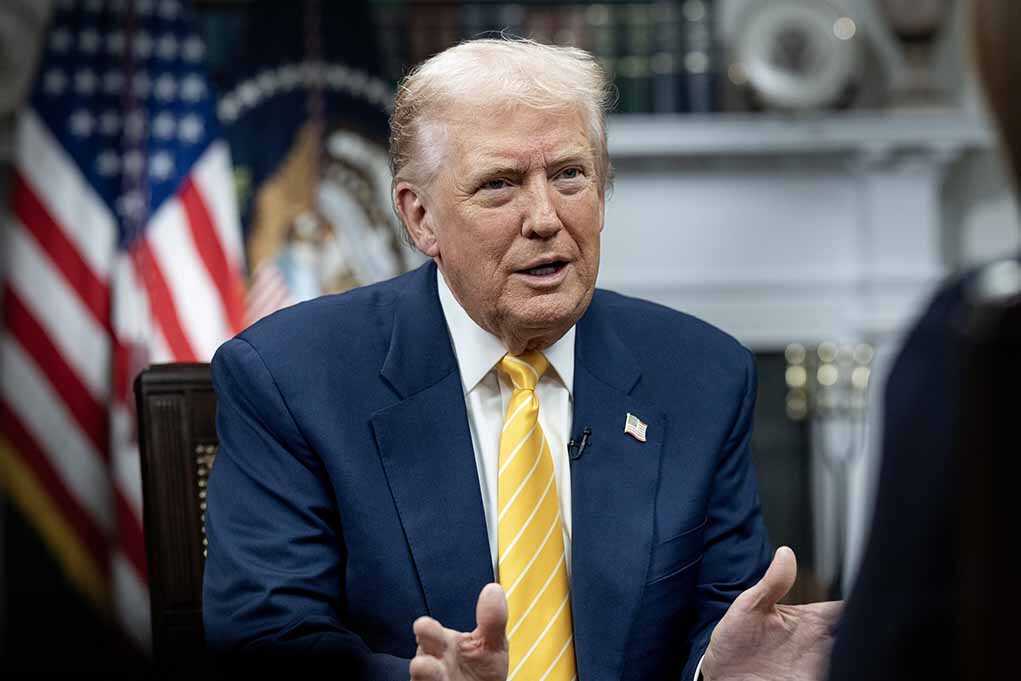
President Trump vowed to back legislation to shut down the paid “pardon-broker” hustle that sells access to freedom for cash.
Story Highlights
- Trump called paid pardon consulting “a terrible business” and endorsed new legislation to curb it.
- Televised recordings showed brokers pitching six-figure fees tied to claimed influence with the president.
- Rapper Boosie Badazz said he paid $600,000 for a promised pardon that never came, sparking public anger.
- Advocates say they are lawful lobbyists, not selling pardons, setting up a coming policy fight.
Trump Endorses Crackdown After Public Outcry
President Trump said on November 24 that paid pardon consulting is “a terrible business” and that he supports legislation to stop it. He said people should not profit just for making a phone call and signaled the White House is reviewing options with Congress. His comments followed weeks of reports on high-dollar pitches tied to claimed access. The president’s stance draws a sharp line: clemency is a constitutional duty, not a commodity for fixers or insiders to monetize.
CBS News documented a broker meeting at a Virginia hotel where operatives discussed big fees to “put pressure on the president” for pardons. Hidden-camera footage showed concrete price talk and boasts about influence. The pitch matched a pattern described by several applicants and families. The taped sales job inflamed public concern that justice was becoming a “who you know” marketplace. That concern fueled calls for Congress to police paid influence around clemency requests.
Alleged Six-Figure Deals Stir Anger and Lawsuits
Boosie Badazz told “60 Minutes” he paid $600,000 to two operatives who said they could secure a Trump pardon, which never arrived. The claim echoed other reports that deep-pocketed clients faced steep prices with no guarantees. These accounts sparked anger among families who cannot afford lobbyists. The stories also raised red flags for fraud. If promises of access drove payments, that could cross legal lines. Trump’s push for legislation aims to draw those lines in plain language.
Lobbyists Jacob Wohl and Jack Burkman rejected the “pardon broker” label and said they provide advocacy, not access-for-sale. They argued clients may lawfully hire advocates to prepare and present petitions, and that help does not equal pay-to-play. Their defense underscores a policy gap. The Constitution grants broad clemency power to the president. The question is where legitimate representation ends and influence-peddling begins. Clear rules would protect both the public and honest advocates.
What Legislation Could Do Without Touching the Constitution
Congress cannot limit the president’s core pardon power. Congress can, however, regulate profiteering and deception around it. Lawmakers could require written contracts with plain disclaimers, ban contingency or success fees, and mandate disclosure of paid contacts with the White House. Congress could also impose strict penalties for misrepresenting access or outcomes. Those steps would not curb the pardon power. They would curb the sale of perceived influence and deter fraud.
Past controversies show why clarity matters. A House report on the Clinton-era pardons detailed relatives and associates lobbying for clemency, raising conflict concerns and public mistrust. That episode did not yield a broad ban, but it proved the risk spans parties and decades. Sunshine rules, tough penalties for false claims, and bans on bounties can protect the integrity of the process. They also defend equal justice, so everyday Americans are not squeezed out by insiders with rich clients.
Guardrails That Respect Fairness and Family Values
The White House can act now even as Congress drafts a bill. The administration can publish a standardized process for petitions, direct staff to reject any contact tied to paid success fees, and refer suspected schemes to the Department of Justice. Clear lanes restore trust. Families deserve to know merit, remorse, and rehabilitation drive outcomes, not checkbooks. That reflects core conservative values: honesty, equal treatment under law, and limited government that refuses to feed cottage industries of influence.
Trump’s message also answers a media narrative that chaos rules clemency. By backing concrete rules and enforcement, the administration can slam the door on grifters. Honest legal help will remain welcome. But no one should profit by implying they can whisper the right name or deliver a pardon for a price. That kind of shadow market insults victims, mocks the law, and breeds cynicism. Cleaning it up is not partisan. It is common sense that keeps the president’s mercy a public trust, not a private hustle.
Sources:
nypost.com, cbsnews.com, faithfulherald.com, dnyuz.com