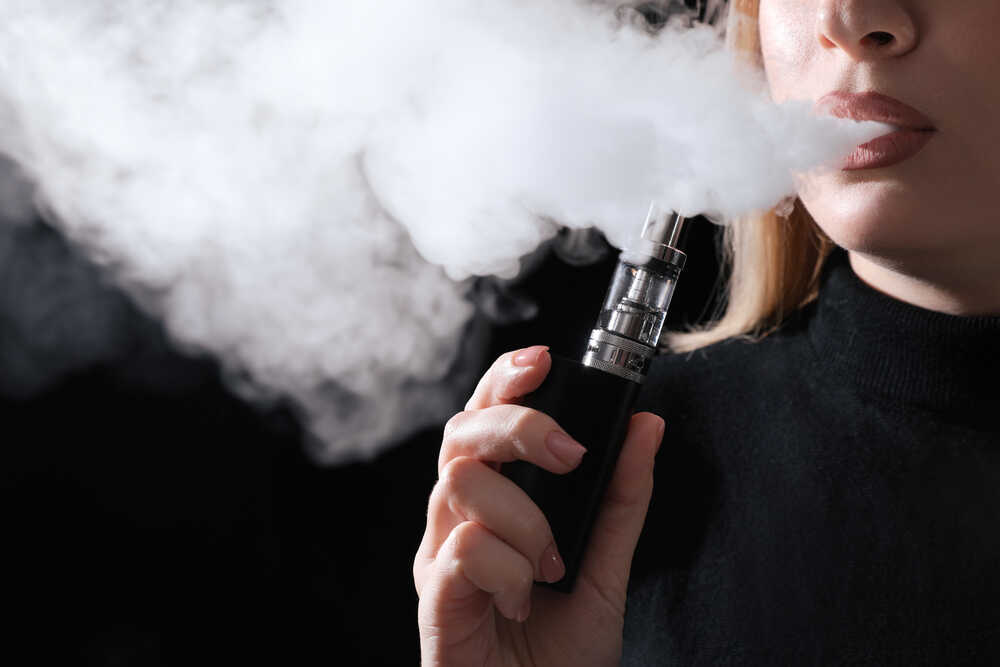
A passenger’s clandestine vaping in an aircraft lavatory triggered an in‑flight confrontation and heightened concern about cabin air quality.
At a Glance
- A U.S. passenger reportedly used a vape device inside an airplane lavatory during a domestic flight.
- Cabin crew intervened after smoke was detected and asked the passenger to stop.
- The passenger reportedly reacted aggressively, shouting “Don’t touch me,” and refusing crew instructions.
- Other passengers expressed discomfort and concern during the disruption.
- The incident raised questions about enforcement of no‑smoking/vaping rules onboard.
Incident Description
On a recent American Airlines domestic flight, a passenger is believed to have used an electronic vaping device inside the aircraft lavatory. Cabin personnel responded once smoke or vapor was detected. Videos circulating on social media purportedly capture the moment when crew members confronted the passenger, who responded by exclaiming “don’t touch me” and defying orders to stop vaping.
Watch now: Passenger Has Outburst Over Vaping · Hindustan Times
Witnesses report the passenger proceeded to leave the lavatory and enter the aisle, continuing to vocalize frustration. Cabin crew then engaged to de‑escalate, prompting visible tension among nearby travelers. Concerns emerged about both air quality and passenger safety amid the altercation.
Policy and Regulations
Federal Aviation Administration (FAA) and airline policies strictly prohibit smoking and vaping aboard aircraft, including in lavatories. These rules are enforced via regulatory guidelines and can result in fines or criminal charges for violations. The confined cabin environment amplifies risks associated with vapor emissions, which may trigger smoke detectors and disrupt flight safety protocols. Airlines train crew on handling non‑compliance by passengers while maintaining safety and calm.
Broader Considerations
Incidents of vaping onboard remain relatively rare but can provoke strong reactions due to cabin design and ventilation constraints. They often lead to broader inquiries about enforcement consistency and passenger training. Advocates argue that clearer signage and pre‑flight briefings could reduce such incidents, while others suggest more stringent penalties may deter non‑compliance.
American Airlines has not issued a public statement about this specific flight as of August 6, 2025.