The Trump administration’s naval blockade of Iranian oil exports exposes a harsh reality: America’s vaunted energy dominance cannot instantly fill the global supply gap, leaving consumers vulnerable to price spikes while government officials tout quick fixes that industry experts flatly reject.
Story Highlights
- U.S. naval blockade strands 1.7 million barrels per day of Iranian oil exports, starting April 13, 2026, pressuring Tehran’s nuclear ambitions
- Interior Secretary Doug Burgum claims gas price spike is “temporary blip” as 6,000+ drilling permits approved, but oil executives refuse to add rigs
- Experts dismiss “drill baby drill” as fantasy fix: U.S. shale growth takes years, not weeks, with infrastructure and refining mismatches blocking quick relief
- Asian refineries scramble for alternatives as Gulf Coast export terminals hit capacity limits, exposing cracks in America’s energy security promises
Blockade Strands Iranian Oil, Tests Trump’s Energy Claims
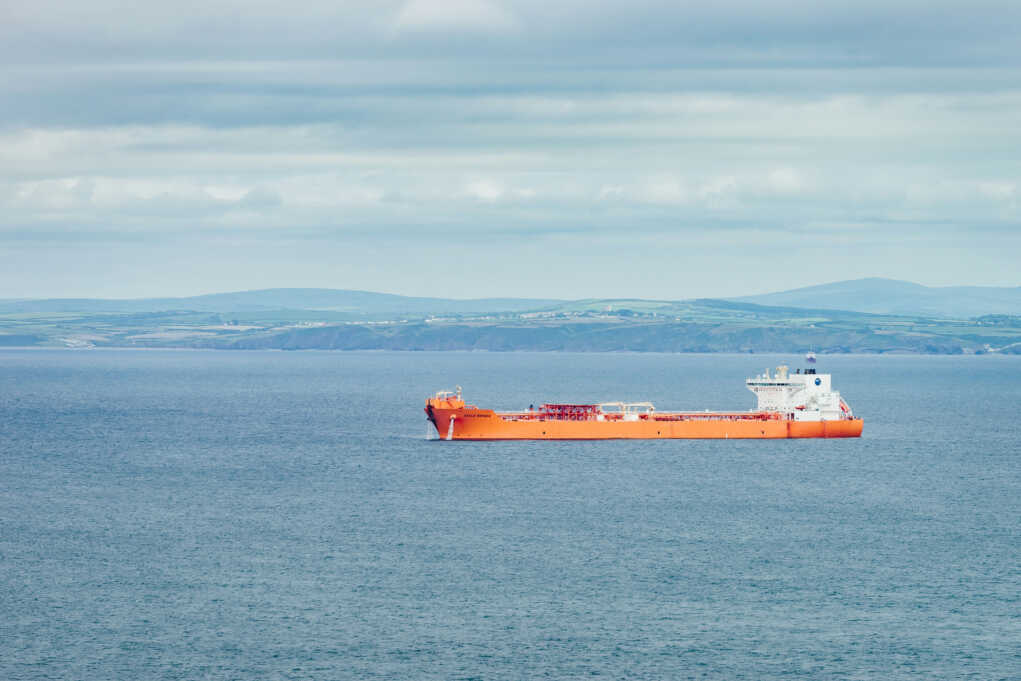
President Trump initiated a targeted naval blockade of Iranian oil shipments on April 13, 2026, aiming to force Tehran into a 20-year moratorium on nuclear enrichment and weapons development. The operation intercepts vessels and clears mines without shutting down the entire Strait of Hormuz, a strategic move designed to isolate Iran’s 1.7 million barrels per day of exports while minimizing disruption to global flows. Dozens of Iranian tankers now sit idle or reroute through costly alternatives, choking regime revenue that funds domestic subsidies and foreign operations. Iran has condemned the blockade but shows no effective countermeasures, leaving the regime economically squeezed as the two-week mark approaches.
Burgum Promises Quick Supply Fix, Industry Signals Skepticism
Interior Secretary and Energy Czar Doug Burgum insists the resulting gas price spike represents a “temporary blip,” pointing to over 6,000 approved drilling permits as proof that increased supply will soon stabilize markets. Burgum champions Trump’s “energy dominance” narrative, reversing Biden-era regulations that constrained shale development and positioning U.S. production at 13.7 million barrels per day as a buffer against Middle East chaos. Yet oil industry veterans like Scott Sheffield counter that producers will not add rigs due to depleted drilling inventories and uncertainty over war duration, predicting prices will fall quickly once the crisis ends rather than justify expensive expansions. This disconnect between government cheerleading and industry caution underscores a troubling pattern: officials prioritize political messaging over the hard realities of production economics, leaving Americans to wonder if their leaders truly grasp the limits of what can be achieved.
Shale Growth Incremental, Not Instant, Experts Warn
Brian C. Prest, a fellow at Resources for the Future, flatly states the U.S. shale boom required 15 years to reach current levels and cannot surge output for a weeks-long conflict, calling rapid production increases “unfeasible for global rebalancing.” America exports 3.5 to 5 million barrels per day, but Gulf Coast terminals operate near capacity, and Asian refineries depend on heavier Middle Eastern crude grades poorly matched to light U.S. shale. Infrastructure constraints and refining mismatches mean even robust U.S. output cannot seamlessly replace Iranian barrels, forcing Asian and European buyers to scramble for alternatives at elevated costs. This exposes the limits of “drill baby drill” slogans when complex supply chains, long-term investments, and geographic mismatches define global energy markets, not just domestic production totals.
Elites Promise Solutions While Ordinary Americans Foot the Bill
The divergence between Burgum’s optimistic forecasts and expert skepticism reflects a broader frustration shared across the political spectrum: government officials appear more focused on defending policies than confronting inconvenient truths. Conservatives value energy independence as a pillar of national security and economic strength, yet the blockade crisis reveals that independence does not equal instant flexibility to offset foreign disruptions. Liberals worry rising fuel costs disproportionately harm working families already struggling with inflation, while the administration’s drilling push ignores renewable transitions they view as essential. Both sides increasingly suspect the so-called elites in Washington peddle narratives designed to preserve power and deflect accountability, rather than leveling with citizens about the time, investment, and trade-offs required to navigate complex geopolitical crises. Whether Trump’s blockade ultimately forces Iranian concessions or drags into a prolonged standoff, the gap between political promises and economic reality leaves ordinary Americans bearing the costs of decisions made by leaders who seem insulated from the consequences.
Sources:
America Can’t ‘Drill Baby Drill’ Out of the Iran Crisis – 19FortyFive
Trump Energy Czar Says Iran Conflict Gas Spike Temporary Blip, Drilling Push Ramps Up – Fox News