
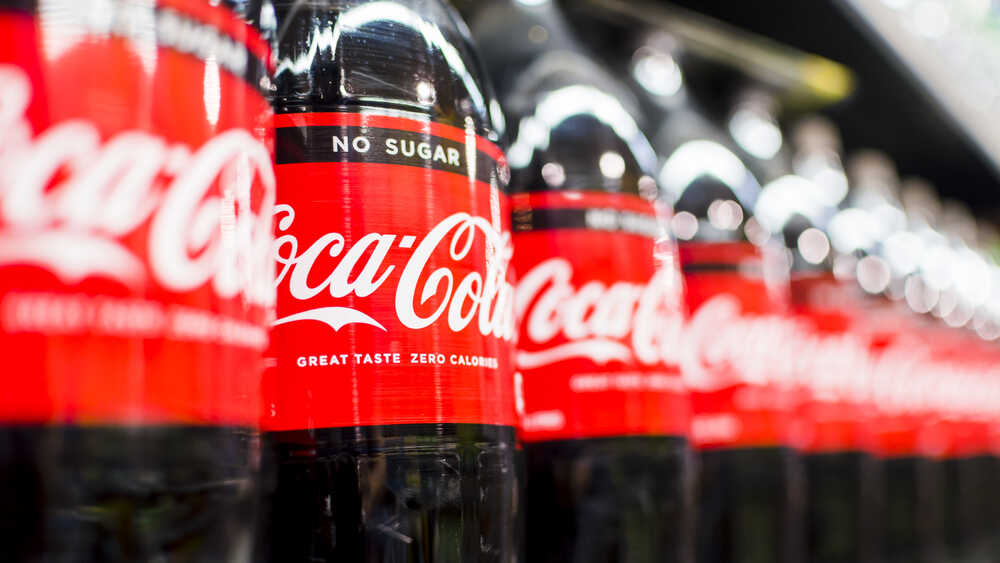
In a surprising proclamation, President Trump claimed that Coca-Cola will swap out high-fructose corn syrup for cane sugar in its U.S. lineup, yet the beverage giant has neither confirmed nor denied any such formula change.
At a Glance
- On July 16, 2025, President Trump announced Coca-Cola’s purported switch from HFCS to cane sugar in U.S. products.
- Coca-Cola has declined to verify the claim, instead thanking the President for his enthusiasm and hinting at “future innovations.”
- Corn growers fear a drop in demand and revenue if the transition proceeds.
- Cane sugar producers in states like Louisiana and Florida anticipate a boost in sales and prices.
- Industry analysts doubt a full-scale reformulation is practical given supply-chain complexity.
Trump’s Bold Proclamation
Taking to social media, President Trump declared that Coca-Cola had “agreed” to replace HFCS with cane sugar across its U.S. beverage portfolio. He hailed the move as a win for consumer health and product quality. In response, Coca-Cola offered only a cursory thank-you and a tease about “innovative offerings ahead,” without addressing whether any real change is on the horizon.
Economic and Political Stakes
As the top corn producer globally, the U.S. relies heavily on HFCS production—making this potential shift a substantial threat to corn farmers’ livelihoods. Trump’s declaration, whether political theater or policy push, stokes fears of shrinking markets and depressed corn prices.
Watch a report: “Trump says Coca-Cola will use real cane sugar in U.S. products” on YouTube
Conversely, cane sugar growers stand to gain from increased demand, projecting higher revenues and farmgate prices if Coca-Cola follows through.
Consumer Preferences and Practical Challenges
The HFCS versus cane sugar debate has simmered for years, with many consumers preferring cane sugar as a “natural” sweetener. Yet nutrition experts note that metabolically the two are nearly identical. For Coca-Cola, a complete overhaul would entail reconfiguring massive supply chains and production processes—an undertaking both costly and logistically daunting. Market watchers suggest the company may instead test the waters with limited-edition cane sugar variants, preserving the status quo while gauging consumer appetite.