
For the first time in its 100-year history, New York postponed the Macy’s Thanksgiving Day Parade to Saturday because dangerous winds and heavy rain threatened safety.
Story Highlights
- City officials, Macy’s, and NBC jointly postponed the parade to protect participants and spectators.
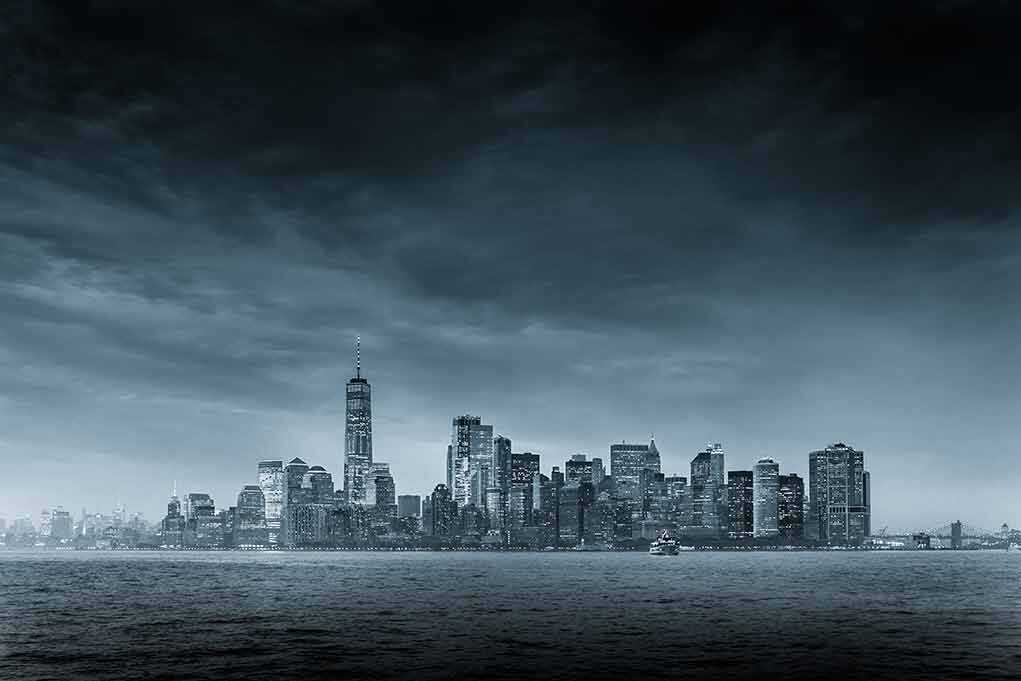
- Forecasts called for strong winds, heavy rain, and coastal flooding across New York City.
- High winds posed special risks to the parade’s giant balloons, with reported gusts over 34 mph.
- The parade will air Saturday at 8:30 a.m. Eastern instead of Thanksgiving morning.
Safety Decision Led By City, Macy’s, And NBC
City leaders, Macy’s, and NBC issued a joint statement moving the parade to Saturday morning. Organizers said safety for marchers and families along the route was the top concern. Macy’s said it made the call after close talks with city and agency partners. The decision kept the event on the calendar while avoiding the storm’s peak. Officials framed the move as a temporary shift, not a cancellation, with Saturday set for a broadcast start at 8:30 a.m. Eastern.
Published reporting states this was the first weather postponement in the parade’s century-long run. That makes the change notable in a tradition many families hold dear. The Associated Press and NBC highlighted how rare this step was compared to past years. Organizers have worked through tough weather before, but this time the storm track and expected wind speeds crossed a red line. The historic nature underscores how seriously officials judged the risk.
Weather Threat: Winds, Rain, And Flooding Risks
The National Weather Service forecast heavy rain, strong winds, and coastal flooding across the region. Storm impacts were expected to align with parade hours, when crowds pack narrow streets. Reuters cited projected winds over 23 miles per hour with gusts topping 34 miles per hour, conditions that can turn giant balloons into hazards. Rain and ponding on roads can also strain police, medical teams, and traffic control during a major live event.
New York City’s balloon safety rules emerged after past wind incidents. Multiple outlets report that large balloons are not allowed to fly when sustained winds pass roughly 23 miles per hour or when gusts exceed about 34 miles per hour. Those thresholds reflect years of experience and are meant to prevent balloons from drifting into street lights or the crowd. Organizers have grounded or lowered balloons in past storms to keep people safe.
Why Saturday Preserves The Tradition
Moving the parade to Saturday protects people while keeping the celebration intact. Macy’s and NBC said the broadcast would air Saturday morning, maintaining the big-moment feel even if the date shifted. Families who plan around the spectacle can still watch bands, floats, and performers. Officials chose a simple fix many event planners use: wait out the storm, then roll. That path avoids the worst weather without scrapping a cherished American tradition.
NEW YORK (AP) — The Macy’s Thanksgiving Day Parade has been postponed to Saturday as powerful winds are expected to bear down on New York during the annual event, NBC said Wednesday. In a statement, NBC said the parade would now be held on S… https://t.co/yn4Pbz0aY8
— Capital Gazette (@capgaznews) November 25, 2026
Past weather did not always stop the show. In 1971, high winds and rain grounded every balloon, but the rest of the parade still moved forward. In other tough years, crews lowered balloons and added controls to reduce risk. This time, forecasts suggested conditions that would likely cross the city’s wind guardrails for much of the event window. The unprecedented postponement reflects a careful, tiered approach to safety that starts with people first, then preserves the event when possible.
What This Means For Viewers And The City
Viewers should expect a full show on Saturday morning and plan travel with the new schedule in mind. Police and emergency teams will reset street closures and staffing for the weekend. Local shops and diners near the route will shift to Saturday foot traffic. The short delay helps first responders work in safer weather and reduces the chance of wind-driven accidents. The call respects both public safety and the value of an iconic holiday tradition.
Sources:
youtube.com, apnews.com, nbcnews.com, retaildive.com