A federal judge ruled that yanking an Israeli flag tied around a Jewish woman’s neck can count as racially motivated battery, and the civil-rights suit will go forward.
Story Highlights
- A Washington, D.C., federal judge let a civil-rights case proceed over an alleged choking with an Israeli flag.
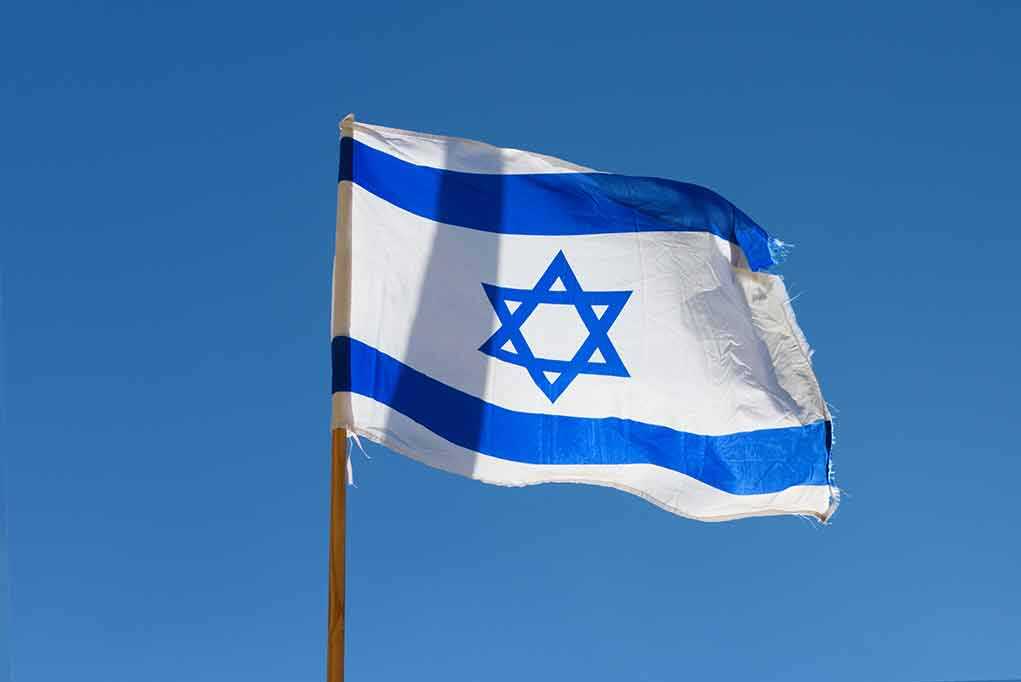
- The court tied the Star of David on the flag to Jewish identity, supporting a race-based claim.
- A Capitol Police witness supported the account, and a stay-away order followed earlier in the case.
- Advocates for the defendant argue the act was political protest, not racial discrimination.
Judge Advances Civil-Rights Case After Alleged Choking Incident
A United States district judge in Washington, D.C., allowed Kimmara Sumrall’s civil-rights lawsuit against Janine Ali to proceed. The case stems from a protest inside the Dirksen Senate Office Building in 2024. Sumrall says Ali grabbed an Israeli flag Sumrall had tied around her neck, yanked it, and briefly choked her. The docket shows the court granted preliminary relief, a key sign the claims are plausible and supported enough to be heard on the merits.
Earlier reporting on the injunction stage said the court found that Ali likely committed battery, citing a United States Capitol Police officer’s testimony. The judge also ordered Ali to stay three yards away and avoid any contact with Sumrall during the case. That order underscored the court’s concern about repeated contact while the dispute proceeds. These steps do not decide the final outcome, but they carry weight in civil litigation.
Star of David Finding Links Flag To Jewish Identity Under Law
Coverage of the rulings says the court tied the Star of David on the Israeli flag to Jewish identity, supporting a claim of racial discrimination if the contact targeted that symbol. The judge’s reasoning said the symbol on the flag represents Jewish people, and that using force against it during a confrontation can show bias. That view moves the dispute away from pure speech and into conduct that civil-rights laws address when identity is the reason for the attack.
This matters because the suit invokes a Reconstruction-era civil-rights statute. That law bars discrimination in making and enforcing contracts and in other covered interactions. The court’s early analysis said the complaint plausibly alleges intent tied to race, based on the act of yanking the flag worn by a Jewish woman during a protest. That framing supports treating the incident as more than heated debate. It treats the force as the problem, not the views themselves.
Speech Rights Do Not Excuse Force, But Debate Continues
Advocates for Ali argue the Israeli flag is a political symbol and say her actions were political expression, not racial discrimination. They claim the First Amendment shields protest over state symbols unless there is proof of bias. The group backing Ali says the court ignored a prior criminal acquittal and accepted Sumrall’s version of events. That stance sets up a sharp legal divide between protected speech and unlawful contact.
American law protects protest speech, even sharp and unpopular speech. It does not protect battery, threats, or choking someone, even in a protest. The court’s early rulings apply that basic rule. They treat the grab-and-yank as force and view the Star of David as evidence of motive. The case now moves into discovery, where both sides can seek videos, police reports, and sworn testimony to test motive, intent, and the level of force. Final liability is still to be decided.
Why This Ruling Matters For Safety, Faith, And Equal Treatment
Patriots want protests to stay peaceful and lawful. This case says that when force targets a person for who they are, civil-rights law stands guard. The court recognized that grabbing a flag bearing the Star of David from a Jewish woman’s neck crosses a line. That respects both free speech and public safety. It makes clear that political anger does not excuse violence that singles out a faith community in public spaces.
Many readers worry that activist groups hide aggression behind slogans. This ruling signals that courts will not look away when protest turns into personal harm. It also shows the system can protect minorities without gagging speech. President Trump’s administration stresses law and order. Federal courts are doing their part too, by drawing a bright line: speak all you want, but do not lay hands on someone or their religious symbol and call it “debate”.
Sources:
reason.com, jpost.com, blogs.timesofisrael.com, combatantisemitism.org, adc.org, reddit.com