
Putin paused strikes on Kyiv for 72 hours as U.S. envoys met in Moscow, marking a rare opening for talks while the guns quieted.
Story Highlights
- Russia halted strikes on Kyiv for three days tied to U.S. envoy talks.
- President Trump earlier brokered a separate three-day ceasefire and prisoner swap window in May.
- Putin met U.S. envoys Steve Witkoff and Jared Kushner for hours at the Kremlin.
- Ukraine and Russia have traded claims of violations in past ceasefires, keeping trust fragile.
Kremlin Pause Linked to U.S. Diplomatic Push
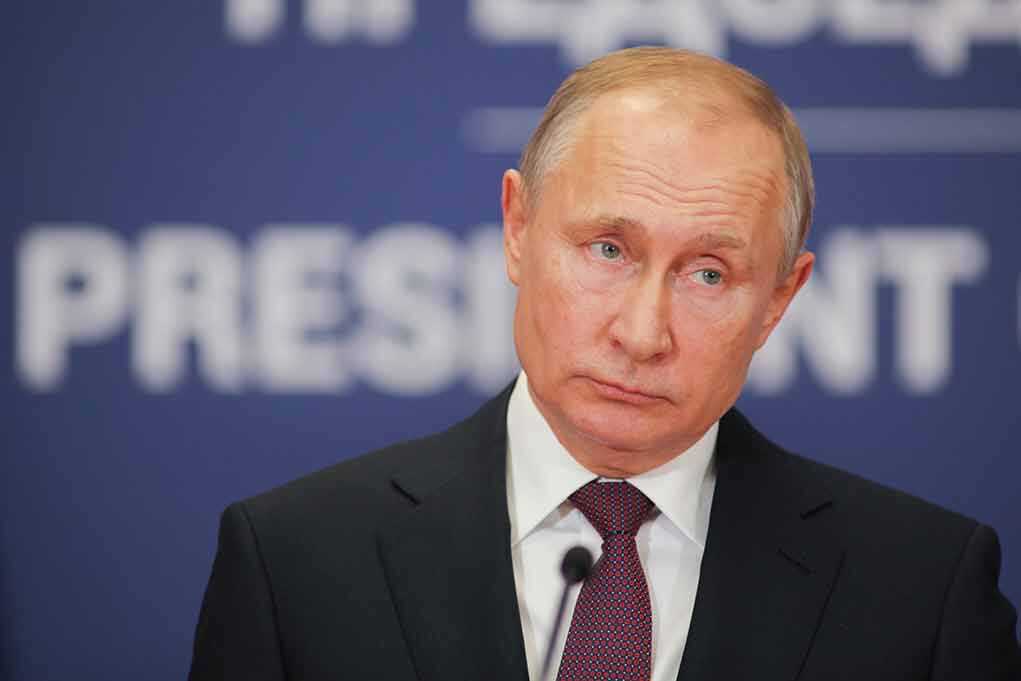
Kremlin spokesperson Dmitry Peskov said President Vladimir Putin ordered no strikes on Kyiv for three days starting at midnight, linking the pause to meetings with American negotiators. Reporting tied the decision to talks in Moscow involving U.S. envoys Steve Witkoff and Jared Kushner, who are set to shuttle between capitals. Time-limited pauses can create space to test messages and reduce immediate harm to civilians, even if they do not settle core issues.
Russian President Vladimir Putin met Witkoff and Kushner inside the Kremlin for more than three hours, according to major wire coverage. The sit-down aimed to probe paths to end the war and to set conditions for further talks. The engagement itself matters because face-to-face contact can lower the risk of misread signals and can clear narrow lanes for follow-on steps, even when big gaps remain on territory and security guarantees.
Trump’s Earlier Ceasefire Window and What It Showed
In May, President Trump announced Russia and Ukraine agreed to a three-day ceasefire and a major prisoner exchange window. Multiple outlets reported both sides accepted the pause from May 9 to May 11, giving families a brief break from constant alarms and opening space for swaps. That short window showed Washington could still move the needle in Europe when it used leverage and clear goals at the right time.
That May ceasefire also showed the limits of trust. Ukrainian leaders and Russian officials traded claims of violations during the pause, and fighting in some areas did not fully stop. A major wire service said the U.S.-mediated ceasefire came under strain by the second day, with both sides accusing the other of attacks. Short pauses can help, but without written terms and enforcement, old habits tend to snap back fast.
What the New 72-Hour Kyiv Pause Means Now
The new three-day halt on strikes against Kyiv marks a practical, verifiable step: fewer missiles over a major city while talks occur. That is not a final deal, but it reduces risk to civilians and shows there is at least a channel to manage escalation around capitals. Even a narrow pause can build proof of concept for longer measures if both sides stick to it while envoys test next steps in Moscow and Kyiv.
Ukraine-Russia war: Putin meets Trump envoys as three-day truce begins
https://t.co/fusRPbjsaZ— Fritz Mag (@fritzmagazin) September 7, 2026
Skepticism remains because past pauses have failed to become durable truces. Analysts and leaders have warned that temporary halts can be tactical, buying time without changing aims. That history argues for clear verification, tight timelines, and concrete deliverables, such as prisoner releases or humanitarian corridors, before expanding the scope. The Trump administration’s push now must lock in trackable gains and avoid vague promises that fade when the headlines do.
Sources:
independent.co.uk, npr.org, moneycontrol.com, bloomberg.com, cnbc.com, reuters.com, newsukraine.rbc.ua