
A wave of intensifying protests in Iran has prompted a high-stakes response from the Trump administration, which is now actively considering military intervention alongside diplomatic pressure. As the Iranian regime violently suppresses dissent, President Trump has warned that “all options are on the table,” raising global concerns about a potential escalation of U.S.-Iran tensions and regional instability. The administration is navigating a thin line, prioritizing human rights and U.S. interests while seeking to uphold diplomacy first.
Story Overview
- President Trump signals ‘all options on the table’ in response to Iranian protests.
- Military intervention is considered, but diplomacy remains a priority.
- Iranian regime cracks down on protests, prompting U.S. warnings.
- U.S.-Iran tensions escalate amidst geopolitical complexities.
Trump Considers All Options Amid Iranian Protests
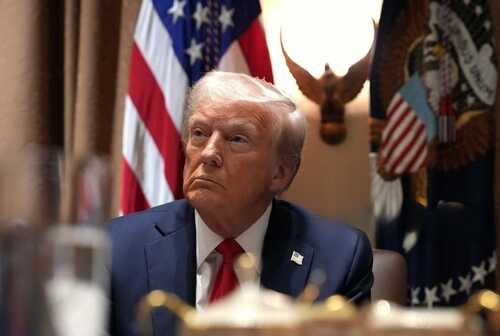
As protests intensify in Iran, President Trump has warned the regime is in “big trouble” if it continues to suppress dissent violently. The White House is actively evaluating a range of responses, from economic sanctions to potential military strikes. This marks a significant moment as the U.S. administration seeks to uphold international human rights while protecting its interests in the Middle East.
Trump’s national security team gathered to discuss these options, emphasizing the importance of diplomacy yet preparing for potential military intervention if necessary. The Iranian regime, however, remains defiant, with officials threatening retaliation against U.S. interests in the region. This complex situation unfolds as the world watches how the U.S. navigates the thin line between intervention and diplomacy.
White House: Trump Has All Options on Table Regarding Iran https://t.co/ZIBf2hb3H6 via @BreitbartNews
— Elena (@helen44767171) January 13, 2026
The Role of U.S. Diplomacy and Military Readiness
Despite the military options on the table, the Trump administration reiterates its commitment to diplomacy first. This approach aligns with the President’s previous strategies, leveraging economic and political pressure to instigate change without full-scale military intervention. The ongoing protests in Iran, fueled by economic grievances, have provided a unique opportunity for the Trump administration to apply pressure without engaging in direct conflict.
High-level negotiations between U.S. and Iranian officials continue, with Special Envoy Steve Witkoff playing a pivotal role. This diplomatic channel remains open, highlighting the administration’s preference for dialogue over confrontation. However, the presence of U.S. troops in the region underscores the seriousness of the situation and the readiness to act if required.
Implications for U.S.-Iran Relations and Regional Stability
The potential for military action against Iran raises significant concerns about regional stability and the safety of U.S. allies. The Iranian government’s crackdown on protesters not only threatens its citizens but also risks international condemnation and further isolation. For the Trump administration, balancing these factors with the need to protect U.S. interests and allies is paramount.
The situation remains fluid, with the Trump administration weighing the outcomes of various strategies. Any aggressive move could have ripple effects across the region, impacting global oil prices and security dynamics. The administration’s handling of this crisis will be closely scrutinized as it seeks to uphold conservative values of national security and global leadership.
Watch the report: Trump says US will ‘act accordingly’ on reported Iran killings | REUTERS
Sources:
Military options on table for Trump on Iran after warning of ‘big trouble’
Trump encourages Iranian protesters; rights group says 2,000 killed – The Washington Post.
Trump warns of ‘very strong action’ if Iran executes protesters – BBC News
How will Trump administration respond to violent protests in Iran?