

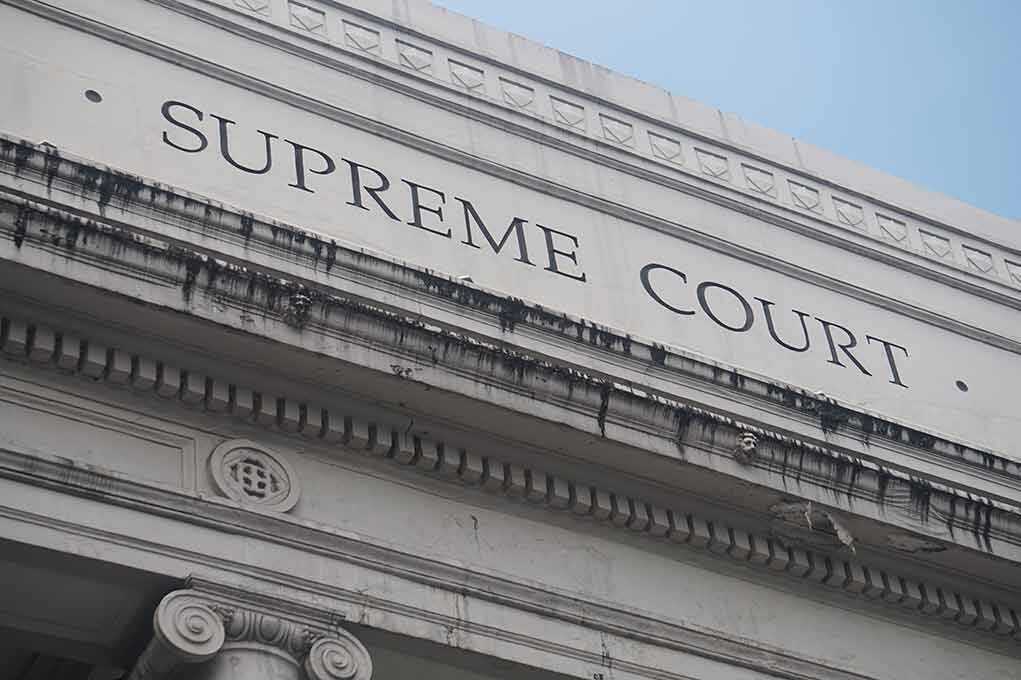
A razor-thin Senate window could decide whether conservatives keep the Supreme Court majority that protects the Constitution.
Story Highlights
- Justice Samuel Alito, 76, said he has thought about retiring but chose to stay for now.
- Reporters documented calls from some Republicans urging Alito to retire while the Senate remained in GOP hands.
- A post-election, lame-duck confirmation was discussed as a way to lock in a conservative successor.
- Alito said Senate control did not drive his decision, and no vacancy has occurred.
A Narrow Path Conservatives Considered To Secure The Court
Published reports explained a simple idea with big stakes. If a conservative justice stepped down after the election, while Republicans still held the Senate, President Trump could nominate a successor during the lame-duck session. CNBC outlined that a later Democratic Senate could make confirmation far harder or even impossible, which raised the urgency of the timing. This tactic aimed to preserve a constitutionalist majority that guards free speech, gun rights, and limits on federal power.
Justice Samuel Alito’s age and comments made the discussion real. At 76, Alito told CBS News he had thought about retiring and that a person his age weighs the question each term. He also said he believed he could still make a contribution, and he decided not to retire at that time. Those facts anchored public chatter about a possible strategic exit, yet underscored that the choice rests with the justice alone.
What Alito Said, And Why Pressure Rose In Public
CBS News reported that some Republicans urged Alito to step down while the Senate remained under GOP control, so President Trump could fill the seat quickly. The Hill added that Alito faced “pretty intense pressure” questions in the interview. Alito pushed back on the political angle. He said Senate control was not a factor in his decision and emphasized his ongoing service. That stance cooled expectations for an immediate vacancy and reminded observers that justices decide their own timelines.
The New York Times later reported that Alito would not retire immediately, even after the election results, which closed the door on a fast lame-duck move for now. Without a vacancy, there is no nomination, no hearing clock, and no floor vote to schedule. The strategic window remains a theory, not an active process. That does not change the core point that Senate control matters for confirmations, but it does mean there was nothing to advance this term.
Why Senate Control And Timing Matter For The Constitution
Senate makeup shapes the Court because the Constitution gives senators the power to advise and consent. CNBC reported that a Democratic Senate would make a Trump nominee harder or impossible to confirm, especially in a short window. That risk explained why some conservatives floated a lame-duck path if a seat opened. Supporters argue a firm constitutionalist majority blocks activist rulings, defends the Second Amendment, protects religious liberty, and keeps federal agencies from stretching laws beyond their text.
The record also shows limits. There was no retirement. There was no named nominee, no committee schedule, and no whip count to prove votes existed for a rush confirmation. Alito’s own words cut against political timing and stressed his duty to continue serving. Together, these facts keep the idea in the realm of contingency planning. If a vacancy arises later, the constitutional process is clear: the president nominates, the Senate holds hearings and votes, and the people judge the results at the ballot box.
Sources:
pjmedia.com, cbsnews.com, politico.com, nytimes.com