The Trump White House has moved to reshape the Smithsonian’s American history museums, demanding they stop pushing “woke” shame narratives and start celebrating American greatness instead.
Story Snapshot
- Trump’s executive order and follow-up letters direct a sweeping review of eight major Smithsonian museums for “improper ideology.”
- The administration says taxpayer-funded museums must stop pushing divisive, race-centered stories and return to honoring American exceptionalism.
- Smithsonian leaders and liberal allies frame the move as “political interference,” setting up a showdown over who controls our national story.
- This fight is part of a broader global clash over museums, history, and efforts to erase patriotic and traditional values.
Trump Moves to Take Back the Story of America
President Donald Trump signed an order called “Restoring Truth and Sanity to American History,” aimed directly at the Smithsonian Institution and other national museums. The order says elites have spent years twisting our history to make America look racist, oppressive, and broken instead of free and blessed. It warns that a “divisive, race-centered ideology” has taken hold in museum halls and teaches visitors to feel shame, not pride, in their country.
Following that order, the White House sent an August 12, 2025 letter to Smithsonian Secretary Lonnie Bunch III announcing a “comprehensive internal review” of selected museums and exhibits. The letter says the goal is to “celebrate American exceptionalism, remove divisive or partisan narratives, and restore confidence in our shared cultural institutions.” It tells museums to begin “content corrections” by replacing divisive or ideologically driven language with “unifying, historically accurate, and constructive descriptions” on wall text and digital displays.
Eight Flagship Museums Put Under the Microscope
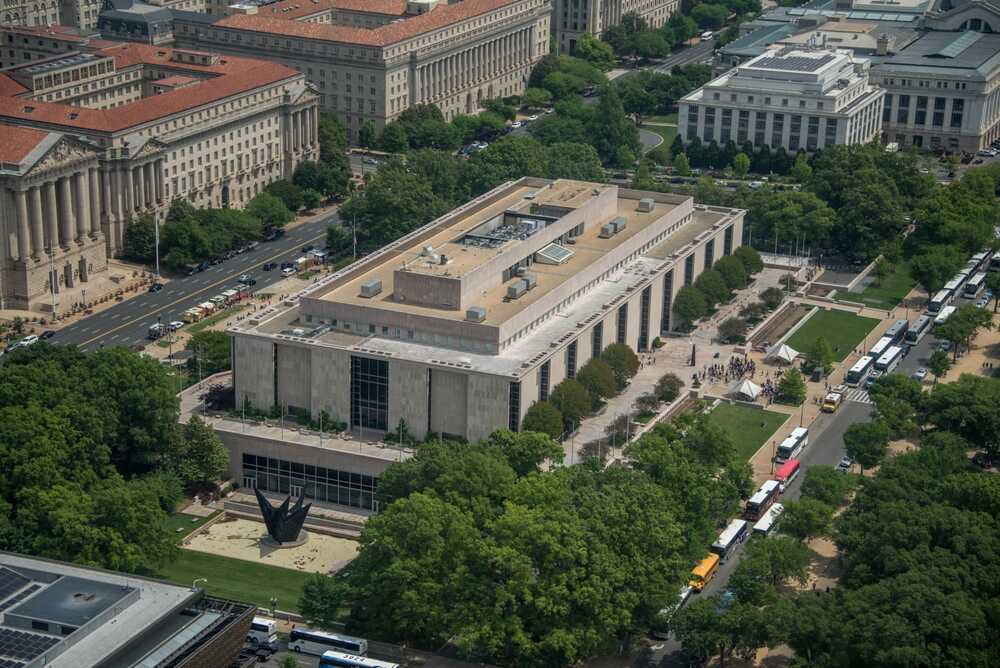
The Trump team is starting with eight of the Smithsonian’s best-known museums, including the National Museum of African American History and Culture, the National Museum of American History, the Air and Space Museum, the National Portrait Gallery, and others. Reviewers will look at exhibits, online materials, teaching guides, and even curatorial processes to see where “improper ideology” has replaced honest history. Within 120 days, those museums are expected to begin making changes that align content with American principles and a positive view of the nation.
The White House says this push is tied to the upcoming 250th anniversary of the Declaration of Independence. The administration argues that a milestone like “America 250” should highlight unity, progress, and enduring values, not constant focus on oppression narratives. Officials also stress that taxpayer dollars should not support content that divides Americans by race or trashes Western values as inherently harmful. For many conservative readers, that matches long-held concerns about museum exhibits that seem to preach activism instead of teaching balanced history.
Smithsonian Pushes Back, Allies Cry ‘Political Interference’
Smithsonian Secretary Lonnie Bunch III responded by publicly reaffirming the Institution’s independence and control over programming and content. He said the Smithsonian will conduct its own internal review and report those findings but will not hand over full editorial control to the White House. In public statements, the Institution insists its work is rooted in “scholarly integrity, thorough research, and the factual representation of history,” signaling resistance to direct political oversight.
Democratic senators and many academics rushed to defend the Smithsonian, accusing the administration of trying to “bully” the institution and change exhibits for political gain. The Organization of American Historians issued a statement expressing “deep concern and dismay” about the unprecedented review and warning it could chill honest scholarship. Media coverage from outlets like CNN, PBS, and The Hill has mostly cast the White House move as “overreach,” framing Trump’s effort to clean up museum narratives as censorship rather than accountability.
Battle Lines: Patriotic Oversight or Dangerous Censorship?
Supporters of the Trump policy say the federal government has both the right and the duty to oversee federally funded institutions. They argue that when museums lean into one-sided stories of oppression and grievance, they stop being neutral classrooms and become political tools. The executive order warns that such narratives recast America’s exceptional legacy of liberty and individual rights as something fundamentally racist and flawed. For many conservatives, that kind of messaging feeds the same “woke” worldview seen in schools, Hollywood, and corporate boardrooms.
Critics see a different picture. They claim the language about “improper ideology” is vague and aimed mainly at exhibits dealing with race, gender, and inequality. Commentators link Trump’s Smithsonian review to wider efforts to roll back diversity, equity, and inclusion programs and restrict books and curricula that discuss systemic racism. International observers note that political pressure on museums is growing worldwide, with governments in Europe also using funding and appointments to control how history is told. That global pattern raises real questions about how far any government should go when it comes to rewriting the past.
What’s at Stake for Everyday Americans
For regular citizens, this fight is not just about museum labels in Washington, D.C. It is about who gets to define what America is and what our children learn to respect. The Trump administration says it is defending patriotic history and stopping taxpayer-funded institutions from undermining the nation that millions love. Museum leaders and their allies say they are defending professional independence and the hard truths of history, even when they are uncomfortable.
Conservatives who are tired of woke lectures see the review as long overdue. They want museums to tell the full story: the evil of slavery, yes, but also the courage of abolitionists, the sacrifice of soldiers, and the unmatched record of American freedom in the world. At the same time, watchdogs warn that if any White House can dictate exact interpretations, future presidents of any party could abuse that power. The coming months—especially as “content corrections” roll out—will show whether the Smithsonian bends, stands firm, or finds a middle ground between patriotic pride and honest, sometimes painful, truth.
Sources:
theatlantic.com, youtube.com, wsj.com, closeup.org, thehill.com, pbs.org, whitehouse.gov, nytimes.com, oah.org, theartnewspaper.com, museumsassociation.org, tandfonline.com