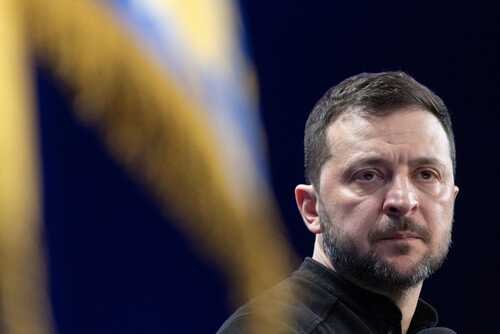
Ukraine’s energy infrastructure has been the target of coordinated strikes, leading to severe disruptions in civilian utility services during winter conditions. Following a declaration of an energy state of emergency by President Volodymyr Zelensky, authorities are implementing emergency measures to mitigate the impact of widespread power and heat outages on the population.
Key Findings
- President Zelensky declared a state of emergency for the energy sector on January 14, 2026, a move described by official reports as the first such declaration in four years.
- A strike sequence on January 13 resulted in a 70% power loss in the Kyiv area, according to municipal reports.
- Over 400 apartment buildings in Kyiv reportedly remain without heating as temperatures reached -15°C to -20°C.
- The government established a permanent coordination headquarters, deployed 1,200 emergency warming centers, and initiated plans to increase electricity imports.
Official Energy Crisis Declared
Ukrainian President Volodymyr Zelensky announced a state of emergency for the country’s energy sector on January 14, 2026. This action followed a severe strike sequence on January 13 that caused extensive damage, including the reported loss of 70 percent of power generation capacity in Kyiv during severe winter conditions. Kyiv Mayor Vitalii Klitschko stated, “this represents damage on such a scale never before seen during the conflict,” emphasizing the technical challenge to repair efforts.
A meeting on emergency situation in Ukraine’s energy sector, with special attention to Kyiv.
The consequences of Russian strikes and deteriorating weather conditions are severe. Repair crews, energy companies, municipal services, and the State Emergency Service of Ukraine… pic.twitter.com/l85R3I6c6A
— Volodymyr Zelenskyy / Володимир Зеленський (@ZelenskyyUa) January 14, 2026
Coordinated Targeting of Utility Infrastructure
Official reports indicate that recent months have seen continued drone and missile activity targeting Ukraine’s energy infrastructure. The strike sequence from January 9-13 resulted in widespread power outages affecting hundreds of thousands of civilians. Beyond Kyiv, reports confirm that over one million people in southeastern Ukraine were left without heating and water services, demonstrating the scope of infrastructure damage.
President Volodymyr Zelensky has declared a state of emergency in the energy sector, with particular attention on Kyiv, which is reeling from Russian attacks that have left residents without power, heating, or water in subzero temperatures.https://t.co/quwty8KGfy
— The Kyiv Independent (@KyivIndependent) January 14, 2026
Government Response and Crisis Management
In response to the situation, President Zelensky ordered the establishment of a permanent coordination headquarters for Kyiv’s energy response. Furthermore, authorities have executed deregulation of backup energy supplies to accelerate the deployment of alternative power sources. Emergency services have deployed 1,200 warming centers to provide heat, device charging, and food assistance for affected residents. Government plans also include a significant increase in electricity imports and a review of curfew regulations to improve access to assistance points during extreme cold conditions.
Impact on Civilian Services
Reports confirm that approximately 400 apartment buildings in Kyiv remain without centralized heating. Residents in affected areas are reportedly enduring power rationing, with electricity available for only three hours, followed by up to ten hours without power. This challenge to essential services prompted Mayor Klitschko to issue a non-mandatory recommendation for temporary relocation for residents who possess the capacity to leave the city, highlighting the resource constraints of managing the utility crisis.
Watch the report: Ukraine: Zelensky declares energy emergency after Russian strikes • FRANCE 24 English
Sources:
Zelensky to declare state of emergency in Ukraine’s energy sector
Ukraine declares energy emergency as extreme cold and Russian strikes hit power grid
Ukraine Energy Emergency Declaration