
Ukraine’s Operation Vivaldi used surprise and deception to retake key villages near Lyman, capturing hundreds of Russian troops and exposing gaps in Moscow’s lines.
Story Highlights
- Third Army Corps says it liberated multiple villages in the Lyman sector.
- Ukrainian commanders report 51 square kilometers retaken in phase three.
- Kyiv says the wider Lyman push reclaimed over 125 square kilometers by late September.
- Analysts say feints and tight info control helped deceive Russian forces.
Ukrainian Forces List Liberated Settlements And Ground Gained
The Third Army Corps said its third phase of Operation Vivaldi freed Nove, Ridkodub, and Katerynivka, and restored control over Karpivka and Novomykhailivka near Lyman. The corps published the list on its operation page with dates tied to late September and early October. Ukrainian officials framed these gains as part of a larger, phased plan in the Lyman sector. The corps’ release is the most direct public record of the settlements changed by the push.
Ukrainian commander Andriy Biletsky said the third phase returned about 51 square kilometers and led to more than 250 Russian prisoners. Multiple outlets carried his on-record figures the same week, giving the claim wide exposure. The figures came after several days of action tied to the third phase. The report of prisoners signals not only movement on a map but also damage to Russian combat power and unit cohesion in the sector.
Kyiv Cites Over 125 Square Kilometers Reclaimed Around Lyman
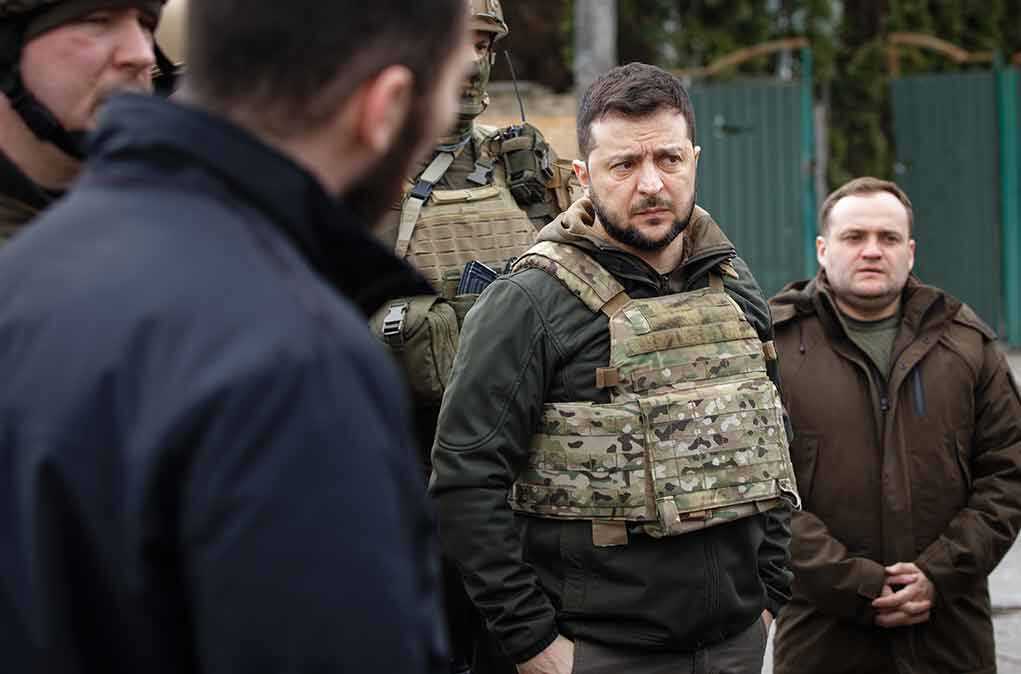
President Volodymyr Zelensky spoke at the front and said the Lyman operation had already regained more than 125 square kilometers by late September. His remarks, made during a visit with Operation Vivaldi troops, matched earlier updates that described phased advances. This total placed the Lyman sector among Ukraine’s most active fronts in that period. The presidential statement helped tie unit claims to a national-level picture of progress in Donetsk.
Reports from the same window named additional Ukrainian brigades and formations involved. These included the 66th Separate Mechanised Brigade and elements under the Third Army Corps. The named units and commanders created a clear chain of responsibility for the actions reported. That detail matters because it shows who planned, led, and executed the phases near Lyman. Clear unit attributions help readers follow the operation and weigh results against stated goals.
Deception, Drones, And A Tight Information Blackout Enabled Surprise
The Institute for the Study of War said Ukraine used a feint and deception plan that drew Russian forces off balance before the new phase. Analysts linked the gains to surprise created by strict operational security and counter-drone steps around Lyman. This approach limited Russian awareness and delayed outside visibility of the advance. The result was a strike that hit when Russian units were not ready to shift reserves or block the moves on targeted villages.
Russo-Ukrainian war, day 1679: Russia raises its war budget by 27% to a record as it looks to grow its war in 2027
Ukraine’s Vivaldi counteroffensive reaches Russian fortifications near Lyman without drone fire, Ukrainian crews down a Geran-5 jet drone at 425 km/h, Belgium sends…
— Alex 🇺🇸 (@A_L_E_X_V_E_G_A) September 30, 2026
Ukrainian sources said the corps kept a near-total information blackout during the push. That choice explained delayed public updates, but it also kept Russian planners guessing. Hromadske earlier reported this blackout approach and said it helped keep the plans safe until actions were done. The corps’ phased announcements then filled in the picture after the fact. This pattern fits a modern war reality where silence can be a weapon on its own.
Why This Matters For U.S. Interests And Conservative Readers
Russian forces tried to press gains around Lyman to threaten key cities anchoring Ukraine’s east. Operation Vivaldi blunted that aim and forced Moscow to react. A stronger Ukraine means a weaker Kremlin war machine that targets free nations and fuels global chaos. Keeping pressure on Moscow helps deter wider conflict that could drag in American troops. Efficient wins with limited resources line up with conservative goals of smart strength and firm deterrence abroad.
The reported 51 square kilometers in phase three and more than 125 square kilometers overall show planning, grit, and clear goals. These are not sweeping promises; they are concrete ground restored and enemy troops captured. Some casualty totals vary across outlets, but the listed villages and official tallies anchor the core outcome. The facts point to a Russian command caught off guard and a Ukrainian force learning, adapting, and striking when it counts.
What Comes Next On The Lyman Axis
Ukrainian units will likely try to lock in these gains and shape the next phase. Logistics routes, counter-battery duels, and drone control will guide the pace. Russia will try to refill lines and harden the rim around the salient. The side that moves reserves faster and blinds the other’s eyes will set the tempo. For now, Operation Vivaldi shows that surprise, silence, and smart feints can still break a bigger army’s plan in the east.
The Lyman sector matters because it guards roads to larger cities and holds the flank of Ukraine’s defense belt. If Ukraine keeps this wedge steady, it limits Russia’s push toward Slovyansk and Kramatorsk. That protects families still living under fire and reduces the chance of a wider breach. It also signals to Moscow that costly attacks will meet steel and skill, not drift and doubt. That message supports peace through strength, the only path tyrants respect.
Sources:
feedpress.me, ab3.army, newsukraine.rbc.ua, militarnyi.com, unn.ua, euromaidanpress.com