

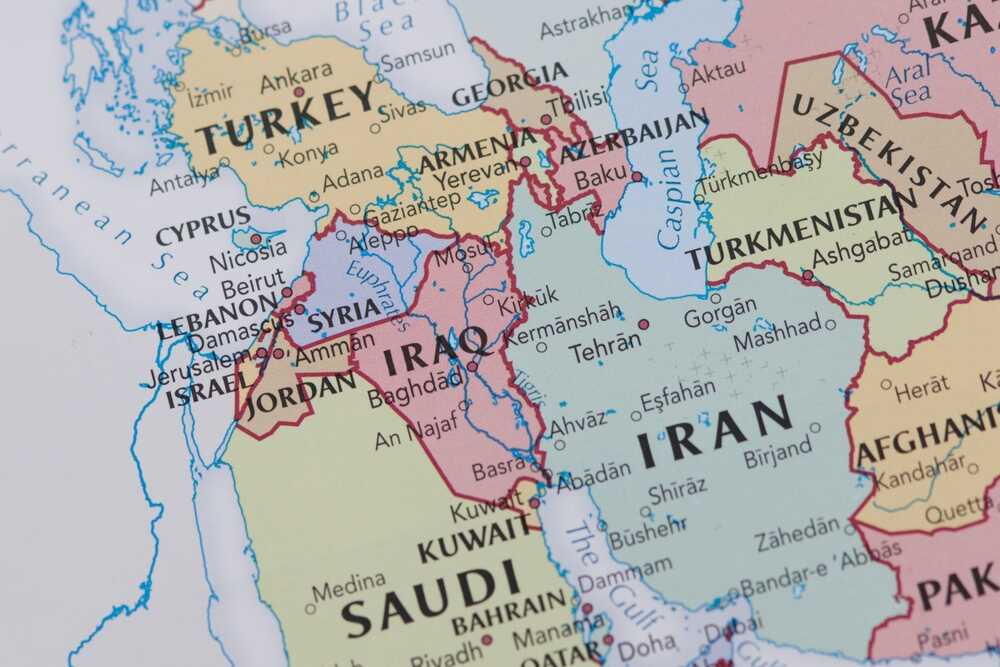
Iran’s claim that it has now fired hypersonic missiles at Israel and U.S. positions is a wake-up call that America’s deterrence must stay strong—and fast.
Story Snapshot
- Iran’s IRGC said it launched a new wave of strikes using a mix of ballistic missiles and a hypersonic system as part of “Operation True Promise 4.”
- Israel reported limited injuries in Israel from fragments and impacts, while regional partners reported damage from debris and drone strikes.
- U.S. and Israeli operations since late February have targeted Iranian military infrastructure and leadership, aiming to degrade Iran’s ability to keep launching.
- Military assessments indicate Iran’s launch capacity has dropped, even as Tehran retains large missile and drone stockpiles.
Iran’s “Hypersonic” Claim Raises the Stakes
Iran’s Islamic Revolutionary Guard Corps announced on March 10, 2026, that it deployed hypersonic missiles in coordinated strikes aimed at Israel and U.S. military positions. The IRGC described the attack as the 34th wave of “Operation True Promise 4,” and said it fired multiple ballistic missile types alongside the hypersonic system. The key factual limitation is verification: the hypersonic claim is largely based on Iran’s own announcement, with limited independent technical detail publicly confirmed.
Israel’s reporting suggests the latest impacts inside Israel were comparatively limited, including one moderate injury from a missile fragment in central Israel and another strike hitting an open area in the north without injuries. That outcome does not mean the threat is small; it means defenses and luck can still hold in a given wave. Hypersonic weapons, if truly operational as claimed, are designed to compress warning time and complicate interception decisions.
What Triggered This Round of Retaliation
The current conflict’s near-term trigger was the joint U.S.-Israeli strike campaign launched Feb. 28, 2026—Operation Roaring Lion—which hit a wide set of Iranian targets and reportedly killed Iran’s supreme leader Ali Khamenei. After that, Iran carried out multiple days of missile and drone retaliation from March 4 through March 10. Iran also confirmed a leadership transition to Mojtaba Khamenei, a factor that adds uncertainty about decision-making inside Tehran.
It also describes Israeli counter-strikes aimed at Iranian military infrastructure in Tehran and Isfahan, including targets tied to Iran’s aerospace and missile ecosystem. Israeli statements framed this as a new stage intended to deepen damage to the regime’s core arrays and the systems used to support proxies. Separately, President Trump said he was not close to deciding on sending ground troops for nuclear stockpile operations, signaling caution about escalation even amid intense air and missile exchanges.
Missile Capacity: Degraded Launching, Large Remaining Stockpiles
One of the most actionable details is the difference between stockpiles and launch capacity. An assessment referenced from the Institute for the Study of War indicates Iran may still possess more than 2,000 ballistic missiles and drones, while Israel estimates Iran has roughly 100–200 missile launchers remaining. If accurate, that gap helps explain why attacks can “decrease significantly” even when a country still has large inventories: launchers, trained crews, fuel logistics, and survivable command-and-control are the bottlenecks modern air campaigns try to break.
The same analysis notes reduced attack frequency as strikes continue, consistent with a campaign focused on production sites, storage, and launch infrastructure. That kind of degradation matters for U.S. forces in the region, because fewer launches can mean fewer opportunities for a missile to slip through. Still, the ongoing reports of debris damage and drone impacts in partner countries underline the ugly reality of regional warfare: even intercepted threats can scatter fragments and cause civilian harm, and drones can exploit gaps in coverage.
Why This Matters for Americans Under a New White House
The immediate U.S. interest is protecting American personnel and assets across the Gulf while preventing a wider regional shock to energy and shipping routes. It notes oil price surges tied to fears of disruption around the Strait of Hormuz, a reminder that global markets still punish weakness and instability. For a conservative audience that has watched years of inflation and fiscal strain, Middle East escalation can collide with kitchen-table economics fast, especially through fuel and transport costs.
BREAKING – Iran launches new missile salvo at Israel, US targets: Guards https://t.co/6SkXy8c4wb pic.twitter.com/yhYjDYjCXY
— Insider Paper (@TheInsiderPaper) March 10, 2026
From a constitutional, limited-government perspective, the stakes also cut two ways: protecting Americans and allies without stumbling into open-ended commitments. It shows Trump publicly weighing options and not committing to ground operations, while U.S. military posture and arms support continue. That combination highlights the core question voters will keep asking after the last decade’s turmoil: can Washington sustain credible deterrence and decisive defense while resisting the kind of forever-war mission creep that drains readiness and budgets?
Sources:
Iran Deploys Hypersonic Missiles in Strikes on Israel, US Bases
Iran Update, Evening Special Report, March 9, 2026
Iran Update, Evening Special Report, March 6, 2026