
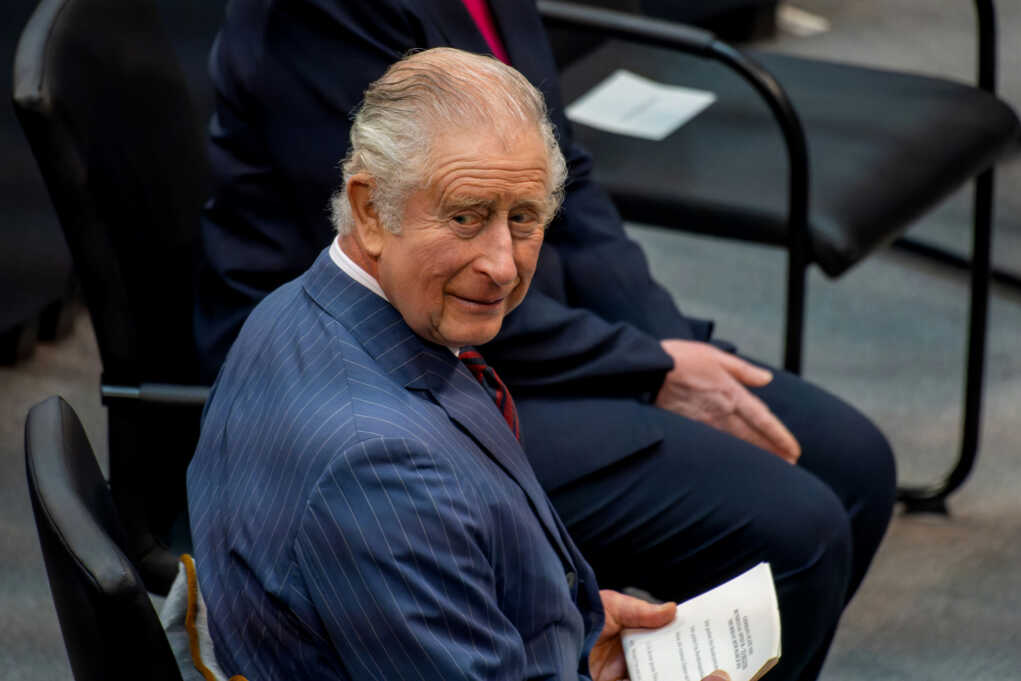
King Charles III faces mounting criticism for prioritizing Islamic observances over Christian traditions, raising questions about whether Britain’s monarch is abandoning his constitutional oath as “Defender of the Faith.”
Story Snapshot
- King Charles issued Ramadan and Eid messages while initially refusing to deliver a traditional Easter message, breaking decades of precedent
- The monarch hosted nearly 400 Muslim guests for an Iftar celebration at Windsor Castle, generating backlash from Christian groups and conservative commentators
- Critics question whether the King’s three-decade engagement with Islam conflicts with his sworn duty to uphold the Church of England
- After public pressure, Charles delivered an Easter message that included references to Islam and other religions rather than focusing exclusively on Christianity
Constitutional Duties Versus Interfaith Messaging
King Charles III took a coronation oath requiring him to uphold the Church of England as its supreme governor. Yet his recent religious messaging has sparked controversy among those who believe he is failing to honor that commitment. The King issued video messages celebrating both Ramadan and Eid while Buckingham Palace announced he would not deliver a traditional Easter message. Royal expert Ian Pelham Turner characterized the Easter omission as a break from decades of tradition that “could and should have been avoided.” The decision raised immediate questions about the King’s priorities regarding his constitutional religious responsibilities.
Windsor Castle Iftar and Islamic Engagement
The controversy intensified when King Charles hosted an elaborate Iftar event at Windsor Castle’s St. George’s Hall for nearly 400 Muslim guests during Ramadan. The event, organized by the Ramadan Tent Project charity, represented one of the monarchy’s most prominent Islamic observances. This follows a three-decade pattern of engagement with Islam, including Charles’s 1985 patronage of the Oxford Centre for Islamic Studies and his 2008 establishment of Mosaic, an organization mentoring young Muslims. A 2018 biography revealed the King studies the Quran and believes Christianity can learn from Islam, raising concerns among traditionalists about where his spiritual allegiances truly lie.
Christian Communities Express Alarm
Conservative Christian groups and commentators have responded forcefully to what they perceive as the marginalization of Christian traditions. Sky News host Danica De Giorgio publicly questioned “which faith” the King truly defends, given the apparent imbalance in his religious messaging. GB News presenter Patrick Christys suggested the King should replace his advisors, noting the absence of Christian messaging comes at a time when “Christianity feels increasingly under attack.” After sustained backlash, the King eventually delivered an Easter message, but critics noted it included acknowledgments of Islam and Judaism alongside Christian themes rather than focusing exclusively on the resurrection of Christ, further fueling concerns about diluted Christian identity.
Broader Questions About Monarchical Identity
The controversy exposes fundamental tensions between Britain’s constitutional Christian heritage and modern multicultural governance. The Commonwealth includes approximately 700 million Muslims, and the UK has a significant Muslim population, creating practical pressures for inclusive representation. However, the King’s title “Defender of the Faith” carries specific historical meaning tied to protecting Protestantism and the Church of England. Critics argue that reinterpreting this role to encompass all faiths equally represents a departure from foundational principles rather than appropriate evolution. The debate reflects wider societal questions about whether traditional institutions can maintain their historic identities while accommodating contemporary diversity, or whether such accommodation inevitably erodes the very foundations those institutions were established to protect.
The absence of verified information regarding alleged Qatari financial arrangements prevents substantive analysis of those claims. What remains clear is that King Charles’s religious messaging decisions have created a credibility crisis among conservative Christians who expected their monarch to prioritize the faith he swore to defend. Whether this represents principled interfaith leadership or abandonment of constitutional duty depends on whether one believes the monarchy should evolve with demographic changes or preserve its historic Christian identity regardless of political pressures.
Sources:
Christian Post – King Charles criticized for nod to other religions on Easter