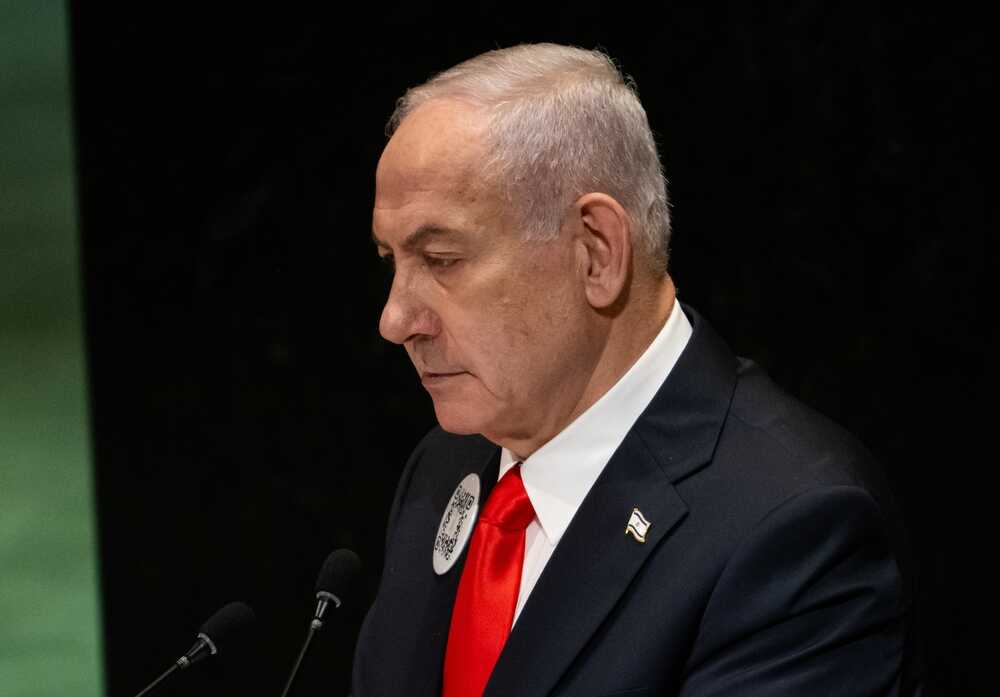
Israeli Prime Minister Benjamin Netanyahu reveals he conquered early-stage prostate cancer in secret, delaying public word to thwart Iranian propaganda during wartime—a bold stand for national security over elite transparency demands.
Story Highlights
- Netanyahu, 76, fully treated and declared cancer-free after radiation eradicated a tiny malignant prostate lesion detected post-2024 surgery.
- Disclosure delayed two months amid Iran-Israel war to deny the “Iranian terror regime” a propaganda weapon.
- Routine monitoring caught the early-stage cancer with no spread, showcasing proactive health choices.
- Netanyahu posts on X: “I am healthy” and in “excellent physical condition,” reassuring allies.
- Highlights leader resilience amid conflict, prioritizing security over immediate openness.
Timeline of Detection and Treatment
On December 29, 2024, Netanyahu underwent successful surgery for benign prostatic hyperplasia at Hadassah Medical Center in Jerusalem. Routine post-surgery follow-up via MRI in early 2025 detected a small suspicious lesion, less than 1 cm, confirmed as early-stage prostate cancer with no metastases. He chose immediate action over monitoring. Radiation therapy, led by Prof. Aharon Popovzer, Dr. Mark Wigoda, and Dr. Shraga Gors at Hadassah’s Sharret Institute, fully eradicated the lesion. Follow-up imaging showed complete disappearance.
Strategic Delay in Public Disclosure
Netanyahu’s office prepared the annual health report on April 20, 2026, but held release until April 24 amid the peak of the Israel-Iran war. He explained the delay prevented the “Iranian terror regime” from twisting the news into false propaganda against Israel. This decision protected national morale and war efforts. The report, combined with his X post declaring himself healthy and in excellent condition, addressed speculation head-on. Such restraint echoes leaders placing country first over personal or elite-driven transparency.
Medical Success and Leader’s Resilience
At 76, Netanyahu maintains rigorous routine monitoring, common for older men facing prostate issues. The cancer, incidental to benign surgery, was caught early through standard protocols, underscoring proactive care’s value. Treatment succeeded without complications, affirming top medical expertise at Hadassah. Netanyahu opted for decisive intervention, reflecting resolve amid geopolitical threats. This outcome reassures supporters of his fitness to lead through conflict.
Israeli citizens gain confidence from the clean bill of health. Political opponents may question timing, yet security priorities resonate across divides. Long-term, it bolsters narratives of resilience against adversaries like Iran.
Broader Implications for Leadership
The revelation highlights tensions between health transparency and wartime needs. Netanyahu’s choice denied enemies exploitable weaknesses, prioritizing victory over elite demands for instant disclosure. It connects to shared American frustrations with leaders shielding vital operations from politicized narratives. Routine screening’s role in full recovery promotes personal responsibility in health, aligning with conservative values of self-reliance over dependency.
Sources:
Israeli PM Netanyahu announces treatment for early-stage prostate cancer
Netanyahu treated for early-stage prostate cancer, annual health report shows
Netanyahu reveals he had prostate cancer treatment during Iran war