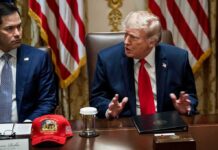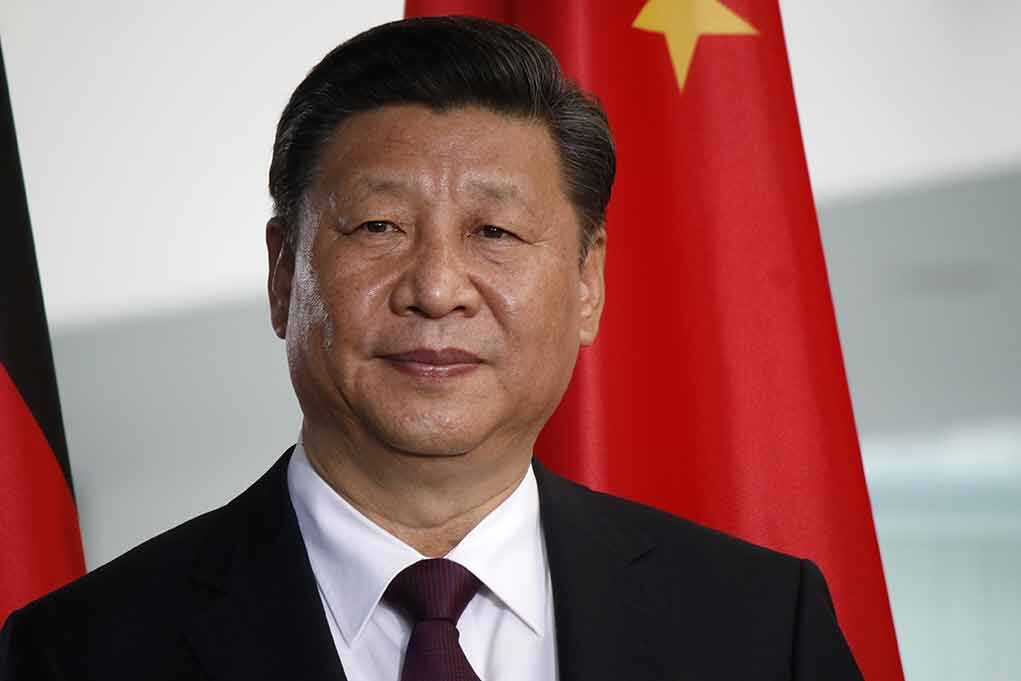
President Trump will welcome China’s Xi Jinping to Washington for a high-stakes state visit focused on trade, Taiwan, Iran, and fast-moving artificial intelligence policy.
Story Highlights
- Trump will greet Xi in Washington for their second meeting this year, including a White House state dinner.
- Officials say Trump plans to meet Xi on arrival at Joint Base Andrews before formal ceremonies.
- Talks will cover trade, Taiwan, Iran, and artificial intelligence, with possible tariff steps discussed.
- China has not consistently confirmed details, but U.S. planning and timing point to the week of September 24.
White House Itinerary Signals Full State Honors
Senior U.S. officials said President Trump will personally welcome China’s leader at Joint Base Andrews before a formal White House arrival ceremony. First Lady Melania Trump will join for events, and the visit includes a state dinner, marking full protocol honors. Multiple outlets place the main events in Washington on or around September 24, aligning with prior invitations and updated guidance reported this month. Trump publicly said the White House would host a state dinner for Xi during the visit.
Regional and national reporting describes a two-day schedule in the capital, with meetings at the White House and a high-profile dinner for Xi and Peng Liyuan hosted by President Trump and the First Lady. The structured program underscores an attempt to stabilize ties while protecting U.S. interests. Officials familiar with planning say Trump will greet Xi at the airport, reinforcing the administration’s message of controlled, leader-to-leader diplomacy during a tense period in the relationship.
Agenda: Trade, Taiwan, Iran, and Artificial Intelligence
Reporting points to a packed agenda that spans trade disputes, security tensions over Taiwan, Iran’s regional behavior, and artificial intelligence risks. Reuters noted both sides want steadier ties while exploring tariff steps on select products, a move that markets are watching closely. U.S. aides have also eyed a possible side session with technology leaders on artificial intelligence, though that element has been described as under consideration rather than locked in on the public schedule.
Trade watchers expect targeted progress rather than sweeping deals. Discussion of potential tariff reductions has surfaced ahead of the visit, but outlets frame these as negotiations in motion, not signed terms. For families facing high prices, even small easing on inputs could help, while the administration keeps leverage on core security and technology controls. The White House aims to lower risk without giving Beijing a free pass on unfair practices that hurt American workers.
Protocol and Optics: Projecting Control While Holding the Line
President Trump’s plan to greet Xi on the tarmac highlights a leader-to-leader approach that projects confidence at home and firmness abroad. The White House arrival ceremony and state dinner serve a diplomatic purpose by setting a respectful stage while the administration presses U.S. priorities in private talks. That balance reflects a classic summit pattern: high ceremony to cool tensions, paired with targeted asks on trade barriers and strategic red lines tied to Taiwan and Iran.
Some reporting notes that Beijing has not consistently confirmed all details, a common dynamic when one side manages message timing more tightly. U.S. outlets, citing officials, continue to anchor the schedule to the week of September 24, with the White House events as the centerpiece. The practical takeaway for readers is simple: the meeting is set, the protocol is robust, and the talks will test whether China is ready to address trade frictions and technology risks without undercutting America’s security or industry.
What Matters for Americans: Jobs, Security, and Tech Leadership
For many Americans, the stakes are concrete: protect jobs from unfair trade, keep faith with our allies, and guard our edge in artificial intelligence and chips. The administration’s stated focus mirrors those goals. Officials emphasize stability without surrender, pressing for steps that cut red tape and non-tariff barriers while keeping firm export controls on sensitive technology. That approach aims to ease cost pressure at home and block Beijing from exploiting U.S. innovation to advance hostile military or surveillance aims.
Expect measured announcements rather than sweeping breakthroughs. Prior summits show that durable progress often looks like small but real steps that keep channels open and push back on bad behavior. If the visit produces movement on agriculture access or limited tariff relief, that could help farmers and manufacturers here. If talks set boundaries on artificial intelligence risks, that could reduce threats from misuse. The bottom line is steady pressure, clear red lines, and outcomes that serve American workers first.
Sources:
facebook.com, reuters.com, abcnews.com, chosun.com, businesstimes.com.sg, livemint.com, bbc.com