Russia’s FSB claims it stopped a car bomb plot against internet regulators, but the incident exposes how government overreach on online freedoms breeds the very extremism it seeks to crush.
Story Snapshot
- FSB thwarted a car bomb targeting Roskomnadzor leaders, allegedly masterminded by Ukrainian services recruiting far-right radicals via Telegram.
- Raids across four cities detained seven suspects; the young Moscow leader died resisting arrest.
- Plot unfolded amid Roskomnadzor’s aggressive throttling of Telegram, WhatsApp, and VPNs to push state app Max.
- Public frustration mounts over internet blackouts justified as drone defenses, fueling radicalization on restricted platforms.
FSB Thwarts Alleged Terror Plot
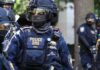
Russia’s Federal Security Service announced on April 24, 2026, that it foiled a car bomb attack on Roskomnadzor leadership. Ukrainian special services allegedly recruited seven far-right and neo-fascist supporters through Telegram group chats. The suspects planned to target a deputy head. FSB raids in Moscow, Ufa, Novosibirsk, and Yaroslavl seized explosives and weapons. The group leader, a Moscow resident born in 2004, died during armed resistance. Criminal cases for terrorism carry possible life sentences.
Internet Curbs Spark Backlash
Roskomnadzor enforces strict online controls, throttling Telegram and WhatsApp to promote the state-backed Max messenger. Recent VPN bans and internet outages in major cities, including Moscow, aim to counter Ukrainian drones. These measures disrupt daily communications, businesses, and public access. Public discontent grows as citizens face unreliable service. FSB frames the plot as foreign sabotage against these “information security” efforts, yet restrictions on popular apps may drive users underground.
Recruitment via Restricted Platforms
The irony stands out: Ukrainian intelligence reportedly used Telegram—the platform Roskomnadzor targets—to enlist radicals. Suspects, influenced by far-right ideology, coordinated via chats despite slowdowns. FSB released videos of operations and blurred confessions. This highlights how curbs push dissent to unregulated corners of the web. Similar threats against Roskomnadzor staff have risen, per officials, amid ongoing Russia-Ukraine shadow warfare.
Government controls expanded post-2022 Ukraine invasion, blocking Western sites and building a sovereign RuNet. Past efforts, like 2018 Telegram blocks, faced evasion. Now, hybrid threats blend physical bombs with cyber tensions, escalating controls.
Implications for Russians and Beyond
Short-term, officials gain cover for tighter restrictions and heightened security. Long-term, isolation accelerates, chilling foreign apps and business reliant on VPNs. Russian internet users endure more outages, fostering alienation. Far-right youth face profiling risks. Economically, messaging disruptions hit enterprises. Politically, the narrative bolsters state threats amid war, but erodes trust in overreaching authorities.
Both conservatives and liberals in America recognize parallels: when governments prioritize control over freedoms, they sow division and extremism. Like frustrations with elite-driven policies here, Russian citizens yearn for reliable access without Big Brother oversight. This event underscores the dangers of centralizing power, departing from principles of individual liberty that founded free societies.
Sources:
https://www.nampa.org/text/22915797
https://www.bssnews.net/international/380977
https://tass.com/society/2121875