

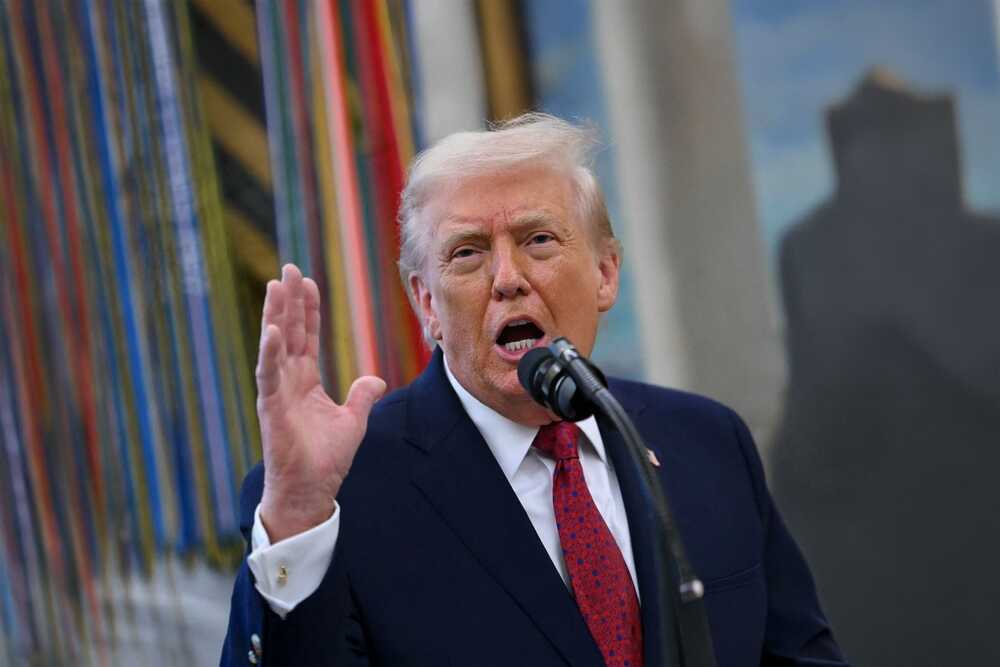
President Trump used a rare primetime address to warn that America’s elections are vulnerable, declassifying files and pushing a tough new “Save America” voting law as Democrats and the intelligence bureaucracy scramble to shut him down.
Story Snapshot
- Trump’s primetime speech tied foreign election meddling and voting machine risks to his push for stronger voter ID and tighter ballot rules before the midterms.
- The White House launched a document website with newly declassified election materials, while critics claim the files lack proof that votes were changed.
- Trump’s message directly challenges years of establishment claims that the 2020 election had no meaningful foreign impact.
- House Democrats and intelligence officials rushed out statements accusing Trump of “weaponizing” intelligence to justify election reforms they oppose.
Trump Uses Primetime Spotlight To Demand Tighter Election Rules
President Donald Trump used a rare primetime address from the White House to put election security back at the center of national debate, just months before the midterm elections. He warned that foreign adversaries had probed America’s systems and that electronic voting machines remain a weak link, then tied those concerns to his proposed “Save America Act,” a package built around strict voter identification and tighter controls on mail-in and early ballots. For millions of conservative viewers, the speech echoed years of fear about loose rules, ballot chaos, and a political class that seems comfortable with doubt as long as it keeps them in power.
Trump has spent much of his presidency reminding voters that 2020 exposed deep problems in how elections are run and overseen. In the six months leading up to the address, he publicly called the 2020 election “rigged” over one hundred times, keeping the issue at the front of the conservative conversation even as foreign policy and the economy competed for attention. His critics frame this as obsession with a past loss, but for many on the right, it reflects a belief that unsecured elections invite fraud, disenfranchise honest voters, and open the door to permanent one-party rule in key states.
Declassified Files, Voting Machines, And A Clash With The Intelligence Establishment
During the speech, Trump announced the immediate declassification of intelligence documents that he said reveal “shocking” vulnerabilities in U.S. election systems, including networks that support voting machines and voter databases. As he spoke, the White House rolled out a new website posting selected investigative files and analysis, pitched as proof that election infrastructure demands far stricter safeguards. Outside the administration, major news outlets and fact-checkers quickly argued the materials did not show any foreign actor actually changed votes or flipped the 2020 outcome, leaning on earlier assessments from the intelligence community that claimed no technical tampering of the vote tally occurred.
Democrats on the House Intelligence Committee moved fast to blunt the impact, issuing a statement warning against “weaponizing” declassified intelligence and insisting that no new evidence had been provided to them showing altered votes. A joint summary previously released by the Department of Justice and the Department of Homeland Security said investigators found no proof that foreign government actors prevented voting, changed votes, or disrupted the official counting process in 2020. Those official documents now sit directly in tension with the darker picture Trump paints, forcing voters to choose whether they trust entrenched agencies that failed to protect the border and civil liberties, or a president demanding deeper scrutiny and stronger guardrails.
Media Resistance And The Battle To Shape What Voters Believe
The reaction from legacy media was swift and hostile. Several major broadcast networks declined to carry the speech live, or framed it as another attempt to “sow mistrust” in elections and to relitigate Trump’s 2020 loss. Commentators claimed the address leaned on “long-debunked” theories and warned it could undermine confidence in the coming midterms. For conservative Americans who have watched those same outlets cheer wide-open borders, soft-on-crime policies, and “woke” priorities in schools, the refusal to fully air or fairly cover a sitting president’s security warning looked less like journalism and more like gatekeeping.
On July 16, 2026 (yesterday), President Trump delivered a primetime address from the White House on election security. In it, he:
• Publicly referenced intelligence claiming China illicitly acquired ~220 million U.S. voter files (names, addresses, phone numbers, political party…— American Girl (@BlueLadyDi) July 17, 2026
Research shows that repeated claims of fraud and interference can erode public trust in elections, even when evidence is thin. Yet that mistrust does not appear out of nowhere. It grows in a climate where elites dismiss concerns about unsecured machines, weak ID, and messy mail ballots, while states roll out sweeping changes that make it harder to track who is voting and how votes are counted. Trump’s critics warn his rhetoric is dangerous, but they rarely engage his core demand: transparent audits, clear chains of custody for ballots, and rules that treat every legal voter equally, whether they live in rural Texas or downtown Philadelphia.
What Trump’s Push Means For Conservatives And The Constitution
The “Save America Act” and Trump’s broader focus on election integrity speak directly to core conservative values. Secure elections protect the principle of one person, one vote and defend the constitutional structure that gives citizens real power, not just the illusion of it. Strong voter ID laws and tighter rules on ballot handling are common sense for people who must show identification to board a plane, buy certain medicines, or even pick up tickets at will-call. Opponents claim these measures “restrict” voting, but have not shown credible proof that impersonation or illegal voting would be deterred by anything less.
For readers frustrated by years of government overreach on speech, guns, and pandemic rules, Trump’s address marks an important moment. It signals that the administration is willing to confront the permanent bureaucracy and demand that intelligence and law enforcement stop hiding behind vague statements and instead release hard data and real audits. Whether every claim in his speech stands up to scrutiny, the core push is clear: elections must be secure, transparent, and accountable to the people, not to unelected officials or corporate media. As the midterms approach, the fight over how to protect the vote will shape not only who wins, but how much faith Americans can place in the system itself.
Sources:
youtube.com, politico.com, npr.org, stylemagazine.com, reuters.com, int.nyt.com, govinfo.gov, gottheimer.house.gov, pmc.ncbi.nlm.nih.gov, misinforeview.hks.harvard.edu, cambridge.org, brennancenter.org