
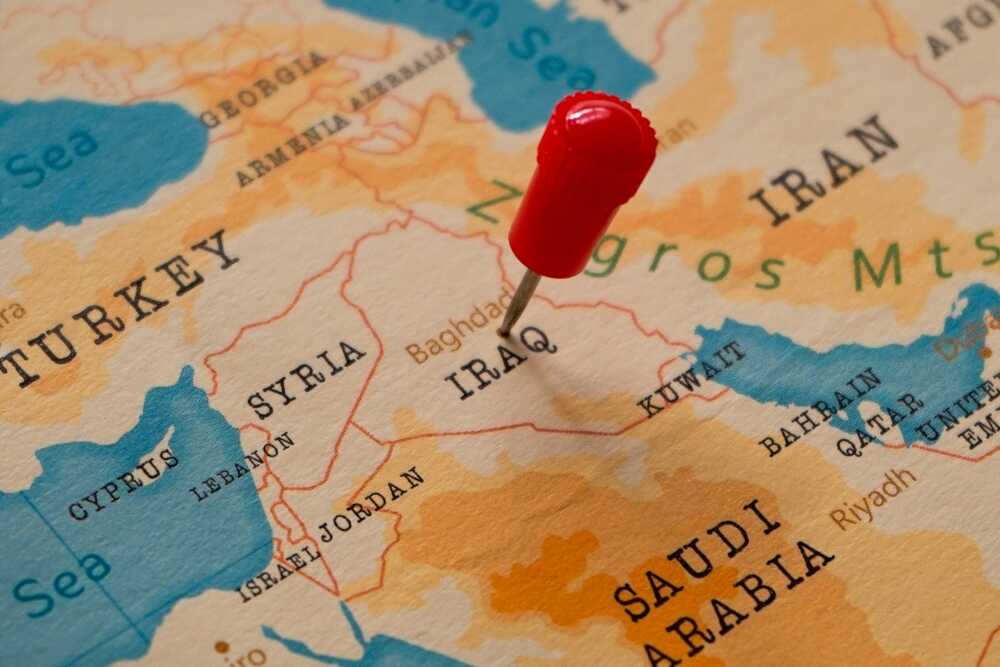
Trump’s Iraq withdrawal plan puts a long U.S. military footprint on the chopping block, and Iraq says the pullout is now complete inside federal territory.
Quick Take
- Iraq announced that U.S. forces have completed their withdrawal from military sites in federal territory.
- The last U.S. advisors left al-Asad Air Base, according to Iraq’s Defense Ministry.
- U.S. forces still remain in the Kurdistan region, so the exit is not total.
- Earlier reports showed the U.S. had already cut troops from about 5,200 to about 3,000.
Federal Territory Is Cleared, But Kurdistan Is Not
Iraq announced that U.S. forces have finished their “complete withdrawal” from military installations inside federal territory, excluding the semi-autonomous Kurdistan region. Iraq’s Defense Ministry said the last group of U.S. advisors left al-Asad Air Base in Anbar province, a major site that had housed American personnel for more than twenty years. That leaves U.S. forces still present at Harir Base in the Kurdish region.
This is the key point for readers who want a clean answer: the United States did not vanish from Iraq overnight. The reported exit is partial, not absolute. The new arrangement moves most forces out of central and western Iraq, but some personnel remain in Kurdistan for counterterrorism and training work. That distinction matters because it undercuts the common media line that this was a full American retreat.
Trump’s Troop Reduction Message Became the Policy Roadmap
Long before Iraq’s 2026 announcement, U.S. officials had already reduced the troop count and described the move as a shift away from a large combat posture. A U.S. military report said the force would drop from about 5,200 to about 3,000 troops during September. Other reports from the same period said the drawdown reflected confidence in Iraqi security forces and a plan to keep only a lower-level mission in country.
President Donald Trump also repeated that the United States did not need a large military presence in Iraq. During a meeting with Iraqi Prime Minister Ali al-Zaidi, Trump said American forces would be “getting out” and that the United States would be “leaving shortly”. That message appealed to voters tired of endless foreign deployments, high costs, and years of vague mission goals that never seemed to end.
Analysts Still Warn the Exit Is Not the Same as Victory
Even with the drawdown, outside analysts have not treated the move as a decisive defeat for Iran. Gulf International Forum said the withdrawal is better understood as a redeployment, not a full exit, and noted that some Iraqis and Iran-aligned groups remain uneasy about the change. Forbes also described the move as a possible “calm before the storm,” warning that reduced American presence could leave room for trouble.
Major shift in Middle East policy as Trump discusses troop withdrawal timeline with Iraq's PM while simultaneously preparing naval blockade against Iran. These two moves happening simultaneously signal a complex… #Iraq #Iran #USForeignPolicy #MiddleEasthttps://t.co/s5zxmpSWVF
— @GlobalRightWatch (@AutonomusRepost) July 14, 2026
That warning fits a larger pattern in Iraq. Reuters reported that Iraq faced continued attacks from Iran-backed militants during the withdrawal period, which shows the threat did not disappear just because U.S. boots came home. At the same time, there is no primary-source document in the available research proving Trump’s broader claim that the withdrawal would end Iranian military bullying or unlock some dramatic new wave of oil investment. The facts support a troop pullback, but not the bigger promises layered on top of it.
What the Deal Means Going Forward
The most important takeaway is simple: the United States is reducing its military role, but it is not walking away from Iraq entirely. Iraq’s announcement confirmed a pullout from federal installations, while other reports said a limited force stays in Kurdistan for counter-ISIS work. That setup may satisfy Americans who want fewer overseas commitments, but it also leaves the door open for continued regional tension, especially if Iranian-backed groups test the reduced U.S. presence.
For conservatives, this story lands on a familiar fault line. One side sees relief from open-ended foreign policing. The other sees a risky handoff in a region where bad actors move fast when American power steps back. The available reporting supports both parts of that tension. It shows a real withdrawal from major Iraqi bases, but it also shows why critics argue that leaving fewer troops behind does not automatically secure peace.
Sources:
youtube.com, foxnews.com, responsiblestatecraft.org, apnews.com, cnn.com, bbc.com, atlanticcouncil.org