
When the head of the federal agency that polices broadcasters says Americans trust **gas station sushi** more than legacy media, it shows just how far the corporate press has fallen.
Story Snapshot
- FCC Chairman Brendan Carr says only 8–9% of Americans have strong trust in legacy national media and jokes more people would eat gas station sushi.
- Carr ties this collapse in trust to years of hoaxes, political activism, and bias from big networks, echoing what conservatives have felt for decades.
- He argues the Federal Communications Commission (FCC) must enforce existing “news distortion” and public‑interest rules instead of letting legacy media run wild.
- Polling from Gallup and others confirms trust in mass media is at record lows, even if Carr’s sushi comparison is colorful.
Legacy Media vs. Gas Station Sushi
Federal Communications Commission Chairman Brendan Carr has turned heads by saying Americans now trust gas station sushi more than legacy national media. In interviews and speeches, he cites polling showing that only about 8% to 9% of Americans have “a great deal of trust” in the mass media, while around 15% said they would eat gas station sushi. Carr’s vivid line is not just a joke. He uses it to hammer home how badly the corporate press has squandered the public’s confidence.
Carr’s comments line up with outside surveys that show a long slide in media trust. Gallup recently found just 28% of Americans have a “great deal” or “fair amount” of trust in newspapers, television, and radio to report the news fully, fairly, and accurately. That is the lowest level Gallup has ever recorded. Other analysts note the trend began back in the 1970s, when trust in media was near 70%, and has fallen across party lines for decades. Republicans’ trust is now in single digits, showing why many conservative viewers feel vindicated.
Why Carr Says the Trust Collapse Matters
Carr argues this crash in confidence is not an accident; it is the result of hoaxes, slanted coverage, and anchors turning into activists on national networks. He points to examples like ABC’s $15 million settlement with President Trump’s foundation and legal fees, saying such conduct “has certainly contributed to this decline in public trust.” For years, conservatives have watched big outlets push anti‑Trump narratives, downplay crime, and cheer left‑wing causes. Carr is now saying, as a regulator, that the legacy media has “really done this to themselves.”
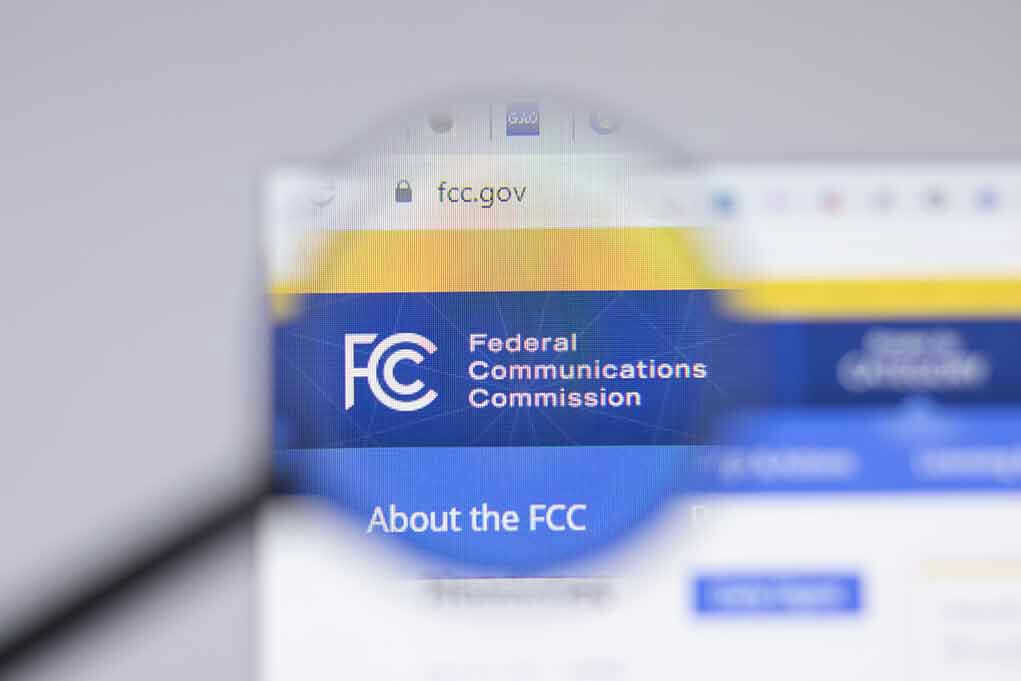
In a Politico interview, Carr said the Federal Communications Commission over the last 20 to 30 years “backed away from the regulatory framework that Congress put in place,” and that this retreat has not served the public. His view is that broadcasters get free use of the public airwaves and, in return, must serve the public interest, including avoiding “news distortion.” He stresses, “I don’t view the FCC as the speech police,” but insists his job is to enforce the law that Congress passed, not to let powerful media companies do whatever they want with no consequences.
Local News, Public Interest, and Conservative Concerns
Carr draws a sharp line between hated national outlets and local stations that still connect with their communities. He says Americans “generally hold favorable opinions of their local media outlets” and argues that boosting local journalism can help rebuild trust. Pew Research Center data backs him up: about 70% of Americans say they have at least some trust in information from local news organizations, compared with much lower trust in national outlets. That gap matters for conservatives who see hometown stations as more grounded than New York or Washington studios.
To close that gap, Carr supports giving local broadcasters more leverage over national networks and revisiting old ownership caps, but only if deals serve the *public interest* by improving local news. He has also warned that networks running “hoaxes and news distortions — also known as the fake news” should “correct course” before their licenses come up for renewal. For many right‑leaning Americans, this sounds like long‑overdue accountability. Legacy media used its “free monopoly” on the airwaves to push one side of the story; now the referee is finally blowing the whistle.
Debate Over FCC Power and Free Speech
Carr’s tough talk has triggered a backlash from the media establishment and allied activists. Outlets such as NPR, The Atlantic, and Brookings accuse the Trump administration of using trust complaints as a cover to “leverage public trust for political gain” and intimidate the press. Press‑freedom groups have filed ethics complaints, and some former Federal Communications Commission officials warn that threatening licenses over Iran war coverage or other stories risks chilling speech and crossing constitutional lines. They argue low trust does not, by itself, give the agency a green light to pressure content.
FCC Chair Brendan Carr says broadcasters get free public airwaves and must serve the public interest. ABC is fighting early license reviews. Legacy media wants immunity. Should FCC act? https://t.co/dZLaLpEDE7
— Alexander Rhodes (@TheDailyRightTK) August 1, 2026
Even with those warnings, the hard numbers on trust are not in dispute. Polling from Gallup and others clearly shows a record‑low level of confidence in mass media, especially among Republicans and independents. What is contested is what should come next. Carr and many conservatives say enforcing existing rules on hoaxes and public‑interest obligations is basic fairness. Critics fear any move that rattles the big national brands. For everyday Americans who feel lied to and talked down to, the picture is simple: when legacy media is less trusted than gas station sushi, something in the system has gone badly wrong — and fixing it will mean standing up to powerful networks that thought they were untouchable.
Sources:
twitchy.com, politico.com, youtube.com, radioink.com, yahoo.com, theguardian.com, pbs.org, reuters.com, foxnews.com, fcc.gov, theatlantic.com, washingtonpost.com, nationaltoday.com, latimes.com, aol.com