

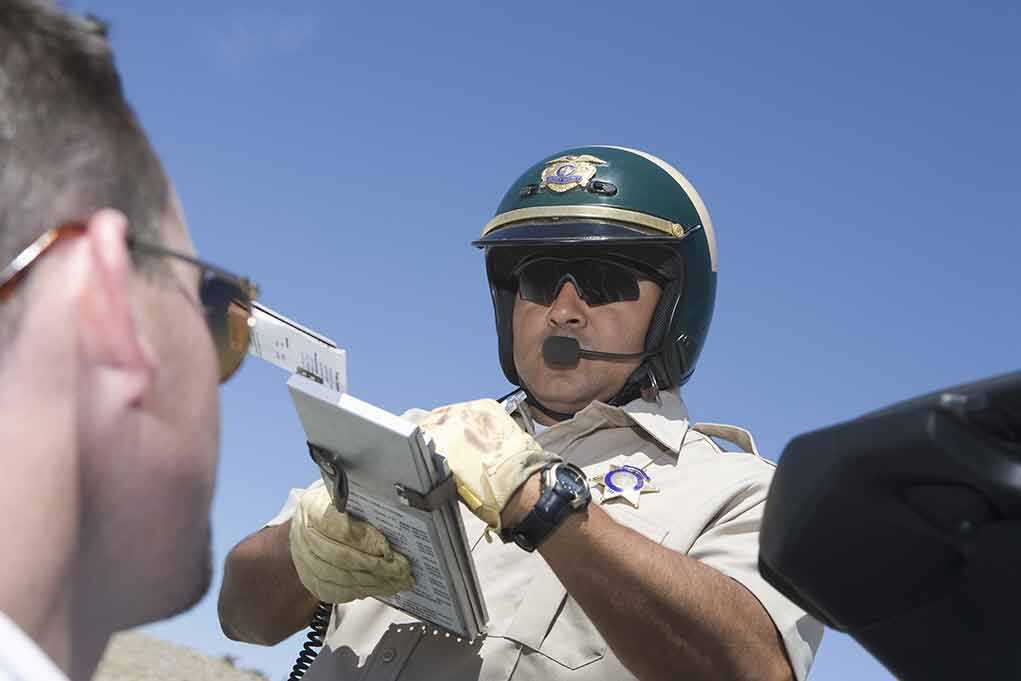
Police touch the back of your car during a stop to boost safety and leave a trace they were there.
Story Highlights
- Officers often tap the trunk or tail light to confirm it is closed and safe.
- The touch can leave fingerprints that tie the specific car to the stop if trouble follows.
- Some trainers and explainers say the tap may startle a driver so the officer can read reactions.
- No single national rule mandates this step, and practices can vary by department.
What That Quick Tap Means on a Traffic Stop
Multiple explainers say officers touch the rear of a stopped car to check the trunk and confirm it is latched. That simple move helps ensure no one can pop out behind the officer during the talk at the window. Several sources describe the tap as routine and tied to safety training over decades of patrol work, especially before body cameras were common. The gesture focuses the officer’s eyes and hands while they move along the safer edge of the vehicle.
Many reports also say the touch can leave the officer’s fingerprint on the vehicle. If a driver flees or a fight breaks out, investigators can link that specific car to the stop. The print is not a magic key, but it can help confirm facts when seconds and details matter later. This reason appears again and again across public guides and videos that explain the tactic for everyday drivers.
Reading Driver Behavior in a High-Risk Moment
Some sources add a third purpose: the tap can startle a driver just a bit. That split second may show nervous moves, a quick hide, or other tells that signal risk before the officer reaches the window. Trainers and lawyer explainers echo this behavioral read as part of a wider safety routine, especially at night. While not every officer does this, the idea is to slow the scene and gather clues early, when danger often builds fast.
Approaching from the rear quarter also reduces the chance of getting struck if the vehicle lurches. One explainer describes how staying off the direct line of the bumper, pairing that with a brief touch, and keeping sight lines open all stack the odds toward safety. The move is small, but combined with positioning and lighting, it supports a measured approach that many officers learn and repeat on the road.
What Is Proven, What Is Tradition, and Why It Matters
The record shows wide agreement on the reasons, but not a single rulebook that makes the touch mandatory everywhere. Several outlets note there is no law that requires officers to leave a fingerprint. Departments set their own training and tactics, and some may stress the touch more than others. In short, it is common and taught in many places, but use can differ based on local policy, coaching, and each officer’s judgment.
For drivers, the takeaway is simple. Stay calm, keep hands visible, and expect a quick tap on the trunk or tail light. The gesture is about officer safety, scene control, and clear documentation if things go sideways. In a time when order on our roads still matters, this small step helps officers return home safe and keeps stops grounded in facts that can be checked later. That supports the rule of law and safer communities for all.
Sources:
reddit.com, youtube.com, wikihow.com, thelawdictionary.org