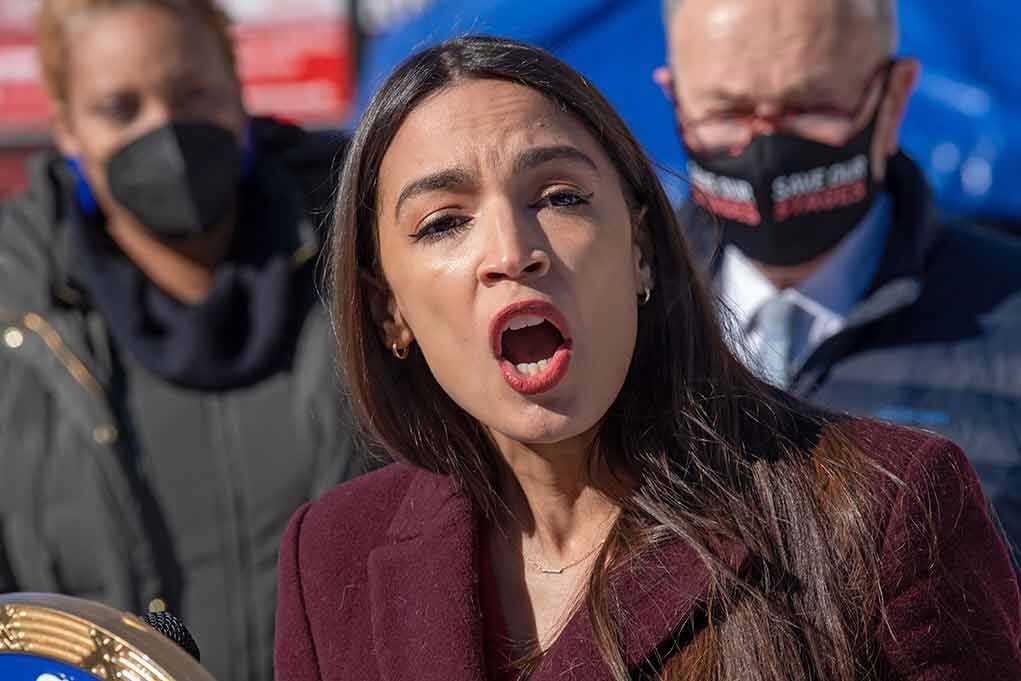
Rep. Alexandria Ocasio-Cortez revived her push for tuition-free public college, claiming it is the way to tame soaring tuition costs at private schools.
Story Highlights
- Ocasio-Cortez promoted tuition-free public college as the fix for rising private tuition.
- Her platform backs the College for All approach and universal public funding.
- Critics warn “free” college shifts costs to taxpayers and leaves other expenses.
- Evidence on “free tuition” shows mixed results on graduation and equity.
What Ocasio-Cortez Said And Where
Rep. Alexandria Ocasio-Cortez told students that “tuition-free public colleges and universities” are the best way to “rein in” rising costs at private institutions, arguing that fixed, affordable public options would pressure prices systemwide. Her official platform links rising tuition to blocked access and heavy student debt, and it backs legislation to make public colleges tuition-free nationwide. Reports summarized her Ithaca remarks as centered on free college and broader activist themes that energize the left.
Her message fits a long push for universal public systems. She has argued for years that public goods should be open to all, including higher education, and has framed means-testing as a “talking point” that weakens support for public services. The appeal is clear: lower sticker prices and a simple promise. Supporters say that promise can drive applications and enrollment among students who think college is out of reach. Media coverage of her comments amplified that pitch to a national audience.
What The Evidence Shows About “Free” Tuition
Research on tuition-free policies shows benefits and limits. Some studies find enrollment increases when tuition is set to zero, and that the “free” message itself can move behavior by cutting confusion about price. Other work warns that tuition is only part of the total cost, and many students still face large bills for housing, food, books, and transport, which can block completion even when tuition is covered. Evidence on graduation gains is mixed across programs and designs.
Policy design matters. Analysts at mainstream and center-left outlets say outcomes depend on whether aid is first-dollar or last-dollar, how eligibility works, and whether advising and support are funded. Weak designs can steer money to students who would attend anyway and do little for the poorest students. Brookings summaries report that while many colleges advertise “free tuition,” the biggest impact can be on awareness, not always on degrees earned. That reality challenges simple claims that one lever alone will “rein in” costs everywhere.
The Cost Shift And Taxpayer Burden Debate
Critics argue there is no such thing as “free” college. They say the plan shifts tuition from students to taxpayers, while leaving non-tuition costs intact. Britannica’s policy roundup lists core concerns: taxpayers could spend billions while students still face large debts for living costs, and poorly targeted subsidies can be regressive. That view holds that universal tuition promises risk becoming a permanent entitlement with unclear price controls and rising state and federal outlays.
Skeptics also question whether blanket subsidies change the root cost drivers inside colleges. They warn that if families no longer face prices, schools and states may feel less pressure to contain spending on administration, amenities, or non-teaching costs. Analysts further note that universal programs can draw more applicants from higher-income families who already navigate admissions well, squeezing limited seats and aid away from lower-income peers. These trade-offs matter in an era of deficits and inflation risks.
What Conservatives Should Watch Next
Congressional Democrats may use Ocasio-Cortez’s push to rally support for broader federal spending on higher education. President Trump’s administration has stressed work, skills, and cost transparency over new entitlements. The policy fight will center on three questions: who pays, who benefits, and whether results justify the cost. Evidence suggests targeted aid, simpler pricing, and strong guidance can help students more than slogans alone, especially when guarding taxpayers and focusing on value.
Conservatives can press for real fixes: hold colleges to clear outcomes, expand trades and apprenticeships, enforce transparency on total cost, and direct aid to students with real need. Lawmakers should reject open-ended promises that risk higher taxes, larger deficits, and more control from Washington. Families deserve honest prices, real skills, and freedom from bloated systems. That path defends limited government, respects taxpayers, and helps students earn worthwhile degrees without feeding another costly, permanent program.
Sources:
thegatewaypundit.com, ocasiocortez.com, breitbart.com, ground.news, businessinsider.com, thirdway.org, openknowledge.worldbank.org, brookings.edu