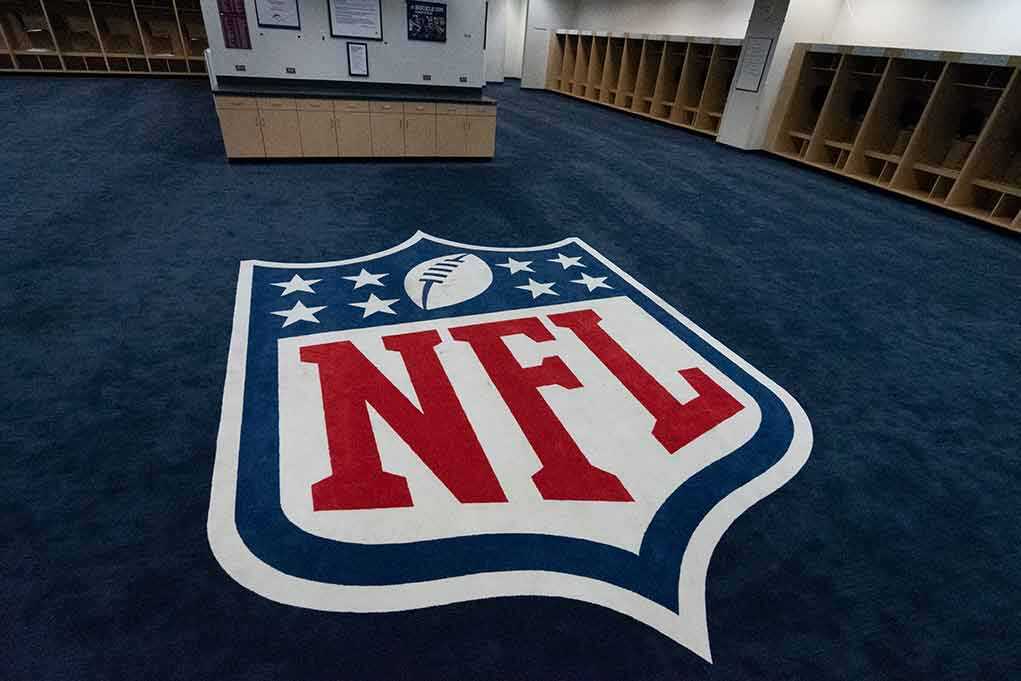
The National Football League asked the Department of Homeland Security to remove an immigration post that used Hall of Famer Brian Dawkins’ highlights, after Dawkins said he never gave permission.
Story Snapshot
- The National Football League requested the Department of Homeland Security delete the Dawkins video.
- Brian Dawkins said he did not give permission for his name, image, or likeness to be used.
- The Department of Homeland Security said it posted the clip while “playing lockdown defense” at the border.
- Legal experts say fair-use may apply to game footage, but consent disputes remain.
NFL Objects To DHS Border Post Using Brian Dawkins
Associated Press reported that the National Football League asked the Department of Homeland Security to take down a social media video that showed Brian Dawkins’ hits while referencing a caravan approaching the United States border. The request followed an online backlash and questions about permission. The post remained up for hours after the league’s ask, according to multiple outlets. The clash put sports branding and federal messaging on a collision course in the middle of a hot fight over the border.
ESPN reported that Dawkins told the outlet he had “very respectfully not given permission” for the post, and later said he did not allow “anybody” to use his name, image, or likeness. That statement matters because player identity has real commercial value. The league has long guarded its highlights and brand. When a federal agency lifts a star’s clips for a policy message, it raises clear questions: who controls the footage, and who decides the context?
DHS Says The Border Requires “Lockdown Defense”
United States media reported that the Department of Homeland Security framed the post as a border security message. The department said the United States Border Patrol was tracking a group moving toward the border and used football language to say it was “playing lockdown defense”. Outlets also quoted a spokesperson repeating the “lockdown defense” theme to explain why Dawkins appeared in the post. The goal, according to the messaging, was to show firm enforcement during a surge.
This is where the friction shows. The National Football League and a retired player did not want their brand tied to a partisan fight. The Department of Homeland Security defended the post as a tough stance at a critical time. Both things can be true. Border chaos is real and needs action. But using a private figure’s image without consent can spark a rights dispute that distracts from the security message the agency wanted to send.
Permission, Fair Use, And The NIL Era
A Philadelphia Inquirer analysis reported that a copyright expert said the government may be able to rely on fair use for game footage, which complicates the National Football League’s request. That does not end the argument. Name, image, and likeness rights are valuable and often licensed. The United States Patent and Trademark Office explains that name, image, and likeness are commercial assets athletes must protect and manage. That clarity drives today’s fast reactions when anyone repurposes a star’s identity.
Here is the bottom line for readers who value property rights and limited government. Private brands and people should control how their images are used. Government should focus on the job, not on memes or culture-war bait that invites legal fights. If the Department of Homeland Security wanted to tout border gains, it could have used agents, arrests, and seizures. Instead, it sparked a fight with a league that did not sign off and a player who said no.
Why This Matters For Border Security And Accountability
Border security is a core federal duty. Americans want safe communities, lawful entry, and respect for the rule of law. Messaging stunts can backfire by shifting attention from action to optics. When an agency post draws headlines for a permission dispute, it weakens the message of strength it meant to send. Conservatives expect agencies to use plain facts and results, not celebrity clips. Strong policy and clear briefings beat viral posts every time.
President Trump’s team is pressing to secure the border. That mission deserves serious, careful communication. Agencies should avoid steps that look like they are borrowing private fame without consent. The National Football League’s ask is simple: take the video down. Brian Dawkins’ message is even simpler: he did not give permission. The Department of Homeland Security can keep its focus on enforcement wins and respect property rights at the same time. That is the smart, conservative path forward.
Sources:
mediaite.com, theguardian.com, latimes.com, cbssports.com, sports.yahoo.com