
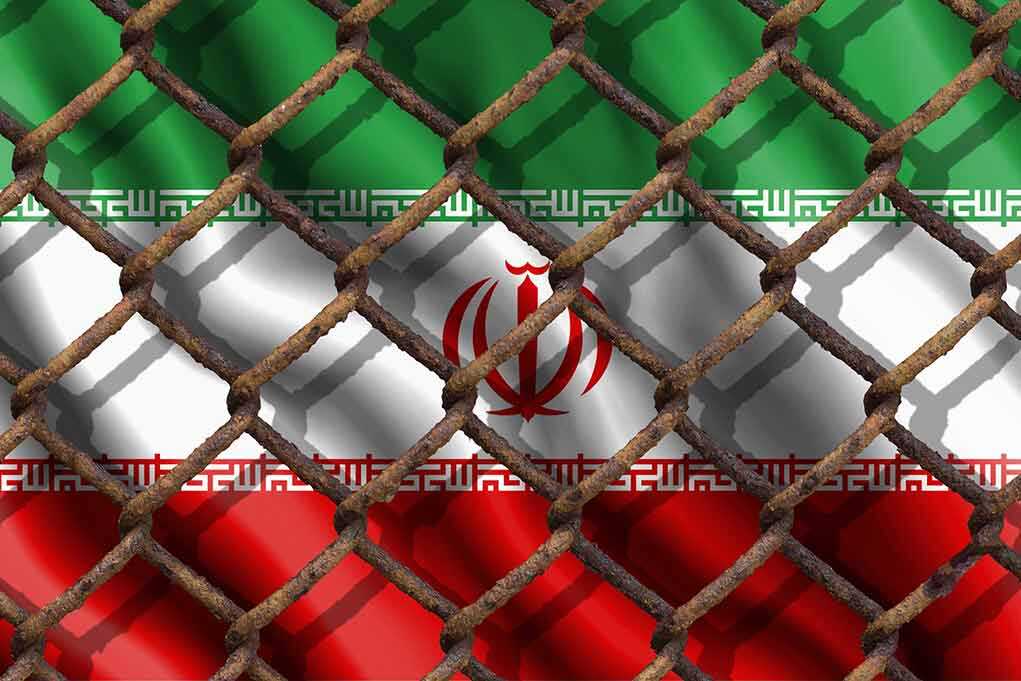
Washington moved to choke off a vast sanctions-evasion network allegedly used by Iran, freezing assets and flagging billions in risky transactions.
Story Snapshot
- Treasury labeled the A7 Network a major transnational criminal group and blocked its U.S.-linked assets.
- Financial Crimes Enforcement Network warned banks that A7-related activity is a primary money-laundering concern.
- Officials cited at least $179.1 billion in A7A5 transactions across more than 180 entities since 2025.
- Leaked records reporting showed front companies and forged trade documents used to move funds through global banks.
Treasury Designation Targets Alleged Iran-Linked Evasion Network
On October 1, the U.S. Department of the Treasury formally designated the A7 Network as a significant transnational criminal organization. The designation blocks property and interests in property within U.S. jurisdiction and cuts off access to U.S.-linked transactions. Treasury tied A7 to sanctions evasion benefiting the Iranian regime and its partners. The designation is part of Operation Economic Outcast, a broader push to disrupt funding streams that help hostile states and proxy groups threaten U.S. interests.
The administration’s action signals a clear priority: protect American security and restore the rule of law in global finance. By naming A7 a criminal organization, Treasury increased penalties and scrutiny for anyone dealing with the network. This step also puts foreign banks and front companies on notice. If they help move dirty money, they risk losing access to the U.S. dollar system. That access is the lifeblood of global trade and the leverage America can use to defend its people.
FinCEN Flags $179.1 Billion in A7A5 Activity and Issues Compliance Rules
The Financial Crimes Enforcement Network issued a nationwide alert to banks alongside a proposed rule under the Combating Russian Money Laundering Act. The alert describes A7 as a global wholesale sanctions-evasion and money-laundering service with ties to Russia. FinCEN reported that more than 180 entities processed A7A5 transactions totaling at least $179.1 billion from February 2025 through June 2026. The alert provides risk indicators to help banks spot and report suspect activity.
FinCEN’s move matters for every American who wants lower prices and a safer country. Sanctions work when bad actors cannot move money. When they can, regimes in Tehran and Moscow find ways to fund terror proxies, arms deals, and cyber threats. The proposed rule gives U.S. banks clearer tools to shut these pathways fast. It also pressures foreign institutions to clean up or lose their American foothold. That is a practical path to deterrence without new wars or endless spending.
Leaked Records Describe Fronts, Forgeries, and Conventional Bank Channels
Independent reporting based on a large leak of internal records describes how the A7 operation allegedly worked. Journalists reviewed files that point to front companies in the United Arab Emirates, Hong Kong, Kyrgyzstan, and Indonesia. The reports describe forged invoices, altered customs codes, and counterfeit corporate stamps used to disguise the true origin of goods and the purpose of payments. The same reporting traced billions routed through well-known international banks.
These details match a classic sanctions-evasion model. Shell firms mask the real buyer. Fake paperwork fools controls. Payments hop across borders until the trail goes cold. According to the coverage, the network still managed to touch the traditional banking system, including accounts in global financial centers. That access raises the stakes. It suggests the alleged scheme did not rely only on cryptocurrency or fringe channels. It reached into mainstream finance where volume and speed are highest.
What Banks and Businesses Should Do Next
Banks should map exposure to any A7-linked entities named in official materials and apply enhanced due diligence. Compliance teams should review trade finance flows that show mismatched goods descriptions, sudden routing shifts, or repeated small invoices with the same patterns. Businesses importing or exporting through higher-risk hubs should verify beneficial owners and inspect documents for recycled templates or odd language. These steps align with FinCEN’s indicators and can prevent costly enforcement later.
For conservatives, the bottom line is simple. America must cut off money that fuels enemies, defend the dollar, and punish fraud. This action from President Trump’s team aims to do that without burdening law-abiding families. It targets the bad actors, not small businesses. Officials have emphasized the need to reconcile different public figures and keep releasing usable red flags to the private sector. Clear guidance means fair rules, strong borders in finance, and accountability for those who cheat.
Sources:
pjmedia.com, home.treasury.gov, balasubramaniam675791.substack.com