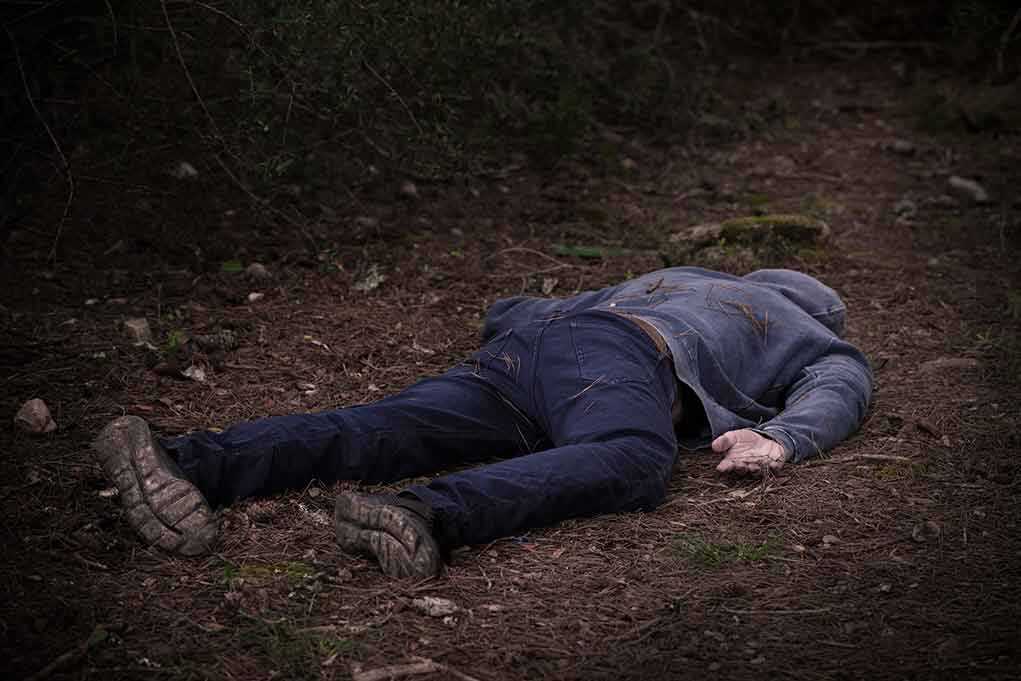
When investigators build a case from pixels instead of bones, the center of gravity shifts: digital evidence can reveal violence, victims, and timelines long before a body is ever found — and that is exactly what has propelled the Philadelphia probe of a Chew Avenue home forward with unusual speed and scope.
At a Glance
- Police and the FBI recovered more than one million images and videos tied to a single Philadelphia residence; 58 people have been identified from the files.
- Investigators say video evidence leads them to believe at least five women connected to the property are deceased; two are named publicly in briefings.
- The case began with a June 19 arrest in Old City and expanded after a search found weapons, drugs, chemicals, and a marijuana grow operation at the home.
- The investigation remains active; authorities emphasize a methodical review of a massive digital trove and related physical evidence.
What investigators have — and how they say it fits together
Police describe an evidence-led investigation rooted in digital recovery from a residence on West Chew Avenue, augmented by on-site searches and laboratory submissions. According to multiple briefings and contemporaneous reporting, the Philadelphia Police Department and the FBI secured more than one million image and video files from the property; from those files, authorities have identified 58 individuals and isolated sequences that, in their judgment, depict fatal violence against women linked to the address. In formal updates, investigators stated they believe five women are deceased on the basis of what appears on recovered video; two of those women — Maribel Fresses and Gabrielle Amarando — were publicly named, with officials underscoring that their bodies had not been recovered.
The archive’s content is not the only evidentiary strand. The home search also produced firearms, ammunition, narcotics, chemicals, and a marijuana grow — items that established independent criminal exposure and provided a lawful platform for an expansive forensic inquiry into the residence, its devices, and its physical infrastructure. Police leadership has repeatedly framed the work as ongoing and active, noting the recovery and review of a “substantial volume of digital evidence” from the property, alongside continued field operations.
How the case started: a routine encounter that opened a larger door
The trigger event was prosaic but consequential. On June 19, a law-enforcement encounter in Philadelphia’s Old City area resulted in the arrest of Eugene Horsch. Reporting on that stop cites false credentials, weapons, and the presence of a woman who presented identification belonging to a missing person, Blair Tanzelli. That episode led investigators to seek and execute searches at the Chew Avenue address associated with Horsch, where the initial digital cache and physical evidence were found. The pivot from a street-level arrest to an intensive, multi-agency forensic effort is typical of complex cases: once probable cause exists and search authority is obtained, downstream discoveries can expand the scope from discrete offenses (weapons, drugs) to potential violent crimes reflected on devices, media, and the scene itself.
From that point, the methodical work of digital forensics took center stage. Teams imaged devices, indexed files, and began the labor of cataloging and correlating people, rooms, and artifacts seen in the archive to the physical layout of the house. As that review advanced, investigators linked at least seven women to the property in official summaries and media briefings; within that subset, they highlighted five women believed deceased based on what appears in the video record.
Why images can carry a case before remains are found
To a lay reader, a homicide inquiry without a body can feel incomplete. In modern practice, however, digital evidence frequently provides the backbone for time, place, and causation — especially in cases involving missing persons. Research and field experience converge on the same point: data from devices and cameras increasingly drives major-crime timelines, but it demands specialized processing and validation before it can be marshaled into charges or presented in court. In the Philadelphia matter, authorities have emphasized the scale of the corpus and the structured way they are extracting insight from it, a posture that is consistent with best practices for handling high-volume, high-sensitivity digital collections.
The evidentiary logic is straightforward. If images and video reliably show a subject alive, then depict acts that meet the legal definition of deadly violence, and subsequently present that subject in a condition consistent with death — and all of this is time-stamped, device-attributed, and corroborated by the physical environment — investigators can reach a reasoned belief about death even in the absence of recovered remains. That is the posture officials have taken publicly regarding at least five women connected to the property. One sentence of caution belongs here and only here: officials have used qualifiers such as “appear deceased” in public briefings to reflect that medical-examiner confirmation through recovered remains has not occurred.
The physical scene: what was recovered beyond the files
Parallel to the digital review, authorities processed the structure as a potential crime scene. Reports describe police and federal teams removing containers of sludge-like material and submitting them for laboratory analysis, as well as documenting rooms for possible DNA and blood evidence. The initial search also surfaced a 9mm firearm, ammunition, chemicals, and an indoor marijuana grow operation — findings that both complicated and strengthened the broader case posture by adding independent offenses and potential forensic substrates (residues, tool marks, environmental DNA) for comparison against the digital record. These steps are standard when investigators suspect that on-camera conduct may also have left off-camera traces: mapping the house, sampling drains and containers, and aligning archival imagery with real-world fixtures.
Crucially, police have said the review and testing work is not finished. That matters for two reasons. First, a trove of over a million items will yield answers unevenly; second, interim tallies in public reporting can shift as identifications are confirmed and as new links are discovered. Even so, the anchor points have remained consistent across official statements: the existence of the digital archive, the identification of dozens of subjects within it, and the belief that several connected women are dead based on what those files show.
Philadelphia Councilman Anthony Phillips says a large-scale search of the Philadelphia "House of Horrors," at the center of an investigation, could keep police in the neighborhood for an extended period. Phillips said police will be returning to the property to conduct an… pic.twitter.com/BWTMH4CDgE
— NewsNation (@NewsNation) September 26, 2026
The investigative playbook from here
Expect a sequenced build. In cases like this, investigators typically move through four lanes: (1) complete the digital census — devices, cloud accounts, and backups — and lock down chain of custody; (2) finalize identifications of people, rooms, and objects in key sequences; (3) correlate the archive with physical-scene forensics, including any chemical or biological findings; and (4) construct a prosecutable timeline that assigns specific acts to specific actors. The work is painstaking rather than flashy: search-warrant returns from service providers, lab certificates, device provenance, and time synchronization across cameras and operating systems. Each detail shores up the central claims and safeguards them for court.
For families of the missing, the cadence can feel glacial; for prosecutors, it is essential. Digital evidence must not merely persuade — it must survive evidentiary challenges on authenticity, integrity, and interpretation. That is why police spokespeople have stressed the active, ongoing nature of the review and the substantial volume they have already secured and processed. The core facts — the size of the trove, the identifications within it, and the evidence-based belief in deaths it appears to show — are already established. The remaining task is to convert that foundation into charges and, ultimately, adjudication.
Sources:
feedpress.me, 6abc.com, nbcphiladelphia.com, nbcnewyork.com, inquirer.com, cbsnews.com