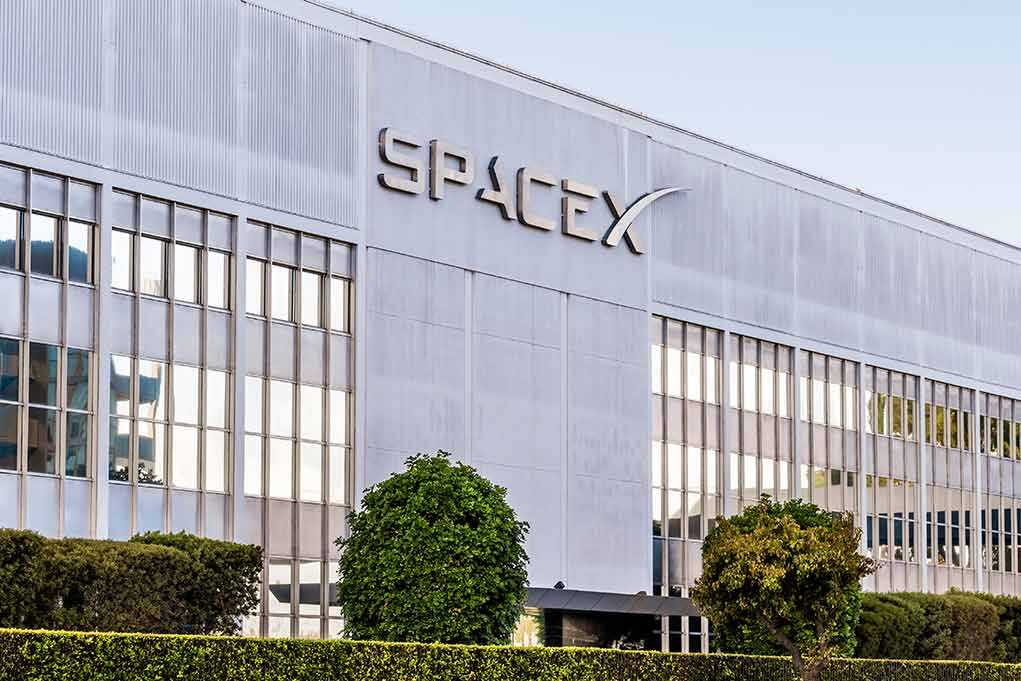
SpaceX’s Starship reached orbit for the first time and deployed 26 next‑generation Starlink satellites, marking a U.S. win for private ingenuity and lower-cost internet coverage worldwide.
Story Highlights
- Starship hit orbit and released 26 Starlink V3 satellites, a first for the vehicle.
- The flight launched from Starbase, Texas, and ended earlier than planned after meeting core goals.
- Elon Musk said all 26 satellites are operating normally after deployment.
- The milestone advances rapid reusability and American space leadership.
Historic First: Orbit Achieved and Satellites Deployed
SpaceX launched Starship from Starbase, Texas, and reached Earth orbit for the first time. The giant upper stage then deployed 26 next-generation Starlink V3 satellites one by one about 269 kilometers above Earth, completing the mission’s top goal before the early end of the flight. Reporters on scene and live coverage confirmed the orbital milestone and on-orbit deployment sequence. This was Starship’s first operational payload release, moving the vehicle from pure testing into revenue activity.
Company statements and news outlets described the achievement as a major step for rapid reuse. By getting to orbit and handling a real payload, SpaceX checked off the next box required to build a fully and quickly reusable system. That is the long-term plan that aims to cut launch costs, grow U.S. industrial edge, and support future missions that include Moon work and deep-space cargo. CNBC and CBS described it plainly: Starship reached orbit from its South Texas complex for the first time.
Early Return After Meeting Core Objectives
Mission managers ended the flight earlier than the preflight plan after key tasks were done, including reaching orbit and completing the satellite deployment. ABC News reported the company hit both primary objectives even though the flight wrapped up about seven hours ahead of schedule. Preflight reporting expected up to six orbits and a near 10-hour duration. The first checkpoint decision brought the vehicle down sooner, but not before the headline goals were met.
Elon Musk posted that all 26 Starlink V3 satellites deployed and were operating normally. Reuters cited the post, which underscored not just separation, but healthy initial operations, the most critical early indicator for a working payload. While detailed telemetry and a full engineering readout were not part of the initial news cycle, the public facts aligned across major outlets: orbit achieved, payloads deployed, and an early end after objectives were secured.
What This Means for Americans: Cheaper Access and Stronger Leadership
Lower-cost heavy lift helps families and small businesses by driving down the price of space services that power rural broadband, navigation, weather, and precision farming. Faster deployment of Starlink strengthens service in hard-to-reach areas that Washington’s slow programs often miss. A reusable Starship that can fly often and at low cost puts American workers, American engineers, and American suppliers at the center of a real manufacturing boom, not a talking point.
This success also supports national security and supply-chain resilience. More lift at lower cost speeds constellations that keep our troops connected, our energy sector monitored, and disaster response online. Private innovation is doing what bloated government programs struggle to do on budget and on time. That model reflects limited government and free-enterprise values that deliver real results and global leadership without endless spending sprees that fuel inflation.
How Starship’s Milestone Fits the Bigger Picture
Major rockets often log partial wins as they mature. Reaching orbit and performing a payload event are treated as meaningful steps, even while engineers keep improving systems for reuse and reliability. Coverage described the tension clearly: this was still a test flight, yet it crossed a line that opens the door to the next phase of development and faster turnaround between flights. The achievement does not end testing; it makes the next round of testing and reusability work possible.
Starship Flight 14 reached orbit and deployed 26 Starlink V3 satellites, but an engine shutdown cut the mission short. The vehicle completed 2 orbits in 3 hours instead of the planned 10-hour test.#Starship #SpaceX
📖 https://t.co/rhworgDV1b pic.twitter.com/79vl4wVf3z
— NovΔ mAInd (@Nova_mAInd) September 30, 2026
For conservatives, the lesson is simple. When American builders are free to innovate, the country wins. Starship’s orbital debut came from competition, not mandates; from risk-taking, not red tape. The result is practical: more capacity to connect rural Americans, more pressure to cut costs, and more evidence that the private sector can deliver. That is how we strengthen families, create good jobs, and keep America first in space and here at home.
Sources:
redstate.com, reuters.com, cnn.com, abcnews.com, spacex.com, foxbusiness.com, cbsnews.com