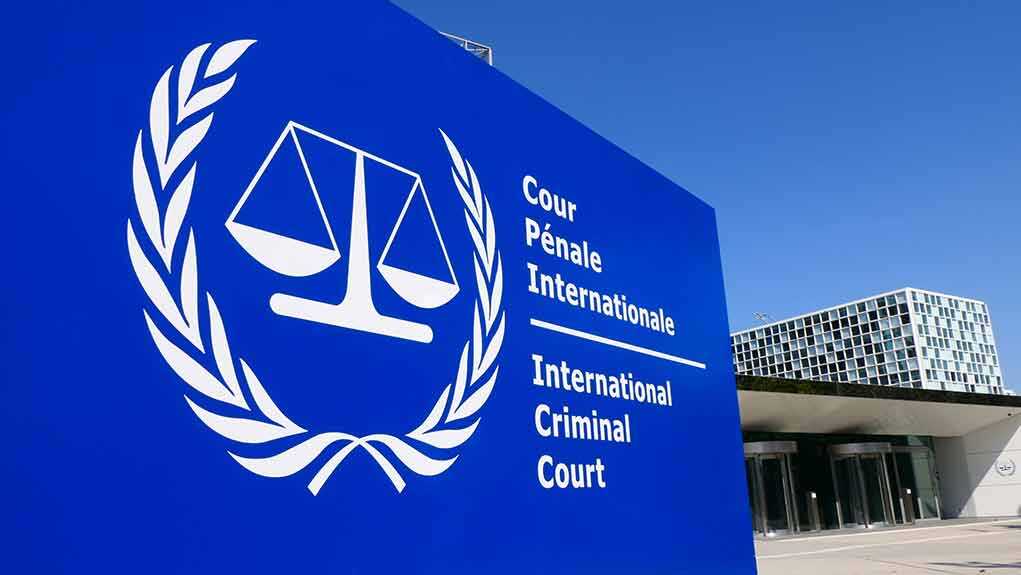
Hours after a former International Criminal Court judge won the Nobel Peace Prize, the United States hit the court with sweeping sanctions to defend American sovereignty.
Story Highlights
- President Trump’s Executive Order 14203 authorizes sanctions against the International Criminal Court to protect U.S. citizens and allies.
- Treasury regulations now implement and enforce these penalties across the financial system.
- Washington reaffirms it never consented to the court’s jurisdiction over U.S. nationals.
- The court and United Nations critics call the sanctions an attack on judicial independence.
What Washington Did And Why It Matters
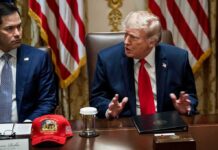
President Trump signed Executive Order 14203 to impose sanctions on the International Criminal Court. The order finds that attempts to investigate, arrest, or prosecute protected U.S. persons are an unusual and extraordinary threat. It directs the government to respond with significant consequences. The Treasury Department’s Office of Foreign Assets Control announced the order and began designations. The action aims to block the court’s reach over Americans and key partners, and to deter future steps against U.S. service members.
The Department of the Treasury moved from words to action by issuing rules and licenses that operationalize the order. Treasury published International Criminal Court sanctions regulations, giving banks and businesses compliance instructions. The rules make it harder for the court or those who support its targeted activities to move money through the U.S. system. General licenses allow official U.S. government business to continue where needed, while keeping pressure on the court’s operations.
The Longstanding U.S. Position On Jurisdiction
The United States has said for decades that it is not a party to the Rome Statute. Washington rejects any claim that the court can prosecute U.S. nationals without U.S. consent or a United Nations Security Council referral. A formal U.S. statement to the Assembly of States Parties repeats this stance in clear terms. This position reflects a core view about sovereignty and due process for American troops, intelligence officers, and officials who serve under U.S. law and oversight.
Past moves by the court to examine alleged crimes tied to conflicts where Americans served deepened this clash. The court’s filings reference operations in Afghanistan, where U.S. forces served under a United Nations mandate alongside allies. That history fuels the U.S. concern that the court’s reach can drift into American chains of command. The order responds by signaling that any attempt to target Americans will meet direct, material pushback from the U.S. government.
How Supporters Of The Court Are Responding
The International Criminal Court says it will continue its work with independence and impartiality. Court leaders call the U.S. measures a flagrant attack on an impartial judicial body that was created by treaty and backed by many nations. They argue the sanctions aim to obstruct justice for victims of grave crimes. United Nations officials and experts also criticize the step and warn it could harm efforts to hold abusers accountable across the world.
President Trump Sanctions Politically Motivated International Criminal Court (ICC)
October 9, 2026 | Sundance | 1
The Trump administration has imposed sweeping new sanctions on the International Criminal Court in an effort to dismantle the tribunal that President Trump,…
— Parallel Polis in Exile 🇺🇸 (@Polis_in_Exile) October 11, 2026
These reactions show the divide. U.S. leaders see an unelected foreign court claiming power over Americans. Court backers see global rules that apply regardless of nationality. That debate is not new, but the sanctions raise the stakes. For American readers, the key point is simple: the U.S. government is using lawful tools to defend citizens, protect the Constitution’s limits on foreign control, and keep faith with those who wear the uniform and serve the country.
What Comes Next For U.S. Policy And Allies
Treasury’s rules mean banks, donors, and vendors will now weigh real risk if they fund targeted court activities. That changes incentives fast. Allies who work closely with the United States will face choices about cooperation with the court versus vital security ties. The administration has paired sanctions with narrow licenses to keep diplomacy moving. The message is firm but focused: do not target Americans, and do not bankroll efforts that cross red lines set by U.S. law.
Bottom Line For Conservatives
The administration acted to shield American service members and the nation’s right to govern its own. The court and some global voices will cry foul, but they do not answer to the U.S. Constitution or its voters. The order and regulations create clear costs for any entity that tries to haul Americans before a foreign bench. That is a needed correction after years of mission creep by global bodies that too often forget where American sovereignty begins and ends.
Sources:
youtube.com, ofac.treasury.gov, asp.icc-cpi.int, icc-cpi.int