

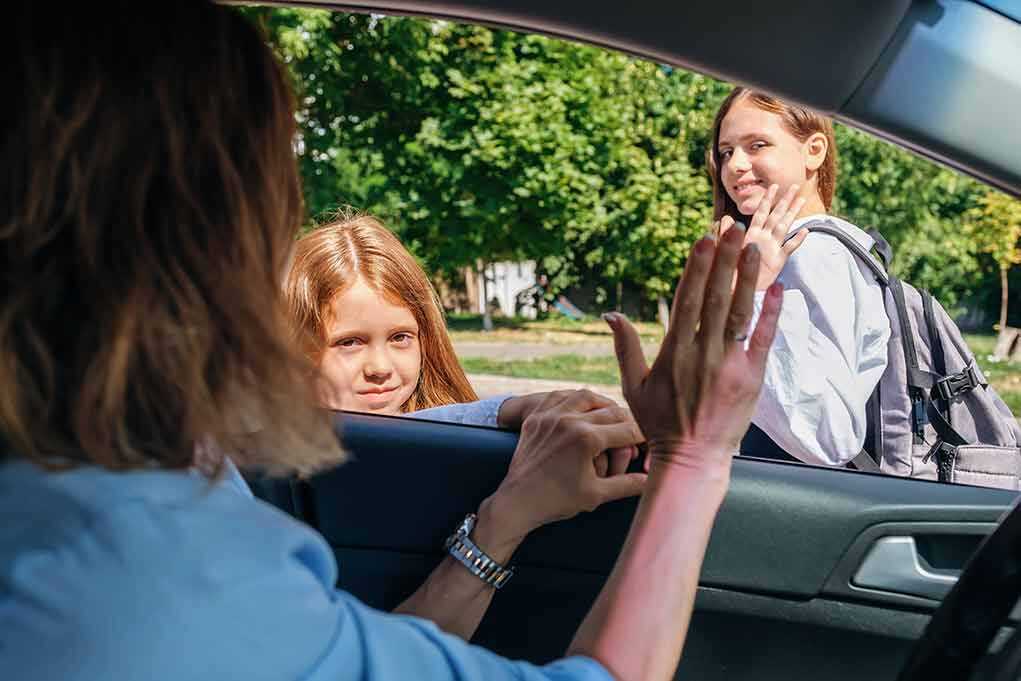
California’s new car-seat rule could force middle- and high-schoolers into boosters unless they pass a strict five-step seat-belt test starting in 2027.
Story Highlights
- AB 435 replaces age and height cutoffs with a five-step seat-belt fit test beginning January 1, 2027.
- Police and medical groups are already circulating the test and its enforcement start date.
- Supporters cite research showing boosters cut injuries for younger kids, but teen-specific benefits remain unclear.
- Critics warn of “nanny state” overreach and question real-world enforcement and travel burdens.
What AB 435 Actually Requires On January 1, 2027
California lawmakers approved AB 435 to change when older children may ride without a booster. The law drops the simple age or height exemption and replaces it with a five-step seat-belt fit test that must be met inside the actual vehicle. The child must sit against the seat, have knees bend over the edge, keep the shoulder belt centered on the chest, keep the lap belt low on the thighs, and hold that position for the whole trip, not just at the start.
The test targets two known risks: a shoulder belt rubbing the neck and a lap belt riding high on the stomach. The law says the shoulder belt needs to cross the middle of the chest and shoulder. The lap belt must be as low as possible and touch the thighs. The standard aims to ensure the belt sits on bone, not soft tissue, which can reduce internal injuries when crashes happen, according to the Assembly analysis language.
How Police And Hospitals Are Rolling Out The Rule
The Los Angeles Police Department posted guidance that repeats the five steps and the January 1, 2027 effective date. It frames the test as the benchmark for parents and officers who need to judge seat-belt fit in the car. University of California, Davis Health shared similar materials to help families understand how to check shoulder and lap belt placement and posture before moving an older child out of a booster seat.
This rule uses an in-vehicle test rather than a birthday. That makes sense on paper because belts and seats vary by car. But it also creates a practical hurdle. Officers would need to judge not only initial fit, but also whether a child could keep that posture for an entire trip. The legislative and outreach documents do not show protocols or citation data that prove consistent enforcement across departments so far.
What The Safety Research Does — And Does Not — Show
Hospitals and safety groups point to research that shows real benefits for younger children. A Pediatrics study using crash data found that kids ages four to eight in belt-positioning boosters had about a 45 percent lower injury risk than those using adult belts alone. That supports the core idea that belt fit matters for smaller bodies. But the strongest quantitative evidence centers on younger ages, not early teens.
The Assembly analysis and public guides explain the rule and the five steps, but they do not present a California estimate of how many injuries or deaths AB 435 will prevent. They also do not show validation of the five-step test as a predictor of crash outcomes for ages eight to fifteen. That leaves supporters leaning on broader child-restraint literature instead of program-specific results for this older group.
Costs, Compliance, And Everyday Life For Families
Families face questions that the texts do not fully answer. A child may pass the test in one vehicle and fail it in another due to seat geometry and belt anchor points. Travel can add friction, since rideshare drivers do not usually carry boosters and rental counters may run short. The law’s “hold position for the whole trip” rule also clashes with typical teen movement, which could make enforcement both subjective and uneven on the roadside.
Police resources are tight in many cities. Education-first outreach can help, but it cannot replace clear, uniform protocols when tickets are on the line. Without statewide data on how many older kids actually fail the test, the public cannot weigh the likely impact against the cost, storage space, and hassle for families with middle- and high-school students. These gaps invite claims of government overreach even as safety advocates stress belt fit and injury mechanics.
Where This Leaves Conservative Parents In Blue-State Policy
California framed AB 435 as a safety upgrade built on fit, not age. The text is clear, and police and hospitals are pushing education. But the state has not shown teen-specific outcome gains or a plan to prove them after rollout. For conservative families, the concern is simple: rules should be limited, measurable, and enforceable. If Sacramento wants posture-based mandates, it should publish hard numbers and enforcement standards parents and officers can actually use in the real world.
Sources:
foxnews.com, health.ucdavis.edu, desertsun.com, yahoo.com