

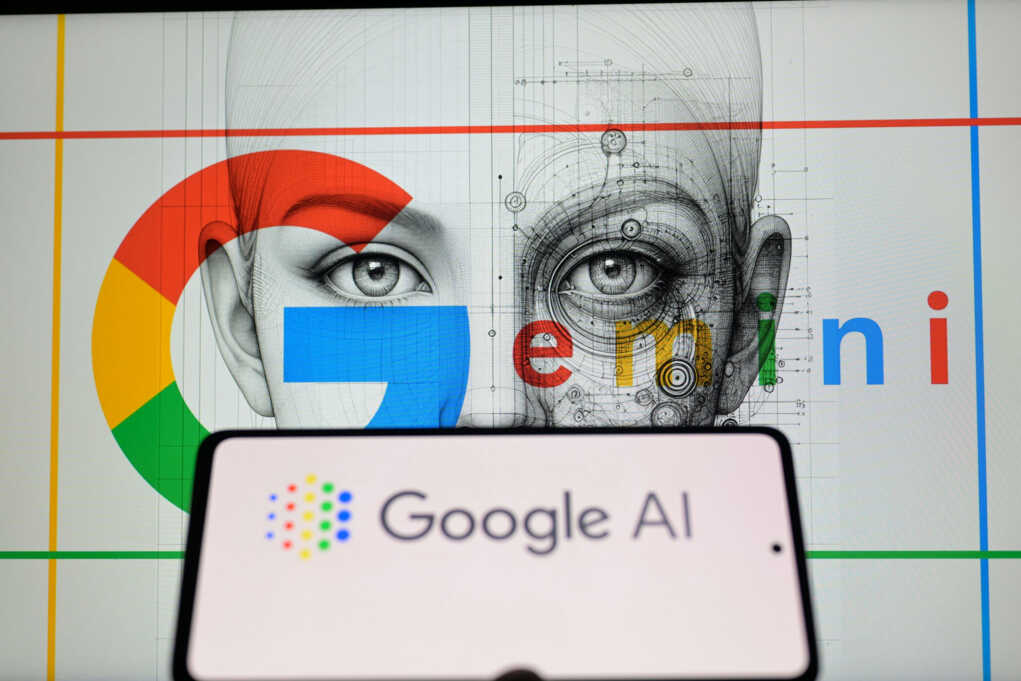
Artificial-intelligence “perfect faces” are invading plastic-surgery consult rooms, quietly warping beauty standards and tempting Big Tech to meddle with our bodies the way it already meddles with our speech and politics.
Story Snapshot
- AI face filters and surgery simulators are now common in cosmetic consultations, reshaping what patients think is “normal.”
- Surgeons warn that AI images fuel unrealistic expectations, privacy risks, and emotional fallout after surgery.
- Industry marketing pushes clinics toward unproven tools even as evidence of real patient benefit remains thin.
- Conservatives who value honesty, modesty, and medical freedom should demand transparency and limits before AI beauty becomes another form of social engineering.
AI Beauty Tools Move From Your Phone Into the Exam Room
Plastic surgeons and trade outlets report that artificial-intelligence imaging tools are now embedded in the consultation process, not just on social media. One trend article notes that clinics increasingly use three-dimensional scans, facial analysis programs, and outcome simulators to “dramatically” improve planning and patient communication, signaling that the technology has moved from hype to daily workflow. These tools let surgeons and patients “play” with facial images on a tablet and explore hypothetical changes before committing to procedures.
Beauty-industry reporting describes one surgeon who has every patient’s face and skin analyzed by an artificial-intelligence scanner sold by a cosmetics-technology company, with images captured on a personal device and manipulated live during consultation to preview potential results. The same coverage warns that as artificial-intelligence apps and online misinformation proliferate, doctors themselves worry that this new technology can fuel unrealistic expectations instead of grounding people in what surgery can safely achieve. These concerns echo broader unease about screen-driven perfection.
From Filters to “Fantasy Faces”: When AI Sets the Standard
Professional commentary from plastic-surgery organizations acknowledges that artificial-intelligence tools are reshaping how patients imagine their post-surgery selves. The American Society of Plastic Surgeons highlights “natural, undetectable beauty” and “anatomy-preserving” techniques as major 2026 trends, an implicit pushback against exaggerated, filter-driven looks that artificial-intelligence visuals often exaggerate rather than correct. Surgeons see a tension between what is medically responsible and what software can conjure with a swipe, especially for younger and more online patients.
Physician-authored articles describe artificial-intelligence systems generating “patient-specific” outcome simulations that supposedly enhance shared decision-making and set “realistic” expectations. Yet the same body of literature admits these tools face privacy, bias, and regulatory challenges, and lacks rigorous validation showing that the images reliably match real-world results. One peer-reviewed investigation into cosmetic artificial-intelligence found that generated faces skewed heavily toward younger, lighter-skinned women and underrepresented older patients and men, reinforcing narrow beauty ideals that clash with American respect for individual dignity and cultural diversity.
Ethical Red Flags: Unrealistic Promises, Privacy Risks, and Emotional Fallout
Plastic-surgery experts warn that once a patient sees an idealized artificial-intelligence image of “what could be possible,” that fantasy can become the expectation, even when surgeons clearly disclose that the picture is not fully achievable in real life. Professional commentary cites concern that such images can lead to dissatisfaction when actual outcomes, though clinically sound, fail to match the software’s polished render. This creates fertile ground for disappointment, regret, and pressure for additional procedures that may not be medically necessary.
Ethics researchers have already documented a real-world case of an aesthetic clinic using a generative artificial-intelligence system to predict rhinoplasty outcomes. The system lacked transparency about its training data and was never systematically audited, yet its simulations were used to guide patient expectations. When post-operative results reasonably differed from the artificial-intelligence previews, patients were dissatisfied despite the absence of surgical error. Analysts flagged the disconnect between the software’s seductive images and its unproven accuracy as a serious informed-consent problem that regulators have not yet addressed.
Big Tech Incentives, Thin Evidence, and the Conservative Patient
Multiple sources admit that the strongest push for artificial-intelligence in plastic surgery comes from industry marketing, not from conclusive evidence of better health outcomes. Clinic blogs and vendor-adjacent articles promote these tools as differentiators that streamline consultations and attract tech-savvy clients, even as they concede that concerns over misinformation, bias, and data security remain unresolved. Researchers note that no generative artificial-intelligence platform in this space has received full approval from federal regulators for core clinical decision-making, underscoring how far practice has raced ahead of proof.
For conservatives, this fight over “AI faces” is not just about aesthetics; it is about protecting human judgment, family values, and personal freedom from yet another layer of digital manipulation. A culture already saturated with hyper-edited social-media imagery now risks importing that fantasy directly into the exam room, where vulnerable patients seek honest counsel, not algorithmic propaganda. Until clinics and technology companies can demonstrate that these tools are transparent, privacy-safe, and clinically validated, patients should treat artificial-intelligence beauty previews like political deepfakes: slick, persuasive, and absolutely not to be trusted without verification.
Sources:
[1] Web – Plastic Surgery Trends for 2026: Facelifts, GLP-1s, AI and More
[2] Web – AI‑Driven Planning: The Future of Personalized Facial Cosmetic …
[3] Web – 2026 Plastic Surgery Trends: What Procedures Are Transforming …
[4] Web – How AI is Beginning to Give Plastic Surgery a Makeover
[5] Web – Looking into the future: Plastic surgery trends for 2026 | ASPS
[6] Web – 2026’s Hottest Aesthetic Trends, AI, and the Next Generation of …
[7] YouTube – 2026’s Hottest Aesthetic Trends, AI, and the Next Generation of …
[8] Web – Facial AI: Cosmetic Surgery in China and the Death of Internets …
[9] Web – The Role of AI in Facial Plastic Surgery Planning | DrFace
[10] Web – AI in plastic surgery: The future of aesthetic treatments | ASPS
[11] Web – Facial Aesthetics in Artificial Intelligence: First Investigation … …
[12] Web – AI in Plastic Surgery: Dr. Horton’s Expert Perspective
[13] Web – Using Generative Artificial Intelligence Tools in Cosmetic Surgery
[14] Web – Will AI Change Plastic Surgery?
[15] Web – AI-supported plastic surgery planning: Is technology changing the …
[16] Web – Impact of Artificial Intelligence (AI) Image Enhancing Filters on …
[17] YouTube – How AI influences plastic surgery