At a time when coastal elites still dream of shutting down American oil, a massive new Alaska project is finally pushing real barrels into the pipeline and strengthening U.S. energy independence.
Story Snapshot
- Pikka Phase 1 on Alaska’s North Slope has reached first oil, with flow established and commissioning underway.
- Backers expect production to ramp up to about 80,000 barrels per day at plateau, using a single well pad and existing infrastructure.
- Industry and local outlets call Pikka the biggest North Slope oil development in decades, promising thousands of jobs and new regional revenue.
- The project showcases how pro-development policy can revive American energy after years of anti-fossil fuel pressure.
A New North Slope Workhorse Finally Comes Online
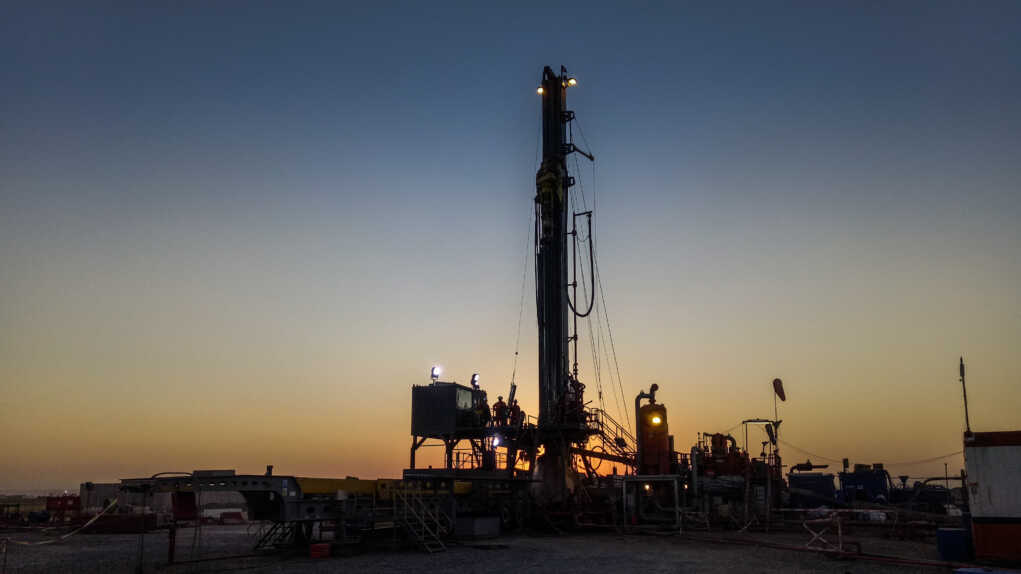
Energy companies Santos and Repsol report that Pikka Phase 1 on Alaska’s North Slope has now reached first oil, marking the start of production from one of the most closely watched American oil projects in years. First oil means crude is flowing through the project’s metering and processing systems, even as final commissioning work continues. Trade coverage notes that the development has reached mechanical completion and is now in the commissioning phase, with output expected to build over time.[5]
Company plans and earlier technical summaries describe Pikka Phase 1 as a single-drill-site development built to integrate into existing North Slope infrastructure, rather than scatter multiple pads across untouched tundra.[2][4] Santos says its Alaska focus is this initial phase, centered on one drill site and an oil processing facility designed for around 80,000 barrels per day once at plateau.[2] Repsol similarly frames Phase 1 as the first step in a larger buildout, with future phases contemplated after initial performance is proven.[4]
Why Pikka Matters For American Energy Security
Repsol’s materials estimate that Pikka targets roughly 397 million barrels of proven and probable reserves in the Nanushuk formation, underlining the field’s long-term importance.[1] Project sponsors repeatedly describe Pikka as the most significant North Slope development in more than twenty years, a claim echoed by Alaska Public Media, which calls it the biggest North Slope oil development in decades.[2][3] That scale matters because Alaska’s legacy fields have been declining, and new volumes help keep the trans-Alaska pipeline operating efficiently.
Production expectations are ambitious but consistent across multiple sources. Santos states that Phase 1 is designed to reach around 80,000 barrels of oil per day at plateau,[2] a figure also cited by Offshore Technology and Repsol.[1][4] Oilprice reporting says first oil is expected to ramp toward that plateau by about the third quarter of 2026, underscoring that this is not just a brief flare of output but a structured development plan.[5] If those projections hold, Pikka becomes a meaningful contributor to domestic supply at a time when global markets remain tight.
Jobs, Infrastructure, And A Reversal Of Anti-Energy Politics
Economic forecasts tied to the project predict more than 2,600 jobs during construction and over 500 roles during operations, according to Offshore Technology’s summary of sponsor estimates.[1] Those numbers are projections rather than audited, but they illustrate why Alaska leaders have pushed for responsible development instead of accepting permanent decline. A single-pad design with 45 wells, supported by a central processing plant and associated pipelines, concentrates activity while leveraging existing roads, pipe corridors, and midstream assets.[1][4]
Repsol notes that Pikka’s onshore location in an established basin allows it to minimize surface footprint by using existing infrastructure and shared facilities, including a seawater treatment plant and operating center.[4] For conservatives who value both stewardship and economic growth, that approach reflects a common-sense balance: use the tools America already built, instead of pretending we can run a modern economy on wishful thinking about intermittent wind and solar. The project’s phased design also gives operators flexibility to adjust capital spending as real performance data emerges.[4]
First Oil Is A Milestone, Not The Finish Line
Even with first oil confirmed, some of the most optimistic claims around jobs, long-term output, and state revenues remain forward-looking. The available record does not yet include regulator-verified production reports or audited fiscal impacts that show how the early flows translate into sustained volumes and tax receipts.[1][2][4] Conservative readers should see this clearly: the project is real, the steel is in the ground, but hard numbers on long-run performance will come from state filings and operating data over the next several years, not press releases.
🛢️🇺🇸 Repsol SA $REP and Santos Ltd $STO officially started first oil production at the Pikka project in Alaska, marking a major milestone for one of the largest new US oil developments in recent years.
Production is expected to ramp up progressively and reach around 80,000… pic.twitter.com/rQLafaMsTi
— LWS Financial Research (@lwsresearch) May 18, 2026
What is already obvious is the contrast with the previous era of federal hostility to fossil fuels. Under earlier administrations, Arctic projects became political punching bags for climate agendas that ignored the reality of global demand. Now, with Pikka moving oil and more capacity coming, the United States is leaning back toward the energy abundance that keeps prices stable, funds public services in states like Alaska, and reduces reliance on unstable foreign producers.[3][5] That course correction matters for every family feeling the bite of energy costs.
Sources:
[1] Web – Pikka Oil Field, Alaska, USA – Offshore Technology
[3] Web – First oil from Pikka ‘imminent,’ as developer hails biggest North …
[4] Web – [PDF] Repsol takes FID for Alaska Pikka development
[5] Web – Santos Holds Guidance as Barossa Nears Startup and Pikka First …