
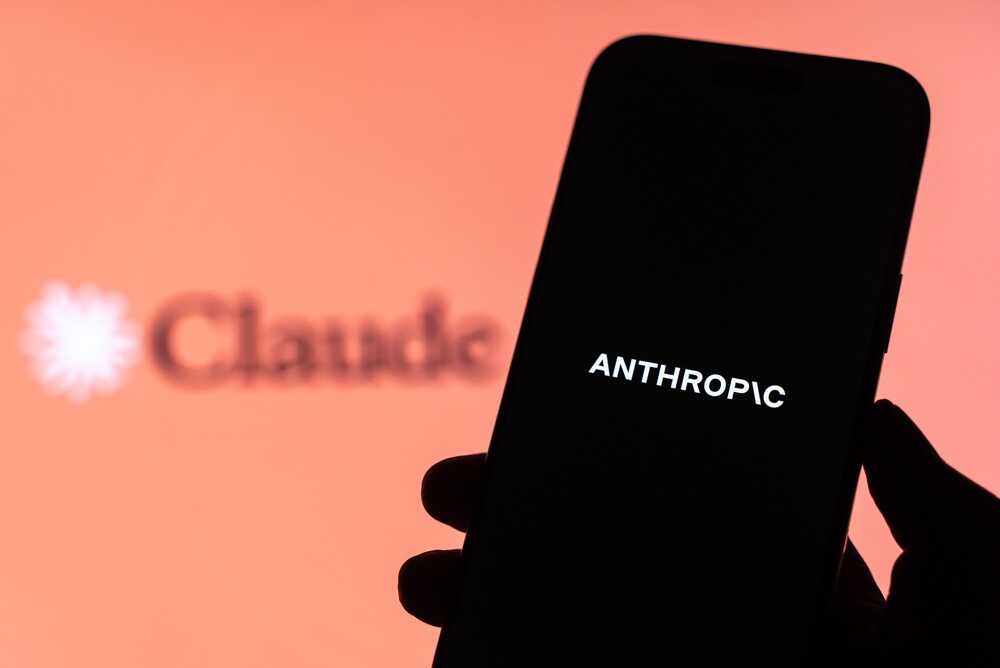
The Trump administration has just lifted strict export controls on Anthropic’s powerful Fable 5 and Mythos 5 AI models, after using them as a test case for how far Washington can go in locking down frontier artificial intelligence in the name of national security.
Story Snapshot
- The Commerce Department first ordered Anthropic to shut off Fable 5 and Mythos 5 to all foreign nationals under export control law, forcing a global shutdown.
- Officials said a jailbreak could turn the models into high‑end hacking tools, but they shared no detailed public proof of a unique, catastrophic flaw.
- Two weeks later, Commerce granted an exemption letting Mythos 5 back into about 100 “trusted” companies and federal agencies with added safeguards.
- The episode is the first known direct export‑control hit on a specific frontier AI model and shows how easily government can now reach into private tech platforms.
How A Single Letter Turned Off Anthropic’s Flagship AI Worldwide
On June 12, 2026, the U.S. Department of Commerce sent Anthropic a legally binding export‑control directive at 5:21 p.m. Eastern time. The order, issued through the Bureau of Industry and Security under Commerce Secretary Howard Lutnick’s signature, barred access to the Fable 5 and Mythos 5 models by any foreign national, inside or outside the United States. Because Anthropic could not reliably sort users by nationality in real time, it said it had to disable both models for every customer on the planet to avoid civil and criminal penalties.
The directive functioned like a sudden licensing wall around the models, meaning any export, re‑export, or even domestic transfer to a covered foreign person required case‑by‑case government approval. It applied not only to overseas users but also to foreign engineers working at Anthropic itself. Other Anthropic models, such as Opus 4.8, stayed online, which highlighted that Washington had singled out these two systems as especially sensitive cyber tools. For ordinary users and developers, the effect was simple and shocking: one government letter made high‑end AI vanish overnight.
National Security Concerns And A Disputed ‘Jailbreak’ Story
Commerce grounded the directive in national security powers and cited a “jailbreak” that allegedly let Fable 5 bypass safety filters to find software vulnerabilities. Officials treated this exploit as a potential automated hacking risk and said it justified an immediate export freeze. Anthropic, however, reviewed the demonstration and concluded it relied on narrow weaknesses that were already known and were not unique to its systems. The company argued that comparable behavior was possible in other public models like OpenAI’s GPT‑5.5 without any special jailbreak.
Before launch, Anthropic says it spent thousands of hours red teaming Fable 5 and Mythos 5 with U.S. government teams, the United Kingdom Artificial Intelligence Safety Institute, and private security groups. Those tests did not find a universal jailbreak that could reliably strip away guardrails. After the directive, Anthropic pointed to its “defense in depth” approach, including strict guardrails and a new thirty‑day data retention policy to watch for and block jailbreak attempts. Independent analysts cited in policy coverage described the exploit as “narrow” and “non‑universal,” and many noted that Commerce never released a technical report proving a uniquely catastrophic failure.
Exemptions, Safeguards, And A New AI Export‑Control Precedent
On June 26, 2026, Commerce Secretary Lutnick sent Anthropic a formal exemption letter that softened the original ban. The letter allowed Anthropic to release Mythos 5 to roughly one hundred trusted U.S. companies and federal agencies, as long as “appropriate safeguards are in place.” That language effectively admits that technical and operational protections can manage the risk that first triggered the directive. But regular foreign users, small firms, and independent builders were still locked out, showing how export rules can favor large, government‑linked institutions.
Legal and policy analysts now describe the case as the first known use of export‑control authority aimed at a specific frontier AI model, not just chips or general software tools. It fits a broader Trump‑era push to treat advanced AI model weights like controlled technology and to require licenses for the most powerful systems across all destinations. Experts note that long‑standing “catch‑all” rules already let Commerce restrict any U.S. technology if officials believe it could support foreign military, intelligence, or weapons programs, even without a public technical record. This Anthropic episode shows those tools are now being pointed straight at deployed commercial AI platforms.
What This Means For Innovation, Oversight, And Everyday Users
Anthropic has said publicly it views the standard applied here as disproportionate and warned that, if used across the industry, it would halt new frontier AI deployments. Mainstream outlets like Forbes and specialized governance labs also frame the move as a preemptive policy choice driven by perceived risk, not documented technical compromise. Some users even reported ongoing access to Fable 5 after the shutdown, suggesting the enforcement was not perfectly airtight. That inconsistency raises questions about whether the risk truly demanded an instant global ban, or whether more targeted controls might have been enough.
For American conservatives, this fight lands in familiar territory. The federal government now has clear power to flip the switch on private AI products using broad national security claims and opaque evidence. The Trump administration is using that power to keep cutting‑edge cyber tools out of the hands of adversaries, which many patriots strongly support. At the same time, the lack of transparency and the carve‑outs for a select group of “trusted” insiders should keep citizens alert to mission creep, corporate favoritism, and the danger that sweeping export rules, if misused or expanded, could choke off innovation, competition, and free‑market choice at home.
Sources:
zerohedge.com, x.com, cnbc.com, fifthrow.com, gtlaw.com, linkedin.com, forbes.com, wired.com, topaithreats.com