
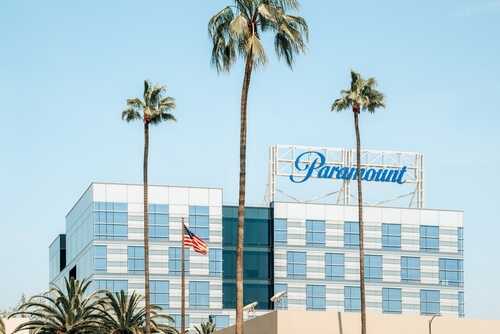
Billionaire investor Mario Gabelli’s firm has sued over the Paramount-Skydance merger, alleging a $37-per-share disparity that benefited insiders at the expense of ordinary shareholders.
At a Glance
- GAMCO alleges insiders received $60 per Class A share while public shareholders got $23
- Class-action lawsuit filed in Delaware Chancery Court represents 750 advisory clients
- Paramount board denied minority shareholder vote on merger terms
- Redstone-controlled entity held decisive influence via dual-class share structure
- Court ruling could set precedent for future mergers involving minority rights
Dispute Over Merger Terms
On August 13, 2025, GAMCO Investors filed a class-action lawsuit against Paramount Global’s controlling shareholder, National Amusements Inc., and its leader, Shari Redstone. The case centers on the $8 billion Paramount-Skydance merger, in which National Amusements allegedly received $60 per Class A share, compared to $23 per share for public investors. Representing approximately 750 clients, GAMCO claims this gap reflects an unfair and deliberate undervaluation of minority shareholders’ stakes.
Watch now: Gabelli Sues Paramount Over Merger Terms · YouTube
GAMCO co-Chief Investment Officer Chris Marangi stated that the firm sought both greater disclosure and a minority shareholder vote before the deal closed. Paramount’s board reportedly rejected these requests, finalizing the merger without input from smaller investors. As a result, GAMCO was compelled to redeem shares for cash, forfeiting ongoing influence in the merged entity.
The Role of Dual-Class Shares
The lawsuit highlights how dual-class share structures can concentrate power in the hands of a few. National Amusements, controlled by the Redstone family, held the majority of voting Class A shares, allowing it to dictate merger terms despite owning a minority of total equity. According to corporate governance analysts, this arrangement gave controlling shareholders disproportionate benefits while limiting minority shareholders’ ability to affect outcomes.
Such structures have been criticized for enabling private gains from public capital while shielding decision-makers from market accountability. Legal observers note that Delaware Chancery Court has, in past rulings, scrutinized similar transactions to determine whether they meet standards of fairness for all shareholders.
Potential Legal and Market Implications
If the court finds in favor of GAMCO, the decision could prompt changes to how mergers involving dual-class companies are negotiated and approved. Possible reforms might include requiring independent board committees to evaluate terms, mandating more detailed disclosures, or ensuring minority shareholder approval in certain transactions.
Conversely, if the court rules in favor of Paramount and National Amusements, the outcome may reinforce the ability of controlling shareholders to set terms without broader investor consent. This could influence governance practices in other industries where family-owned or founder-led firms maintain voting control.
Broader Shareholder Rights Debate
Beyond its immediate financial impact, the case adds to a wider conversation about shareholder equality and market trust. Critics of the current system argue that permitting different classes of stock with unequal voting rights creates persistent power imbalances. Supporters of dual-class structures counter that they allow visionary leaders to focus on long-term goals without pressure from short-term market fluctuations.
Whatever the result, the ruling is expected to have a lasting effect on both investor confidence and the governance frameworks of publicly traded companies. For many, the Paramount-Skydance dispute is not just about one merger—it is a test case for whether corporate governance rules will evolve to give all shareholders, regardless of stake size, a fair voice in major corporate decisions.