
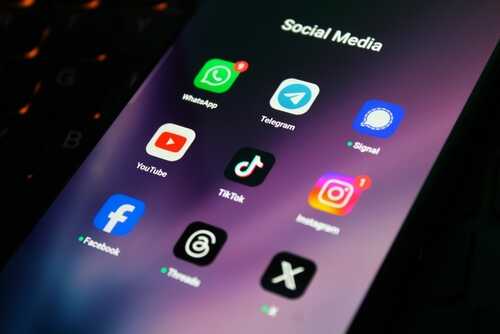
A new proposal from the Trump administration would fundamentally change the travel experience for visitors from visa-waiver countries. DHS and U.S. Customs and Border Protection are pushing to make five years of social media history mandatory for most tourists using the ESTA system, a move intended to implement “maximum vetting” against dangerous actors. The plan has sparked a heated debate, pitting national security goals against serious concerns over privacy, free speech, and the potential for a massive decline in foreign tourism revenue.
Story Snapshot
- DHS and CBP propose making five years of social media history mandatory for most visa‑waiver tourists through ESTA.
- The move fulfills Trump’s demand for “maximum” vetting to keep out criminals, terrorists, and other bad actors.
- Critics warn of privacy violations, chilled speech, and more friction for law‑abiding visitors and business travelers.
- Travel and tourism groups fear the rules will deepen already serious declines in foreign visitors and revenue.
Trump’s “Maximum Vetting” Marches Into Tourists’ Timelines
The Trump administration’s new proposal would transform the Electronic System for Travel Authorization, or ESTA, from a quick pre‑clearance form into a far more intrusive security filter. DHS and U.S. Customs and Border Protection want citizens from about 40 visa‑waiver countries to hand over all social media handles from the past five years, along with extra emails, phone numbers, and family contacts. The stated goal is clear: let fewer unknowns into the country and give agents a fuller digital picture of every traveler.
For many in Trump’s base, this looks like long‑promised “extreme vetting” finally catching up with modern life online. After years of globalist open‑door policies, conservatives watched violent incidents and botched vetting erode trust in Washington’s ability to secure the border. By treating social media as another data stream—no different from fingerprints or passport scans—the administration is arguing that, in a connected world, ignoring what people loudly post online would be reckless rather than restrained.
Security First, Even If Tourism Takes a Hit
This push follows a deadly shooting in Washington where authorities say an Afghan national who entered in 2021 killed two National Guard soldiers. The White House seized on that failure to press for a broader travel‑ban expansion and tighter screening of visitors from dozens of countries. When pressed by reporters about lost tourism dollars and frightened travelers, Trump brushed off concerns, insisting that safety and keeping out “the wrong people” matter more than hotel bookings or airline seat counts.
Tourism and business groups, however, see a mounting price tag. Industry‑linked analyses already project billions in lost travel revenue this year as foreigners think twice about navigating unpredictable entry rules. Adding a requirement to inventory five years of social media history, contact details, and family ties may convince some potential visitors it is easier to vacation elsewhere. That is especially true for small businesses and middle‑class travelers who lack corporate travel departments or immigration lawyers to guide them through shifting requirements.
US could ask foreign tourists for five-year social media history before entry https://t.co/Sk5kaIXibH
— BBC News (World) (@BBCWorld) December 10, 2025
Free Speech Fears and the Power of Digital Dossiers
Civil‑liberties advocates worry about what happens when government agents gain systematic access to years of posts, likes, and private conversations. Reports have already surfaced of travelers being turned away after border officers reviewed messages critical of Trump or containing language agents labeled hateful or dangerous. Moving from ad hoc phone searches to a blanket, pre‑submitted social media profile raises fears that political views, satire, or heated debates could quietly tip an applicant from “low risk” to “inadmissible” without meaningful recourse or explanation.
For conservatives at home, these concerns land in a complicated way. Many readers are rightly outraged by Big Tech censorship, speech codes on campus, and woke HR departments punishing common‑sense views. Those same Americans also know that open borders and weak vetting have real costs in crime, terrorism, and welfare abuse. The core question becomes whether this social media dragnet is a sharp, targeted tool against genuine threats—or a blunt instrument that could one day be turned against our own citizens’ speech in the name of “safety.”
Balancing Sovereignty, Privacy, and America’s Image
The proposal is now in a 60‑day public comment window, a standard regulatory step that rarely stops an administration determined to move ahead. Visa‑waiver countries such as the UK, Germany, Japan, and Australia are already weighing how their citizens will react to sharing handles, family networks, and potentially even biometrics such as DNA or iris scans before boarding a plane. Some foreign governments may quietly accept the new terms; others could face pressure to retaliate with similar demands on American visitors, further complicating global travel.
For Trump‑leaning Americans who endured years of open‑border chaos and soft‑on‑crime policies under Biden, the instinct to lock things down is understandable. Strong borders and serious screening are core to national sovereignty. Yet conservatives also value limited government, restrained surveillance, and clear lines that protect law‑abiding people from fishing expeditions. As this policy advances, the central test will be whether Washington can keep genuine threats out without building a permanent digital dossier system that erodes the very freedoms and rule‑of‑law traditions that make America worth visiting—and defending—in the first place.
Watch the report: U.S. could ask foreign tourists to disclose 5 years of social media history to enter country
Sources:
US plans to introduce mandatory social media checks for visa-free travelers
US could ask foreign tourists for five-year social media history before entry