

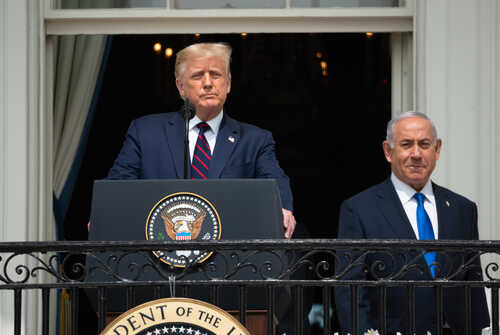
A growing chorus of MAGA-aligned conservatives are condemning Israel’s war in Gaza as “genocide,” but Donald Trump remains firmly loyal to Benjamin Netanyahu and the Israeli military campaign.
At a Glance
- MAGA-aligned Republicans, including Marjorie Taylor Greene, have called Israel’s Gaza campaign “genocide”
- Trump acknowledged Gaza starvation but reaffirmed support for Israeli military actions
- GOP now split between pro-Israel traditionalists and anti-war nationalist populists
- Public disapproval of Israel’s conduct hit 60%, though 71% of Republicans still support Israel
- Trump opposes recognizing Palestinian statehood or pressuring Israel diplomatically
MAGA’s Gaza Break
For decades, unwavering support for Israel was a cornerstone of Republican foreign policy. But now, key MAGA figures are revolting. Representative Marjorie Taylor Greene and a faction of pro-Trump conservatives are decrying Israel’s military operations in Gaza as a humanitarian disaster—and even “genocide.” These voices have begun publicly pressuring the party to reconsider what they frame as “blind loyalty” to a foreign power amid U.S. decline.
Watch: MAGA is split over Israel and Iran. Which way will Trump go?
This marks an unprecedented realignment. Younger evangelicals and populist influencers are demanding a shift in the Republican approach, arguing that American interests and moral leadership require accountability—not unconditional support. The shift has caused open rifts at campaign events, with some pro-Trump groups vocally opposing military aid to Israel and advocating for a more isolationist foreign policy posture.
Trump Doubles Down
Despite the rumbling rebellion within his base, Donald Trump has not budged. Speaking at a Florida campaign stop, he acknowledged “real starvation” in Gaza and announced plans for a U.S.-Israel partnership to build food centers inside the strip. But he stopped short of criticizing Netanyahu or the Israeli military. Instead, Trump reiterated his belief that Israel’s campaign against Hamas was necessary and justified.
He has dismissed accusations of genocide as “radical left lies” and explicitly opposed international recognition of a Palestinian state. Trump warned that concessions to Hamas or diplomatic pressure on Israel would embolden terrorism and destabilize the region further.
Fractures and Fallout
Polls show that the American public is increasingly disillusioned with Israel’s conduct—60% disapprove of its actions in Gaza—but Republicans remain largely supportive. However, within the party, a generational and ideological divide is sharpening. Older evangelicals cling to traditional pro-Israel views, while younger conservatives prioritize America First values and humanitarian concerns.
Strategists warn that this could represent a tectonic shift in the GOP’s foreign policy framework. Trump’s refusal to adjust may preserve his grip on older Republican voters, but risks alienating a new wave of populists who are redefining nationalism through a moral, not just strategic, lens.
The GOP now finds itself in a precarious balancing act: torn between loyalty to Israel and loyalty to an insurgent wing demanding change. If the Gaza war continues and civilian casualties mount, the internal revolt may only grow louder—and harder to ignore.