
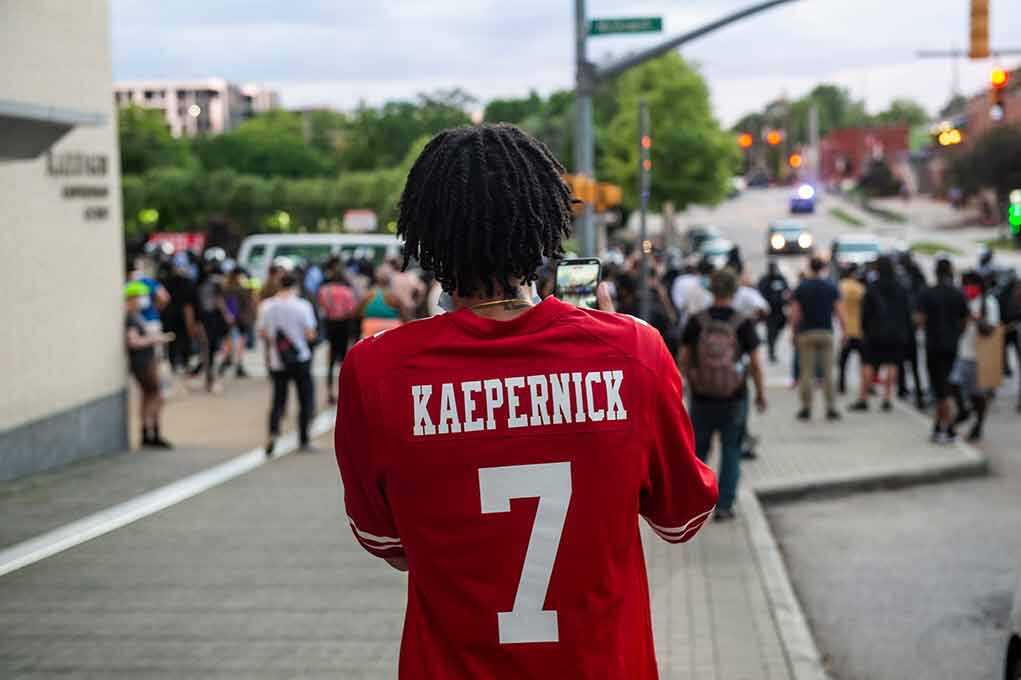
A decade after Colin Kaepernick knelt during the anthem, the dispute over patriotism versus protest still divides the country and sidelines common sense.
Story Highlights
- Kaepernick said he knelt to protest racial injustice and police violence, not the military.
- Major outlets framed the gesture as a racial-justice protest and reported it continued through 2016.
- Critics called the act disrespectful to the flag and service members, sharpening the backlash.
- The record shows clear motive but little proof of direct policy change from the protest.
Kaepernick’s Stated Motive And What He Did
Contemporaneous reports show Colin Kaepernick explained his kneeling as a protest against racial inequality and police violence. Reuters reported on September 1, 2016 that he kneeled during the anthem as part of this ongoing protest and quoted him stressing equal treatment under the law. BBC coverage said he continued kneeling to highlight what he described as oppression of Black Americans, reinforcing that the target was injustice, not troops or veterans. Those accounts anchor the factual core of why he kneeled.
The Guardian captured his core explanation at the time, quoting him refusing to “show pride in a flag for a nation that oppresses” people of color, and stating the issue was bigger than football. These published statements matter because they fix his stated intent in the record. They also clarify a key boundary for today’s debate: whether one sees the anthem as the only sacred symbol at games, or as a moment when free speech also applies.
Public Backlash And The Patriotism Frame
The protest quickly met fierce pushback. The BBC summarized a common criticism that kneeling was offensive to those willing to die for the country, a charge that rallied fans who treat the anthem as untouchable. That line hardened when prominent voices labeled the act disrespectful to the military. This “disrespect” frame eclipsed the policy debate and turned a rights claim into a loyalty test. Many Americans felt the flag and anthem should be above politics.
Academic and media analyses later found news coverage often reduced the issue to patriotism and the anthem, rather than examining police practices or reforms. A peer-reviewed study described the kneel as symbolic protest against injustice, yet noted how framing battles moved attention away from the grievance itself. That shift helps explain why the cultural fight burned hot while concrete policy talk stayed thin. The narrative rewarded outrage more than solutions.
What Changed And What Did Not
The evidence in this record shows intent and message, but it does not tie the gesture to specific policy changes. The research acknowledges a gap between expression and measurable reform. Analysts describe the protest’s clear moral claim, yet they do not present direct primary proof of resulting laws or court rulings linked to his act. That leaves the legacy resting more on symbolism, brand reactions, and debate over patriotism than on statutes changed or agency rules rewritten.
For conservatives, two truths can stand together. First, free speech includes protest we dislike. Second, the anthem and flag deserve respect because they honor sacrifice. Many readers chose service, lost friends, and fold flags for grieving families. When a protest lands during the anthem, it feels like a line-crossing. The public response shows why placement matters. It can drown out the message and harden division rather than build unity around real fixes.
The Lesson For Today: Protect Rights, Preserve Reverence
Ten years on, the kneeling debate still shadows sports, schools, and city councils. Reuters’ reporting confirms why Kaepernick knelt, and BBC and Guardian coverage records how it continued and how he explained it. But the backlash frame keeps returning because Americans link the anthem to duty and loss. That is not just emotion; it is civic memory. We should guard the right to speak and also teach why the anthem moment calls for care and gratitude.
A decade after taking a knee led to Colin Kaepernick's NFL exile, he has continued to double down on his activism.#ColinKaepernick #Kaepernick #49ers #Football #NFL pic.twitter.com/YS8m97tRBS
— The Associated Press (@AP) September 1, 2026
Moving forward, leaders can hold two lines at once. Encourage debate about policing in the proper forums, and keep unifying civic rituals free from gestures that many see as dishonor. That balance respects the Constitution and the people who defend it. It also keeps attention on solutions, not stunts. If the goal is change, then clarity, respect, and facts must lead. When those guideposts hold, America gets safer, freer, and more united.
Sources:
bbc.com, levisstadium.com, aclu.org, nytimes.com, si.com, theguardian.com