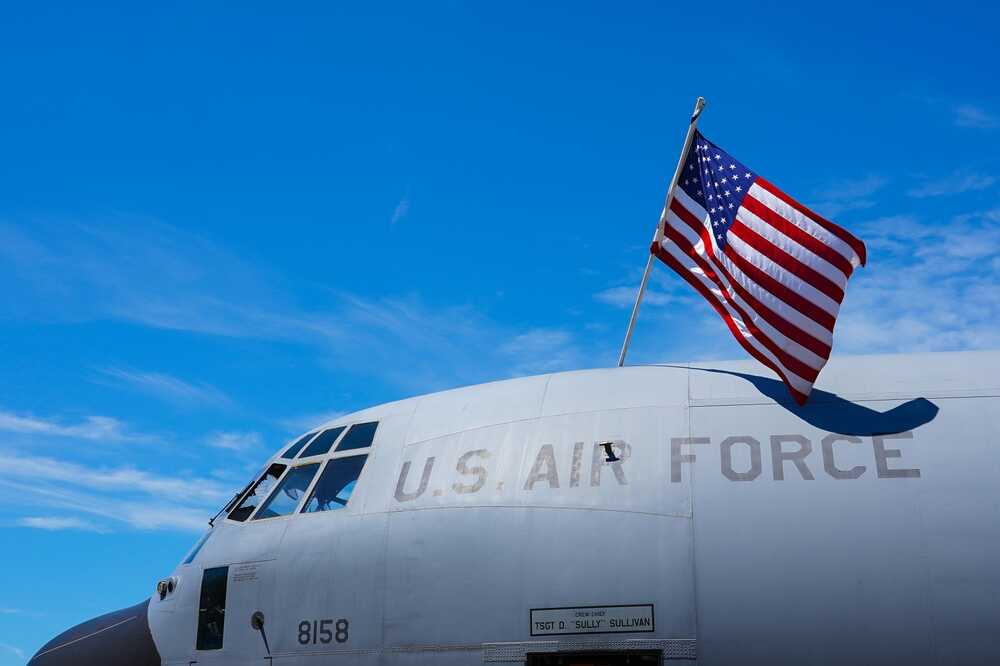
The U.S. Air Force confronts a staggering 1,800-pilot shortage, hemorrhaging multi-million-dollar strategic assets to airlines dangling $550,000 salaries—a glaring failure of federal mismanagement that jeopardizes national security.
Story Snapshot
- Air Force faces ~1,800 open pilot positions as airlines hire 7,600 ex-military pilots yearly.
- Commercial salaries reach $450,000–$550,000, doubling the military’s $200,000 pay cap.
- Pentagon invests $11 million+ per pilot, yet loses talent to better pay and lifestyles.
- Shortage persists 8+ years, straining readiness and training amid high op-tempo.
- Congressional scrutiny grows; no major fixes announced by April 2026.
Pilot Retention Crisis Deepens
The U.S. Air Force reports approximately 1,800 unfilled pilot positions in April 2026. Major airlines like United, Delta, and American aggressively recruit, hiring 7,600 military-trained pilots annually. These carriers offer salaries from $450,000 to $550,000, surpassing the Air Force’s $200,000 base pay ceiling by more than double. Pilots, trained at costs exceeding $11 million each for fighter roles, exit early for financial gains and improved quality of life. This exodus strains training pipelines and elevates operational demands on remaining personnel.
Historical Roots and Persistent Shortfall
Pilot shortages originated post-2016, with 1,555 total deficits by fiscal year end, including 1,211 fighters, equating to $12 billion in lost capital. The gap hovered at 1,800–2,000 for eight years through 2024, reaching 1,850 total pilots short that year. Factors include high retirements, pandemic disruptions, and the 1,500-hour rule bottlenecking civilian training. Military pilots qualify instantly for airlines, enabling one-third to transition directly. Retention failures shrink the pipeline feeding commercial aviation.
Stakeholders and Power Imbalances
The Pentagon and Air Force bear the brunt, investing heavily in pilots described as 7–8 figure strategic assets. Air Force Chief of Staff Gen. Charles Q. Brown Jr. states cockpits remain 100% manned by slashing staff roles to 70% capacity. Sen. Tom Cotton (R-AR) presses accountability in Senate hearings. Airlines wield leverage through $7,500 signing bonuses and seniority systems favoring early military exits. Pilots prioritize doubled pay and stable schedules over service demands.
Power dynamics favor airlines, draining taxpayer-funded expertise. Congress influences via funding, yet eight-year persistence signals bureaucratic inertia. Military families suffer instability, while juniors fill experience gaps, eroding combat proficiency.
U.S. Air Force Faces an 1,800-Pilot Deficit as Commercial Airlines Offer $550,000 Salaries. The Pentagon Is Losing Its Most Expensive Strategic Investmenthttps://t.co/kFwIEyka9b
— 19FortyFive (@19_forty_five) April 19, 2026
National Security and Economic Ramifications
Short-term effects include intensified operational tempo, junior pilots in senior roles, and readiness degradation. Long-term, combat capabilities weaken, posing risks in conflicts where attrition demands rapid replacements. Economic toll mounts with soaring retraining costs; prior deficits already cost $12 billion. Aviation faces a “perfect storm”—military, commercial, and private sectors compete amid flight cancellations and instructor shortages. Political debates intensify over federal failures to retain talent.
Sources:
Pilot Demand and the Ongoing Pilot Shortage in the United States
Congressional Hearing on Pilot Shortages
Air Force Reviews Non-Flying Roles Amid Pilot Shortage