

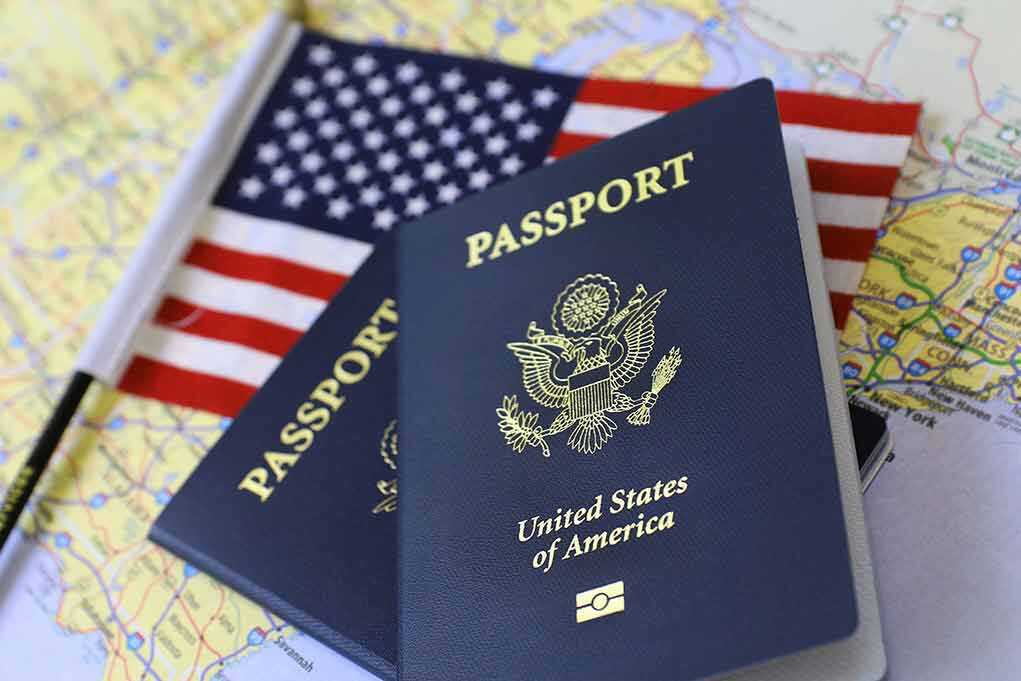
A Colombian national stole an American’s identity, got a U.S. passport, and voted in elections for years — and the system missed it until now.
Story Snapshot
- Federal prosecutors say Carlos Felipe Jaramillo-Grajales used a stolen identity to obtain a U.S. passport and vote.
- A federal judge sentenced him to three years in prison after his guilty plea to multiple felonies.
- The case exposes long-running gaps in identity checks across federal and state systems.
- The charges include aggravated identity theft and a false claim of U.S. citizenship tied to voting.
Federal Case: What Prosecutors Proved In Court
United States prosecutors in Florida said Carlos Felipe Jaramillo-Grajales, a Colombian citizen living in Jacksonville, stole the identity of an American and used it for decades. Prosecutors said he used the victim’s name, birth date, and Social Security number to obtain a U.S. passport and to vote. A federal judge sentenced him to three years in prison after he pleaded guilty to passport fraud, aggravated identity theft, false Social Security claims, and falsely claiming U.S. citizenship to vote.
Court records described a long-running scheme that blended federal document fraud and voter deception. Prosecutors said Jaramillo-Grajales falsely presented himself as a citizen to gain benefits only citizens can receive, including the right to vote. Aggravated identity theft carries a mandatory penalty under federal law, which the judge applied at sentencing. The U.S. Attorney’s Office said the case shows what happens when stolen identities slip through weak identity checks for years.
How The Fraud Worked And Where Systems Failed
Investigators said the fraud hinged on a clean match: a real citizen’s biographical data and Social Security number. When those numbers lined up, systems trusted the applicant. That trust opened doors to a passport and voter access. The Department of Justice described false statements on federal forms and a false claim of citizenship linked to voting, which is a federal crime. The case reveals a core risk: identity vetting often checks boxes, not people.
Federal statutes make this conduct clear and criminal. The aggravated identity theft law adds prison time when a person uses someone else’s identity in connection with listed felonies, such as passport fraud. Federal law also bars false claims of U.S. citizenship, including for voting or receiving benefits tied to citizenship status. Prosecutors said Jaramillo-Grajales crossed both lines. The judge’s sentence followed those statutes and the facts the defendant admitted in his plea.
Election Integrity Stakes: Rare Does Not Mean Risk-Free
Research groups often say proven noncitizen voting is rare compared to the size of U.S. elections. Reviews of election fraud cases report very low incident rates across many cycles. Even those studies, however, still log cases where noncitizens voted or registered, showing the problem does exist at low levels. This case shows how one determined person can abuse weak identity checks to cast illegal votes and obtain powerful documents.
Conservatives care about both truths at once: the base rate is low, and the duty to secure each legal vote is high. Every illegal vote cancels an honest vote. This case shows why states and federal agencies must tighten identity checks without burdening lawful voters. Stronger database matching, real-time cross-checks, and faster fraud flags can stop similar schemes early. When systems trust numbers more than people, bad actors exploit the gap — sometimes for decades.
Accountability And Next Steps Under Current Leadership
Federal prosecutors secured a conviction and prison time. That is accountability, but it came late. The damage included stolen identity, a fraudulently issued passport, and illegal voting. Under President Trump, agencies have emphasized law and order and stronger border and identity enforcement. Congress and the administration can now push upgrades that tie voter registration, Social Security records, and passport systems into tighter loops while guarding civil liberties and due process.
Common-sense steps can help. States can verify citizenship more reliably at registration by using secure federal data checks. Election offices can flag mismatches and require timely proof before adding a voter. Federal agencies can audit passport applications when Social Security or birth data raise red flags. Clear penalties, swift prosecutions, and fast information sharing will deter copycats. The lesson is simple: trust, but verify — and verify with real tools, not guesswork.
Why This Case Matters For Families And Taxpayers
Identity theft is not victimless. It harms the citizen whose name was used and undermines faith in public records. Illegal voting chips away at election trust. Taxpayers fund the clean-up when fraud spreads across agencies. This conviction shows the law can work. It also shows why we need better front-end checks, so honest families are protected and every legal vote counts exactly once. Secure identity and secure elections go hand in hand in a free country.
Sources:
redstate.com, x.com, uscis.gov, brennancenter.org