China’s rulers now say a lone pilot “chose” to slam his tiny plane into Beijing’s tallest tower—but they still refuse to show the evidence.
Story Snapshot
- Chinese officials claim the Beijing tower crash was a deliberate “aircraft-assisted suicide” based on the pilot’s diary and mental health history.
- The government has not released the diary, flight data, or cockpit recordings to prove intent, leaving the public dependent on state-controlled summaries.
- This fits a broader pattern where Beijing controls crash narratives while hiding key facts, as seen after the 2022 China Eastern disaster.
- Global research shows pilot suicides by aircraft are rare, and serious investigators normally demand strong evidence before using that label.
Beijing’s official story: a lonely pilot and a “personal reasons” crash
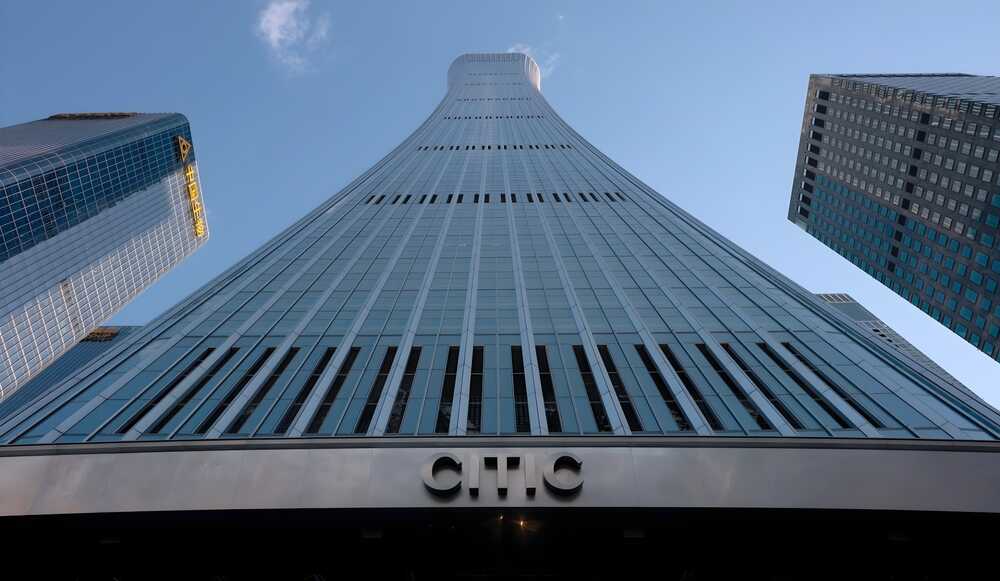
Chinese authorities now say the June crash of a Sunward SA60L light sport plane into Beijing’s 109‑story CITIC Tower was caused by a pilot who wanted to end his life. Officials identified the pilot only by the surname Liu, age 66, divorced, living alone, with no steady job. In their statement, the Chaoyang District government said Liu had “long suffered from insomnia and anxiety” and wrote in his diary about “ending his life” many times. They officially labeled the event a public safety case driven by “personal reasons,” not a mechanical failure or political act.
Investigators say Liu was flying solo and deliberately left his approved route before the plane struck the side of the skyscraper. The crash killed Liu and injured 13 people on the ground, who were treated at local hospitals. Reports describe the aircraft as a domestically made Sunward Aurora sport plane registered to a regional training center. At first, officials only confirmed the death and injuries and said the cause was under review. Days later, they pushed a clear suicide narrative, tying it to his health problems and diary instead of any security failure or system flaw.
Evidence we still have not seen from the Chinese state
For now, the backbone of Beijing’s story is a diary the public has never seen. Officials say Liu “repeatedly mentioned his desire to end his life” in that notebook. But they have released no pages, no photos, and no independent expert review. There is also no shared cockpit voice recording or flight data that would show how and when he left his route, or what he said in his final minutes. Without these basics, people inside and outside China must simply trust the same state that censors debate and controls every part of the aviation investigation process.
The Civil Aviation Administration of China, the national regulator, runs crash probes under tight government control. When the state itself is under pressure, that structure invites obvious questions. In freer systems, investigators do not call a crash a suicide unless they can point to clear proof, such as a note, spoken threats, or a strong record of suicidal behavior. In China, we are told these elements exist, but only in closed files. There is no named independent psychiatrist, no court report, and not even the pilot’s full name for outside checking.
A pattern of secrecy: from the Beijing tower to China Eastern 5735
This tower crash comes just as new American data exposes how China hid key facts about a much deadlier disaster. In 2022, China Eastern Flight 5735 plunged into a mountain, killing all 132 aboard. A recent report by the United States National Transportation Safety Board found that fuel to both engines was cut off on purpose and there was a struggle in the cockpit as one pilot tried to save the plane while another forced it down. Aviation experts say the 737’s fuel levers must be pulled out by hand and lock in place, making “accidental” cutoff almost impossible.
Chinese officials knew early on that something inside the cockpit was wrong, but they have still not issued a full public report four years later. They earlier claimed that giving more detail could threaten “national security and social stability,” and they never openly named pilot suicide as a cause. American findings now show strong signs of an intentional act, matching what many suspected. That history matters. It shows a government willing to hide suicide evidence when it hurts the regime, and to push a suicide story when it shifts blame away from larger failures—like gaps in air defense or weak oversight of general aviation.
How rare pilot suicides really are—and why real proof is vital
Aviation researchers agree that pilot suicides are possible but rare. One long‑term study of fatal airplane crashes in the United States found that only about 0.33 percent involved “aircraft‑assisted suicide.” Another review of pilot mental health found depression and stress issues but still treated suicide events as uncommon and serious outliers. Because these cases are so rare and so shocking, professional investigators are careful before using the word “suicide.” They normally demand compelling evidence of intent, such as a suicide note, clear threats, or a recorded last statement that matches the crash behavior.
Three Days After the Crash, Beijing Posted a Radar Truck at China Zun. The Photo Outran the Censors.
The footage circulating outside the firewall is brief and unmistakable: a special-purpose police vehicle parked at the base of CITIC Tower, its flat-panel antenna rotating slowly… https://t.co/gNC2UFnbjC pic.twitter.com/dKB50xpSEX
— Aric Chen (@aricchen) June 29, 2026
In China’s Beijing tower case, we are told that the diary and health records prove intent—but none of that proof is open to public review. In the China Eastern case, data now shows actions in the cockpit that strongly suggest suicide, yet Beijing has not shared a full report or accepted that label. Taken together, this leaves a simple lesson for American readers who care about truth and safety. When a one‑party state controls the evidence, the story you hear may serve politics first and facts second. Demand real data, independent eyes, and open debate whenever any government calls a deadly crash “suicide,” especially when that same government keeps the key documents locked away.
Sources:
insiderpaper.com, thestar.com.my, firstpost.com, washingtonpost.com, wsj.com, ynetnews.com, facebook.com, economictimes.com, avweb.com, instagram.com