Federal subpoenas just put Wall Street on notice: “debanking” conservatives and disfavored industries may finally face real scrutiny.
Story Highlights
- Justice Department subpoenas target account closures at JPMorgan, Bank of America, and Wells Fargo [5].
- Requests reportedly seek names of affected customers and banks’ stated reasons for shutting accounts [1].
- Inquiry aligns with President Donald Trump’s push to examine discrimination against conservatives and key industries [1].
- Bank responses and full subpoena texts are not public, so findings remain pending [6].
What The Subpoenas Mean And Why They Matter
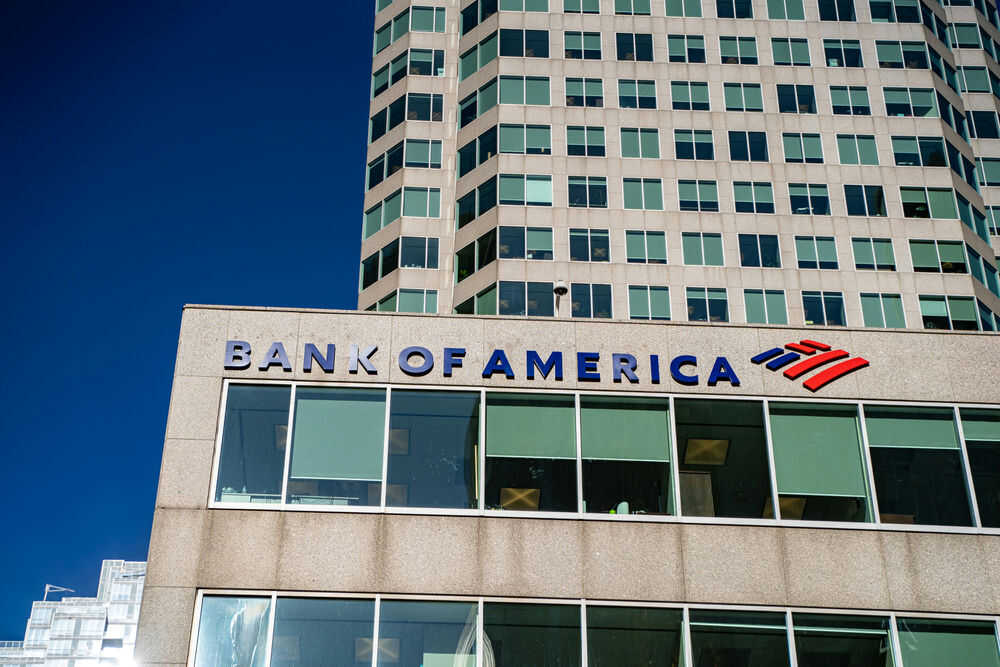
Justice Department investigators reportedly sent subpoenas to JPMorgan Chase, Bank of America, and Wells Fargo seeking records on account closures and the reasons behind them. That step signals a formal probe, not just talk or letters. Reports say the Department of Justice wants banks to identify customers who lost access and explain why. If political or industry bias drove those choices, that could violate the law or guidance. If risk rules drove them, records should show it clearly [1][5].
Conservative families, faith groups, energy producers, and gun businesses have warned for years about sudden account shutdowns. They describe letters with vague “risk” language and no appeal. They say the pattern chilled speech and trade. The reported subpoena scope suggests investigators are testing those claims with data, emails, and policies. That approach could separate true fraud or sanctions risk from bias masked as “reputation” or “policy” concerns [1][3].
How This Fits Trump’s Anti-Debanking Push
Reports link the subpoenas to President Donald Trump’s broader effort to stop banks from punishing lawful political views or disfavored sectors. Prior coverage also notes a lawsuit Trump filed in January seeking damages over an alleged politically motivated account severing. Together, these tracks show the issue is not a one-off headline. The administration is pressing for records, accountability, and clear rules that protect legal commerce and viewpoint neutrality in core financial services [1].
The Office of the Comptroller of the Currency reportedly found preliminary signs that nine major banks may have denied services to oil and gas firms and firearms businesses. That early signal does not prove a final violation, but it raises serious questions. Energy and gun industries are part of America’s backbone. Cutting them off from banking can hobble jobs, shrink local tax bases, and undermine lawful trade. The subpoenas could test whether closures followed neutral, documented standards or crossed into bias [1].
What We Know, What We Do Not, And What Comes Next
The public record confirms reported subpoenas and their general aims. It does not include the actual subpoena texts. It also does not include bank-side policy manuals, internal emails, or sworn testimony. That means the exact legal theory and scope are not yet visible. The banks and the Department of Justice have not detailed responses in public reports. The facts will turn on document trails, data sets, and interviews, not talking points or press releases [1][6].
DOJ subpoenas JPMorgan, BofA, and Wells Fargo.
Prosecutors are forcing the three banks to hand over lists of customers whose accounts were closed for political reasons and explain each closure. pic.twitter.com/RkEeQDssc0
— Khaled Arnaout (@KhaledonChain) June 11, 2026
Investigators will likely compare closure rates, reasons, and timing across customer groups. They will look at whether political activity, faith ties, energy work, or firearms sales correlate with shutdowns. They will also assess anti-money-laundering and fraud flags to see if risk justifies actions. If evidence shows bias, expect enforcement and possible settlements. If files show neutral rules applied fairly, that will matter too. Either way, sunlight can restore trust that banks serve lawful customers, not partisan agendas [3].
What It Means For Your Wallet And Your Rights
Bank access is not a luxury. Families need checking accounts to pay bills. Small businesses need credit lines, payment rails, and payroll processing. When a bank caves to ideological pressure, regular people pay the price. Higher costs, fewer choices, and lost time hit hardest in smaller towns and working communities. A fair probe can deter quiet blacklists that dodge debate. It can also protect legal speech, faith, energy jobs, and the right to defend your family’s livelihood [1][3].
How To Stay Protected While The Probe Unfolds
Customers should keep records of any warning letters, unexplained freezes, or closure notices. Ask for written reasons. If denied, note who refused and when. Consider diversifying accounts across institutions when possible. Local and regional banks or credit unions may offer steadier service for lawful businesses. If you believe politics drove a closure, consult counsel and report details to appropriate authorities. Good notes help investigators separate real risk from ideology masked as procedure [3].
Bottom Line
Federal subpoenas are a serious step, not a final verdict. They can expose whether “debanking” hit conservatives and vital industries or whether banks followed neutral, documented risk rules. The Trump administration promised a hard look, and now the records phase begins. The goal is simple: keep the financial system open to all lawful Americans, not just those who match a boardroom’s politics. That is common sense, and it is vital to a free, strong country [1][5][6].
Sources:
[1] Web – DOJ Probes JPMorgan, Bank of America, Over Political Account Closures
[3] Web – JPMorgan DOJ Subpoenas Put Debanking Policies And Investor …
[5] Web – DOJ subpoenas banks in so-called ‘debanking’ probe – report
[6] X – The US Justice Department has issued subpoenas to major banks …