

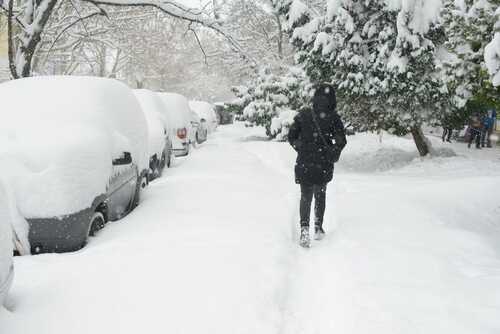
The first major winter storm of 2026, an intense Arctic blast, has forced the closure of approximately 100 schools across northern Scotland. The severe weather, which includes yellow warnings for snow and ice across the northern UK, is causing widespread post-holiday disruption. Health authorities have upgraded alerts to an amber level, warning of significant impacts on vulnerable populations as the cold spell is expected to persist through the first week of January.
Story Highlights
- Met Office issues yellow warnings for snow and ice across northern UK, forcing widespread school closures.
- Around 100 schools in northern Scotland shut down as Arctic air brings first major winter storm of 2026.
- Health authorities upgrade alerts to amber level, warning of significant impacts on vulnerable populations.
- Snow accumulations up to 25cm expected in Yorkshire hills, with travel disruption lasting through Thursday.
Arctic Assault Hits Post-Holiday Return
The Met Office activated yellow weather warnings across the northern half of the UK as Arctic air unleashed the first significant winter storm of 2026. Strong northerly winds drove wintry showers across multiple regions, creating hazardous conditions precisely when families prepared for post-New Year school returns. The timing maximizes disruption to working parents and students already adjusting to routine schedules after the holiday break.
Schools closed and travel disrupted after heavy snowfall https://t.co/HtRzCuqnlp
— BBC North East Scot (@BBCNorthEast) January 5, 2026
Widespread School Closures Protect Students
Approximately 100 schools in northern Scotland closed their doors as lying snow accumulated across the region. Local authorities prioritized child safety over operations, making decisive calls to prevent students from traveling on dangerous roads. The closures demonstrate responsible governance as school districts weigh genuine safety concerns against educational disruption, protecting families from unnecessary risks during severe weather conditions.
Multi-Region Weather Emergency Unfolds
Weather warnings expanded beyond Scotland to encompass Northern Ireland, north-east England, Yorkshire, and parts of Wales. The North York Moors and Yorkshire Wolds face the heaviest snowfall, with accumulations reaching 15-25cm on hills above 100 meters. Coastal areas experience frequent North Sea-fed showers, while inland regions battle widespread frost formation during overnight hours, creating treacherous ice conditions for morning commuters.
Met Office Deputy Chief Forecaster Mark Sidaway warned the cold spell will persist through at least the first week of January. His forecast emphasizes the storm’s duration rather than intensity, suggesting sustained disruption ahead. The UK Health Security Agency upgraded cold health alerts to amber status across nine regions, including major population centers like London, Birmingham, and Manchester, acknowledging serious threats to public welfare.
Health Warnings Target Vulnerable Populations
The UKHSA amber alerts cover critical regions from December 31 through January 6, warning of significant impacts on health and social care services. Elderly residents and those with pre-existing medical conditions face heightened risks during prolonged cold exposure. This represents sound public health policy, prioritizing protection for citizens most vulnerable to weather-related illness and death during extreme temperature events.
Transport agencies across affected regions advised travelers to allow extra time for journeys as road conditions deteriorated. Power outages remain possible as infrastructure strains under ice accumulation and high winds. The coordinated response between meteorological, health, and transportation authorities demonstrates effective emergency management during natural disasters that threaten community safety and economic activity.
Watch the report: Yellow warnings for snow and ice still in place as wintry weather continues
Sources:
- Schools closed and travel disruption as more snow and ice grips UK
- UK school closures today: Snow and ice weather warnings
- Snow ice warning cold new year UK
- Floods and snow close schools across the UK full list of school closures