

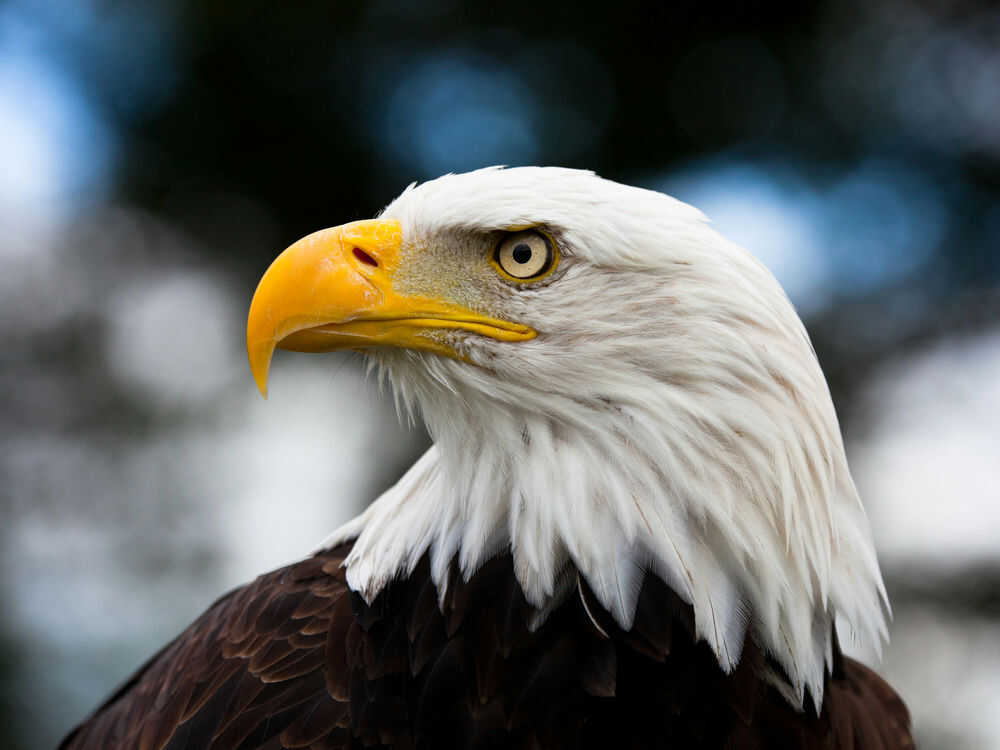
A Texas man’s guilty plea for killing a bald eagle on his own property is now a national test of how far federal power can reach into Americans’ backyards.
Story Snapshot
- Texas resident admits in federal court to shooting a bald eagle at his home and now faces prison.
- Case hinges on a sweeping wildlife law that still tightly controls America’s national symbol.[1]
- Media headlines push a simple “cruelty” narrative while key case details remain sealed in court files.[1][2][3]
- The incident raises hard questions about federal reach onto private land and prosecutorial narrative control.
What Prosecutors Say Happened In That Texas Backyard
Federal prosecutors in the Southern District of Texas say forty‑two‑year‑old Santos Guerrero admitted he shot a bald eagle at his residence in Porter on October 11, 2024.[1] According to the United States Attorney’s Office, Guerrero entered a guilty plea in federal court to “shooting and causing the death of a protected species,” language that triggers serious penalties under federal wildlife law.[1] A federal magistrate judge accepted the plea and set sentencing for July 30, where Guerrero could receive up to one year in prison and a one hundred thousand dollar fine.[1][3]
Authorities say they responded after receiving reports and video showing the eagle perched in a tree, being shot, and falling.[1] Investigators went to Guerrero’s property, matched the tree on his land to the one in the video, and located the bird alive but gravely injured.[1] The eagle was transported to an animal hospital but ultimately had to be euthanized because of the severity of its wounds.[1][3] A necropsy later concluded the bullet badly damaged the bird’s wing, while the fall caused liver fractures, internal bleeding, and a fractured leg, tying the shot to the fatal outcome.[1]
The Bald and Golden Eagle Protection Act And Federal Power
The Bald and Golden Eagle Protection Act, the statute at the center of this case, makes it a federal crime to kill, possess, sell, transport, export, or import any bald or golden eagle, alive or dead, including their parts, nests, or eggs, without a federal permit.[1] Bald eagles are no longer listed as an endangered species, but the law’s protections remain firmly in place, giving Washington significant say over what happens on private property whenever this national symbol is involved.[1][3] Fish and Wildlife Service agents and Texas Parks and Wildlife officers handled the investigation, underscoring the close partnership between federal and state authorities in enforcing these rules.[1]
For law‑and‑order conservatives, the principle that you do not kill America’s national bird resonates strongly, yet this case also highlights how broad federal statutes can be used in high‑profile situations.[1][2] The maximum sentence of one year behind bars and a six‑figure fine reflects Congress’s decision to treat harming a symbol of the nation as a serious federal offense, even when the conduct occurs entirely on private land.[1][3] Supporters argue these penalties deter poaching and protect a hard‑won conservation success, while critics worry they give federal agencies another lever to insert themselves into local matters whenever headlines are likely.
Missing Facts, Media Spin, And What We Still Do Not Know
What remains striking is how little the public actually knows beyond the prosecution’s press release and brief local coverage.[1][2][3]
A Texas man could serve jail time after pleading guilty to shooting a bald eagle at his home in 2024, which is a violation of federal law. https://t.co/xcyQIdYdom
— World News Tonight (@ABCWorldNews) May 15, 2026
National and local outlets quickly pushed the same tight storyline: a Texas man “admits to killing a bald eagle” and faces prison time, often collapsing the difference between an allegation, a plea, and a final sentence.[2][3] That is typical of what researchers call “symbolic species” enforcement, where cases involving culturally powerful animals like bald eagles are packaged as simple morality tales rather than complex questions of law and evidence.[1] When the United States Attorney’s Office controls the primary narrative and social media amplifies headlines, there is little space for nuance about mens rea, property rights, or prosecutorial discretion.[1][2][3]
Sources:
[1] Web – Suburban Houston resident admits to killing bald eagle
[2] Web – Houston-area man admits to killing bald eagle near Porter home
[3] Web – Man admits to shooting bald eagle, could face prison time – ABC News