
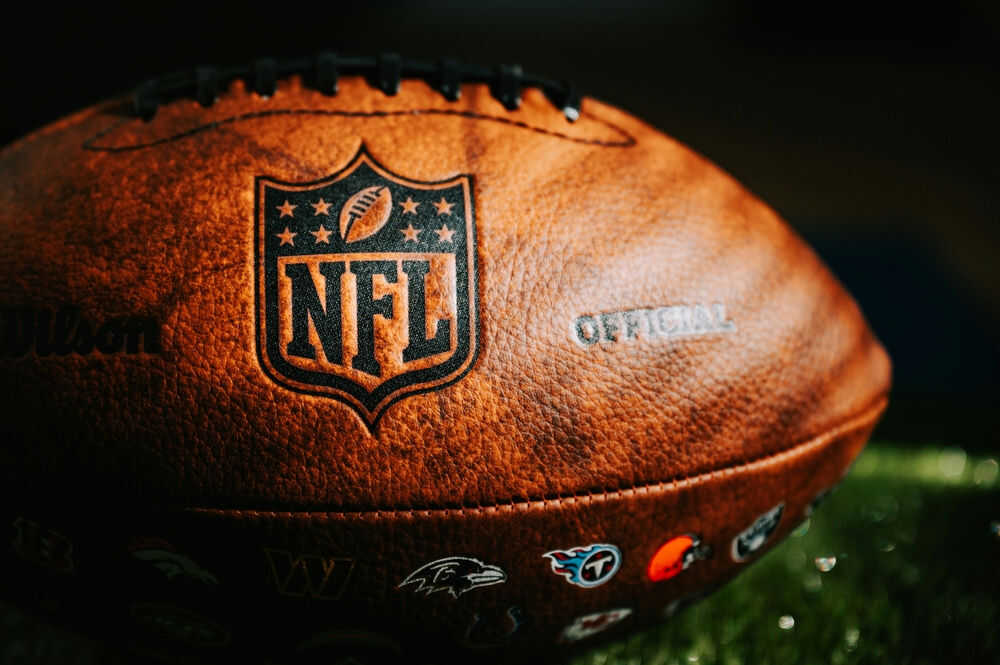
As Washington probes whether the NFL is gouging fans with streaming fees, Minnesota Vikings head coach Kevin O’Connell is being dragged into the controversy over how ordinary Americans can afford to watch their own team play.
Story Snapshot
- The U.S. Department of Justice is investigating if the NFL’s streaming deals overcharge fans and violate antitrust laws.
- Republican Senator Mike Lee pushed for the probe, warning that fans can pay close to $1,000 and juggle up to 10 services just to watch every game.
- The NFL claims 87% of games are “free” on broadcast TV, but congressional data suggests real free access is far lower and deeply fragmented.
- Vikings coach Kevin O’Connell now faces questions as part of a wider debate about whether the league values fan access or only media cash.
DOJ looks at NFL streaming while fans feel priced out
The U.S. Department of Justice has opened an antitrust investigation into the National Football League’s streaming and television model, focusing on whether fans are being forced to pay excessive subscription fees to watch games. Antitrust lawyers in the department are asking if licensing games across many paid platforms has crossed the line from healthy competition into a cartel-style system that locks ordinary viewers out. The probe centers on consumer affordability and whether the modern NFL media system still serves the public, or only tech giants and league owners.
Lawmakers and regulators say the problem is not just the price of a single service, but the way the league has chopped up rights across cable, streaming, and special out-of-market packages. To follow one team, many fans now need traditional cable plus high-speed internet and extra subscriptions to services like Netflix, Amazon, Peacock, ESPN and the “Sunday Ticket” out-of-market bundle. That bundle alone has cost hundreds of dollars per season, and critics argue the combined bills can easily reach the high hundreds for a family that loves football.
Senator Mike Lee leads pushback on behalf of fans
Republican Senator Mike Lee of Utah, a key voice on competition and consumer rights, formally pressed the Department of Justice to launch this investigation. In his letter, Lee warned that football fans were being pushed to spend close to $1,000 on cable and streaming subscriptions during the previous season simply to watch every game. He stressed that, unlike in 1961 when the Sports Broadcasting Act was passed, games today are scattered across paid platforms and premium packages, raising questions about whether the NFL still deserves special antitrust protection in a high-tech streaming era.
Lee’s concerns echo what the House Judiciary Committee later put into an official report on the league’s media rights. That report found that the NFL’s model of putting many games behind paywalls, especially through Sunday Ticket, “is detrimental to consumers” because it forces people to buy a full national package when most only want to see their favorite team. Members of both parties told NFL witnesses that this fragmented system leaves their constituents confused about where games are, and angry about how much they have to pay just to keep up with a season.
NFL’s 87% “free games” claim under fire
Facing this pressure, the NFL has tried to calm the storm with a simple talking point: the league says more than 87% of its games are available on free broadcast television and that every game is free in the local markets of the two teams playing. On paper, that sounds like good news for fans worried about costs. But critics point out that “available somewhere on broadcast” is not the same as “actually free and watchable in your home,” especially when overlapping windows and regional blackouts limit what each household can see live.
A recent House Judiciary Committee staff report highlighted this gap between the league’s spin and real-world access. That report noted that many fans cannot watch 87% of games on free TV because a typical market only gets a few live broadcasts at a time. Analysts told Congress that if a fan wants to watch every game of a favorite out-of-market team, free local coverage will not be enough. That fan will be driven toward higher-cost options like Sunday Ticket and multiple streaming subscriptions, adding up to hundreds of dollars and making football a luxury, not a shared national pastime.
Where Kevin O’Connell and the Vikings fit in
Minnesota Vikings head coach Kevin O’Connell is not the target of this investigation, but he cannot avoid the fallout as the league’s public face in his market. Fans in Minnesota who once turned on a local broadcast to see the Vikings now have to track which games land on which platform and whether those matchups are covered in their region or locked behind a paywall. When they cannot find or afford a game, they blame the league and, by extension, team leadership that is expected to speak up for them.
As O’Connell talks about building a winning team, many Vikings supporters also want to hear where he stands on the league’s treatment of fans who feel squeezed by tech deals and rich media contracts. The wider debate now asks a hard question: will NFL coaches and owners stand with everyday Americans who just want to watch their team without breaking the family budget, or stay silent while a handful of powerful executives and streaming platforms carve up the game for profit? For a conservative audience that values fairness, clear rules, and respect for loyal fans, this fight over streaming is about more than football—it is about whether big institutions still answer to the people who made them great.