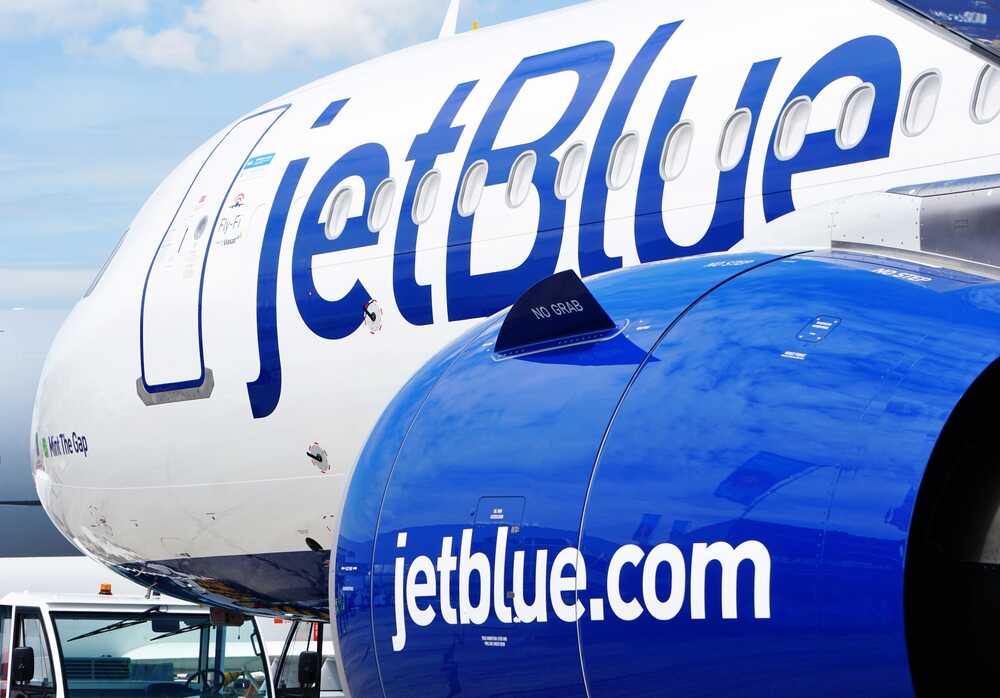
A JetBlue flight reported a drone strike near John F. Kennedy International Airport, then landed safely with no visible damage found.
Quick Take
- The pilot told air traffic control, “We collided with a drone back there in the turn.”
- Federal Aviation Administration inspectors said the aircraft showed no visible damage after landing.
- JetBlue said Flight 948 came from Las Vegas and deplaned normally at JFK.
- The case adds to growing concern about drones near busy airport flight paths.
What the Pilot Reported
JetBlue Flight 948 was approaching JFK from Las Vegas on Monday morning when the pilot reported a drone strike. According to reporting based on air traffic control audio, the crew said the drone hit the aircraft at about 3,000 feet and “right above the cockpit.” The flight landed safely minutes later, and passengers exited normally. The report has drawn attention because the pilot’s account and the later inspection findings do not fully match.
That gap matters because the first account came from the cockpit, not from a guess on the ground. The pilot’s words were direct and specific, but the post-flight inspection found no visible damage or evidence of a collision. JetBlue said the plane was removed from service for inspection before it was cleared again. For readers who want clear answers, that means the core question is still open: what exactly hit the aircraft, if anything?
Why the Inspection Finding Matters
The Federal Aviation Administration said it is investigating the event, but it also said inspectors found no damage during the post-flight check. JetBlue made a similar statement and said it would assist with any relevant investigation. That finding does not prove the pilot made the report in bad faith. It does show why aviation officials need more than a single claim before they draw firm conclusions about a drone strike near a major airport.
For conservative readers who are tired of weak accountability, this is the kind of case that demands hard evidence. If a drone was near a passenger jet on final approach, the public deserves a full explanation. If no collision happened, then the record should show that too. Either way, the answer should come from facts, not from vague talking points or media spin. Airports are not the place for guesswork when lives are on the line.
Drone Threats Near Major Airports
The incident fits a larger pattern of drone reports near crowded airport airspace. The Associated Press reported that drones accounted for 51 percent of reported near-midair collisions over the past decade at the nation’s 30 busiest airports, and that share rose to nearly two-thirds in 2023. The Federal Aviation Administration says it receives more than 100 drone-sighting reports near airports each month. That backdrop explains why one close call can trigger such a fast response.[8][17]
A JetBlue pilot appeared cool-headed as he spoke with ATC following a midair collision with a drone on final approach to JFK.
Full story here: https://t.co/33qCdTmm5S pic.twitter.com/o2fLFqswaw
— AeroTime (@AviationNews) June 30, 2026
Even when a drone is not proven to have hit an aircraft, the danger is real. A small unmanned aircraft near a jet on final approach can create panic, delay, or worse. That is why the case has landed in the middle of a broader argument over airport security, federal enforcement, and whether the system actually keeps drones away from passenger traffic. The public should expect stronger protection around JFK and every other major hub.
What Remains Unanswered
The biggest unanswered question is simple: was there an actual impact, or only a close encounter that sounded like one in the cockpit? The public report does not show a drone operator, a clear image, or a physical trace on the aircraft. It also does not include radar data or a forensic report from the impact area. Until investigators release more detail, the safest reading is that the pilot reported a strike, while the inspection found no visible proof.
Sources:
[8] Web – A JetBlue Airlines pilot reported smashing into a drone at …
[17] Web – Rise in Drone Encounters Near U.S. Airports – AirSight