U.S. diplomats walked out of a United Nations Security Council meeting as France compared America to authoritarian states over human rights votes.
Story Highlights
- U.S. delegation exited during France’s remarks at the Security Council.
- France criticized recent U.S. human rights votes, invoking authoritarian comparisons.
- Deputy Ambassador said France engaged in “disingenuous grandstanding” after the walkout.
- Walkouts at the United Nations are uncommon but have clear precedents.
Walkout Marks Rare Clash Between Allies
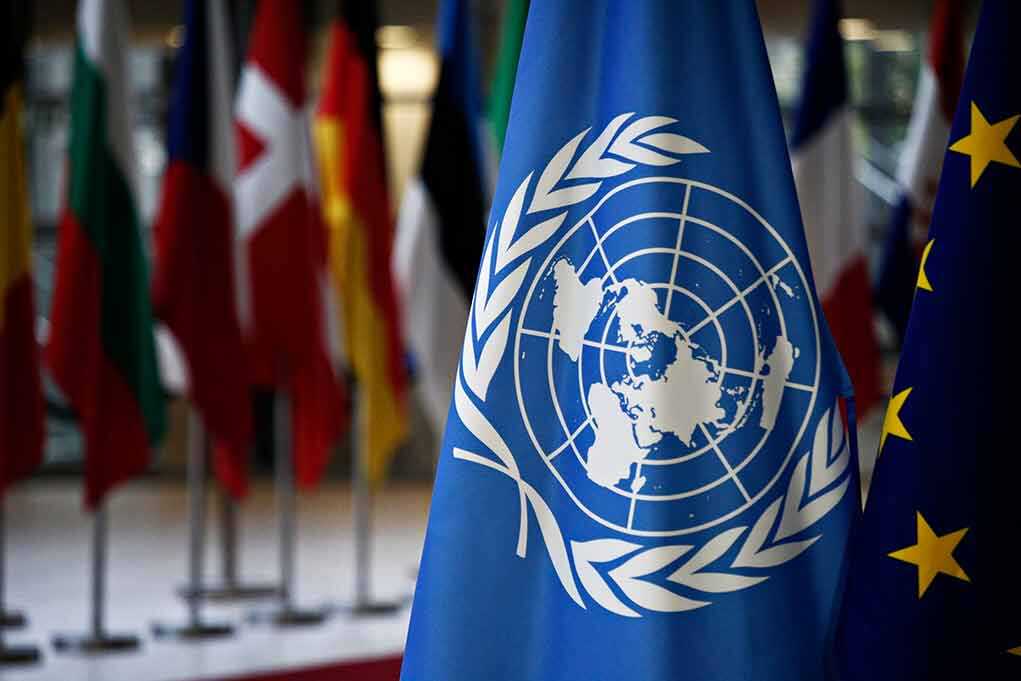
United States diplomats left the United Nations Security Council chamber while France’s ambassador began speaking during a meeting focused on Ukraine. France had criticized recent American votes on human rights and drew comparisons to authoritarian states. Reporters described the walkout as a direct protest of the remarks. The episode underscored strain between two longtime allies inside a forum that often rewards dramatic gestures over quiet fixes.
United States officials framed the exit as a response to disrespect, not to debate. By leaving, the delegation signaled that attacks on America’s character cross a line. The walkout also placed a marker for the Trump administration’s stance at global bodies: allies can disagree, but smears will not go unanswered. After the brief absence, the delegation returned and addressed the room, sharpening the message that the protest was targeted and intentional.
U.S. Response: Defense Of Record And Alliance
United States Deputy Ambassador Dan Negrea pushed back after the walkout. He said the United States has stood with France when its liberty was in danger and called the French comments “disingenuous grandstanding.” He argued that such rhetoric distracts from real work on security and rights. His remarks defended America’s record while reminding the chamber of shared battles and sacrifices with France across the last century.
American officials disputed the idea that recent votes erase the nation’s broader human rights leadership. They pointed to the United States role in funding relief efforts and pressing actual abusers, rather than indulging in political theater. They argued that cheap comparisons to tyrants help those tyrants by blurring moral lines. The message was clear: push reforms, yes, but do not smear the world’s leading democracy to score points in New York.
What France Claimed And Why It Matters
French criticism focused on American votes tied to the United Nations human rights apparatus. France framed those votes as a retreat and aligned the United States with authoritarian actors. That comparison triggered the protest exit. Supporters of the walkout say the charge is both false and reckless. They argue it hands propaganda to adversaries who jail critics, crush faith, and silence free speech every day, while America debates its policies in the open.
The clash also reveals a deeper fight inside global forums. Some governments want the United Nations to police speech and policy across borders. Others warn that unelected bodies tend to grow, spend, and boss around free nations while failing to check real abusers. The Trump administration has stressed sovereignty, secure borders, strong families, energy independence, and accountability over vague global promises that often miss results and drive up costs.
United Nations Walkouts: Not New, But Telling
United Nations walkouts are uncommon yet not rare. Delegations sometimes exit to reject extreme rhetoric and protect their national standing. In 2009, several nations walked out after a Holocaust comparison during a Gaza debate, showing how charged analogies often spark exits rather than on-the-spot rebuttals. Monday’s protest fit that pattern: draw a hard line against moral slurs, then return to business after the point is made.
This history matters because it shows the move is not a tantrum but a diplomatic tool. Exits send a message to the room and to voters at home. They also warn partners that there is a boundary between policy critique and character attacks. When an ally crosses it, a walkout resets the tone. It says: argue the issue, do not smear the nation that has bled for freedom on two continents and still anchors the free world.
What Comes Next For U.S.–France Cooperation
Both sides still share deep interests on Russia’s war in Ukraine, counterterrorism, and trade. The United States can press human rights with strength at home while refusing lectures that lump it with dictators. France can advocate for its view without blurring lines between free societies and police states. Clear lanes will help both countries face real threats, from hostile regimes to energy shocks that raise prices for working families across the West.
Limits And What We Know
Details of France’s full remarks are still filtering through public reports. Outlets confirmed the walkout and the authoritarian comparison frame. The clearest on-record U.S. response came from Deputy Ambassador Negrea on camera. As more transcripts post, we will see exactly how France worded its charge. For now, the walkout stands as a signal: America will debate policy, but it will not sit still for slander inside a hall that should value truth over theater.
Sources:
facebook.com, apnews.com, stuff.co.nz, news24.com, youtube.com