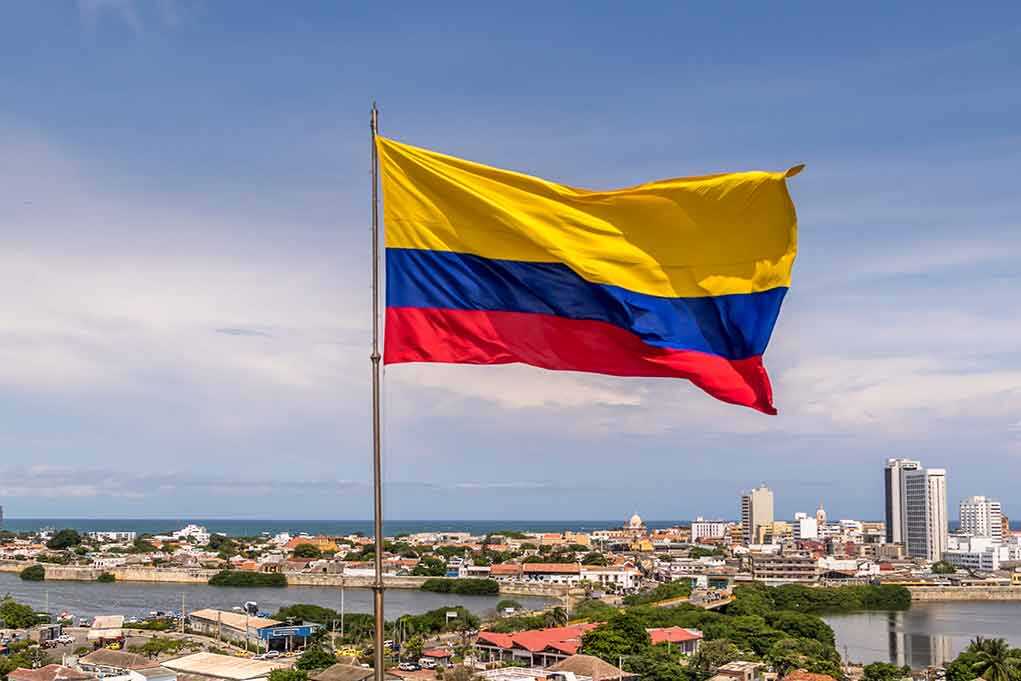
Colombia is about to swear in a new president in Cali instead of Bogotá, breaking more than a century of capital‑city tradition and turning a security‑focused, anti‑left message into a historic show of power in the country’s restless southwest.
Story Snapshot
- Congress approved moving the inauguration from Bogotá to Cali, giving the change full legal backing.
- The ceremony will be held in the Arena USC at Universidad Santiago de Cali, a modern venue picked for security and logistics.
- Supporters call the move a historic decentralization of power and a tribute to military and police forces in Colombia’s south.
- Debate over Bogotá versus Cali shows how symbolism, security, and regional power fights now shape major state events.
Congress Backs Historic Move Out of Bogotá
Colombia’s Congress has formally approved a one‑time move of the presidential inauguration away from the National Capitol in Bogotá and down to Cali, in the Valle del Cauca region. The House of Representatives first backed the change with a large majority, voting to hold the August 7 ceremony in Cali instead of the traditional seat in the capital city. The Senate then signed off on the transfer, confirming that Congress can temporarily relocate its solemn session to another city when it meets certain constitutional conditions. This means the event is not a loose campaign idea; it is an institutionally authorized break with long‑standing protocol.
For decades, Colombian presidents have taken the oath in Bogotá, at the National Capitol and Plaza de Bolívar, under heavy symbolism of central power. Abelardo de la Espriella’s team pushed hard to change that pattern, first arguing for a military base in the conflict‑hit department of Cauca and then requesting Cali as a safer and more practical option. Lawmakers debated at least three different proposals on venue and format before settling on Cali, showing how even a single ceremony can spark tough fights over tradition, law, and security. The final vote locked in the date, the city, and the legal framework for this unusual inauguration.
Why Cali and Why Arena USC?
The new plan places the inauguration in the Arena USC, the main auditorium of Universidad Santiago de Cali, a modern event center with seating for more than two thousand guests. Local reports describe the arena as one of the most advanced spaces in the region, with theater‑style seating, upgraded sound, screens, and parking designed to handle big crowds and live broadcasts. The governor of Valle del Cauca and the mayor of Cali publicly confirmed the site and celebrated the choice, saying the city is ready to host a national‑level event safely and with proper protocol. University leaders also framed the selection as a “historic” moment for Cali and for regional institutions.
Security has been a major part of the story from the start. De la Espriella first talked about taking the oath in a military garrison in Colombia’s south, as a tribute to uniformed forces who face guerrillas, narco‑groups, and cross‑border crime every day. As planning advanced, congressional leaders asked the armed forces for detailed risk reports, and local authorities in Cali began to prepare a large security operation, including strong police and military presence and anti‑drone measures around the arena. Sources close to the team say the switch from Popayán in Cauca to Cali was driven by those security and logistics concerns, not by a desire to water down the original message. The president‑elect still plans his first security council at a nearby air base as a clear nod to the military.
Symbolism: Decentralization, Security, and a Break with the Left
Supporters in Colombia describe the Cali inauguration as a clear step toward decentralizing political power and giving more weight to regions long ignored by Bogotá elites. One outlet even called it a “radical turn toward decentralization of the executive power,” echoing de la Espriella’s campaign promise to recover the country “from the claws of the left” and bring the state closer to areas hit hardest by violence and instability. In that frame, moving the ceremony is not theater; it is meant as a concrete sign that the new government will treat the southwest as a front line in the fight for order, sovereignty, and growth.
6/14 🇧🇷 S.AMERICA — Colombia has deployed more than 11,000 soldiers and police to Cali ahead of the August 7 inauguration of President-elect Abelardo de la Espriella. Private drone flights are banned over the city and fixed checkpoints are in place on corridors linking Cali with…
— The Syndicate (@SyndicateRSS) August 2, 2026
The decision also fits a common pattern in Latin American politics, where big institutional moves serve both symbolic and practical goals. Media coverage of the Cali venue stresses that it is “historic,” that it breaks the tradition of always using Bogotá, and that it responds to serious security concerns around gathering national leaders and foreign guests. At the same time, the lack of publicly released congressional resolutions, full security assessments, or venue contracts means much of the debate rests on repeated press claims rather than primary documents. That repetition can shape public views, making the move look either like meaningful regional recognition or like pure spectacle, depending on the audience’s politics.
Tradition, Procedure, and What Comes Next
Critics who favor keeping the ceremony in Bogotá argue that a simple, central venue reduces legal and logistical questions and keeps protocol stable. They point out that every modern Colombian president has taken office in the capital, so shifting to Cali could raise doubts or encourage further venue fights in future. However, the same record shows no clear constitutional rule that bans another city; instead, Congress used its recognized power to relocate its own solemn session, as long as all members can attend and the oath follows legal form. No serious challenge to the validity of those votes has surfaced publicly so far.
The real test will come after the cameras leave. If the new government follows this “historic” inauguration with real policies that strengthen security, economic freedom, and regional voice in Colombia’s southwest, the Cali ceremony may be remembered as a turning point. If not, it risks being seen as only a symbolic break from Bogotá, with no lasting change behind the stage lights. For American conservatives watching from afar, the event shows another country wrestling with themes that feel familiar at home: restoring order after left‑wing rule, pushing power out of insulated capitals, and honoring the men and women in uniform who stand between chaos and everyday families.
Sources:
gatewayhispanic.com, youtube.com, elpais.com, infobae.com, citytv.eltiempo.com, vanguardia.com, abceconomia.co, elpais.com.co, semana.com, elcolombiano.com