
France’s president moved to curb “illegitimate” protests after a violent weekend, ordering a defence council and tighter controls before more marches.
Story Highlights
- President Emmanuel Macron convened a defence council and pledged new decisions before the weekend protests.
- France prepared to allow union-led marches while restricting unauthorised gatherings and rerouting crowds.
- Authorities planned more police and elite units after prior unrest brought looting and curfews.
- Macron blamed “seditious” ultra-left groups amid warnings about protest bans and civil-liberties tests.
Macron Orders Defence Council And Pre-Event Security Moves
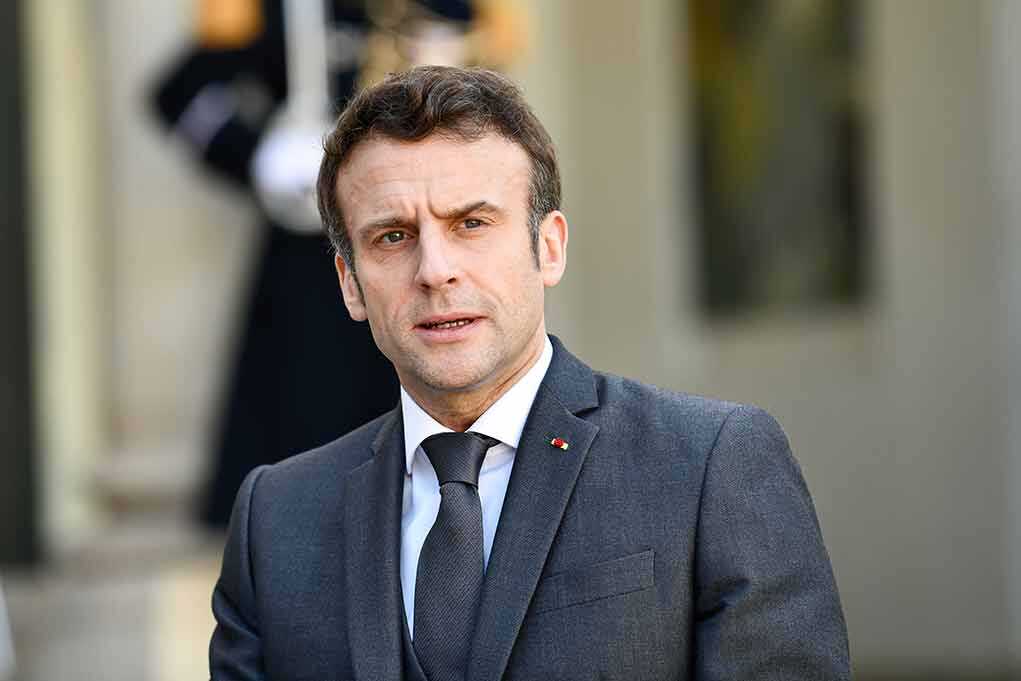
President Emmanuel Macron announced a defence council under his chairmanship and said further decisions would come before fresh demonstrations. Reports on October 22 said the meeting would occur Friday, as France braced for another tense weekend. The move followed high-level security talks with intelligence chiefs, the prime minister, and senior ministers earlier in the week. Officials framed the steps as necessary to protect public order after a surge of violence during the prior protests.
Government briefings said the council would gather the prime minister, key ministers, and all major intelligence services. That structure aimed to tighten coordination, share threat updates, and align orders before crowds formed. The Élysée signaled that decisions would balance the right to assemble with safety. Officials underscored that the meeting sought to prevent a repeat of property damage that strained police forces and shook businesses in major cities.
Plan: Authorise Union Marches, Restrict Unauthorised Gatherings
Authorities said union-organised demonstrations would proceed, while prefects could ban or reroute unauthorised gatherings. Interior guidance pointed to alternative routes to protect shops and transit hubs. City officials also prepared targeted restrictions near sensitive sites, such as government buildings and major stations. The approach aimed to steer large groups away from high-risk zones without fully shutting down lawful protest. The government presented this as a calibrated response to real, recent disorder.
Officials did not publish detailed routes or participant estimates. Reports noted that prefects would make case-by-case calls and could adjust in real time as crowds moved. That left room to intervene where violence risk rose, while avoiding blanket bans. French law allows restrictions when public safety is at stake, and courts can review measures for proportionality. This legal backdrop shaped the weekend planning, especially in cities hit hard the previous week.
Security Surge After Violence, Looting, And Curfews
France had deployed nearly 60,000 security personnel the previous weekend, yet looting and vandalism still broke out in several areas. Cities imposed curfews as police struggled to contain fast-moving troublemakers. For the new round, officials prepared to increase numbers by about 20 percent and bring in elite units. Reports mentioned the deployment of soldiers under the Sentinelle mission and specialised police teams RAID, National Gendarmerie Intervention Group, and Research and Intervention Brigade.
BREAKING – France’s Macron to Hold Defence Council Meeting Friday Ahead of Weekend Protests https://t.co/1vkwewZ4No pic.twitter.com/m8GVxLtDNi
— Insider Paper (@TheInsiderPaper) October 22, 2026
Macron said he would review the failures that led to the past weekend’s events. He also blamed “seditious” ultra-left groups for seeking to destabilise the Republic. The government did not release the intelligence behind those claims. Still, the president’s message set a firm tone ahead of Saturday, placing potential agitators on notice while inviting union-led organisers to proceed under tighter rules. The plan’s success would be measured by fewer injuries and less damage.
Civil Liberties, Courts, And The Line Between Order And Rights
French law treats protest as a fundamental liberty but allows limits to protect public order. Prefects and mayors can restrict or ban a march if specific risks justify it, and courts examine whether actions are narrow and proportionate. Judges have upheld targeted measures and struck down overly broad ones. This legal check matters as France weighs bans around key sites, curfews, and rerouting. The government said its weekend steps would be tailored, not sweeping.
For American readers, this fight will feel familiar. Leaders promise safety after riots. Citizens insist on free speech and fair treatment. The lesson is clear: when government keeps order without crushing peaceful voices, liberty wins. When extremists hijack crowds, families, shops, and small businesses pay the price. France is trying to draw that line now. The coming days will show if stronger policing and smarter routes can protect both safety and the right to be heard.
Sources:
insiderpaper.com, nampa.org, ca.news.yahoo.com, euronews.com, news.cgtn.com, rfi.fr, reuters.com