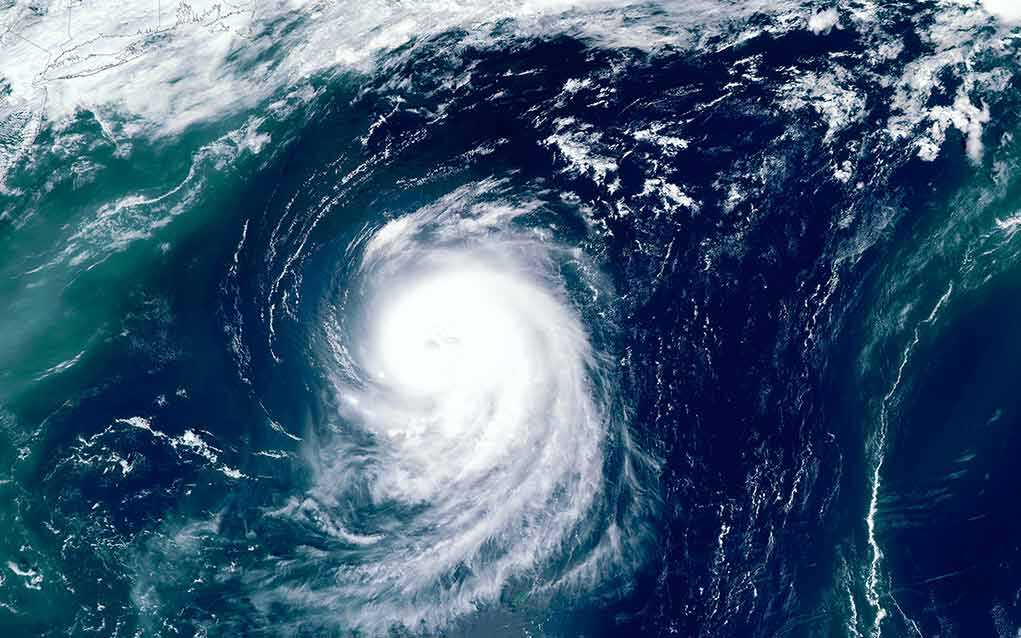
A powerful Typhoon Champi is bearing down on Okinawa’s Sakishima Islands with dangerous winds, heavy rain, and widespread flight disruptions forecast.
Story Highlights
- Japan’s weather agency warns of windstorms, high waves, and heavy rain for Okinawa’s Sakishima Islands.
- Forecasts call for violent gusts and rainfall totals that can trigger flooding and damage.
- Airlines in Japan and Taiwan cancel more than 100 flights ahead of the storm.
- Officials urge residents to prepare as the storm track nears key islands through Saturday.
Japan’s Forecast Calls For Damaging Winds And Heavy Rain
Japan’s national weather service forecast that Typhoon Champi would approach the Sakishima Islands between Friday and Saturday, passing as close as roughly 160 kilometers from the coast. The agency warned residents to brace for windstorms, high waves, and heavy rain. The Japan Times reported possible maximum winds up to 216 kilometers per hour for parts of Okinawa, with rough seas and high tides expected as the storm’s large circulation pushes in.
Nippon.com, citing official data, reported a central pressure near 925 hectopascals, sustained winds around 50 meters per second, and instantaneous winds near 70 meters per second. Forecast totals included about 200 millimeters of rain by Friday evening and 150 millimeters by Saturday evening. Officials cautioned that the Yaeyama region could see winds strong enough to damage homes, which is why they urged people to secure property and stay off the water.
Air Travel Disrupted As Carriers Act On Risk
Japan’s largest airlines began canceling flights ahead of the storm’s arrival. Reports indicated more than 100 mostly domestic flights were canceled between Thursday and Sunday, affecting over 11,000 passengers as planners adjusted schedules around the forecast wind field. Taiwan-based carriers also scrubbed or rescheduled routes to Okinawa. China Airlines and Tigerair Taiwan listed specific cancellations, including flights CI122 and CI123, and IT232 and IT233, citing Champi’s hazardous conditions.
These actions show how operators move early when a storm of this size is near. Airplanes need safe wind windows to land and depart. Ground teams must secure equipment and protect crews. While some cancellations may look excessive to outsiders, they reflect common-sense safety standards. Airlines would rather move people a day late than take chances in crosswinds and heavy rain that can shift by the hour around a typhoon’s edge.
Where The Storm Is Headed And What Residents Should Do
Forecast tracks show Champi moving northwest from east of the Philippines toward the southern arc of Japan, placing the Sakishima Islands in the zone for severe weather through Saturday. That window means residents still have time to prepare. People should charge phones, check flashlights, and clear drains. Drivers should avoid flooded roads. Boaters should stay in port. Families should plan for brief power loss, since strong gusts and saturated ground raise the risk of downed lines.
Typhoon Champi is battering Ishigaki Island in Japan’s Okinawa Prefecture with powerful winds and dangerous storm surges, raising concerns over coastal safety and potential damage.#TyphoonChampi #Japan #Okinawa #IshigakiIsland #Typhoon pic.twitter.com/ZlCUUIUEYh
— NewsMobile (@NewsMobileIndia) October 23, 2026
Officials have highlighted the risk of coastal hazards from high waves and dangerous surf. Even experienced swimmers and surfers can be caught off guard by long-period swells and rip currents ahead of the storm center. Beach access can seem safe in a lull, only to turn rough in minutes. Simple steps help: keep children away from seawalls, avoid piers, and do not climb onto rocks near the spray zone. Local advisories will update as the storm makes its closest pass.
How To Read The Numbers Without The Hype
Different reports list winds in kilometers per hour or meters per second, and some cite “sustained” versus “instantaneous” winds. That can make the storm seem inconsistent, but it reflects timing and measurement style. What matters locally is the wind likely at your location, not just the maximum near the center. The common thread this week is clear: forecasters expect dangerous gusts, heavy rain, and high seas for the Sakishima Islands, and travel operators are acting on that risk.
Sources:
youtube.com, japantimes.co.jp, nippon.com, newsobserver.com