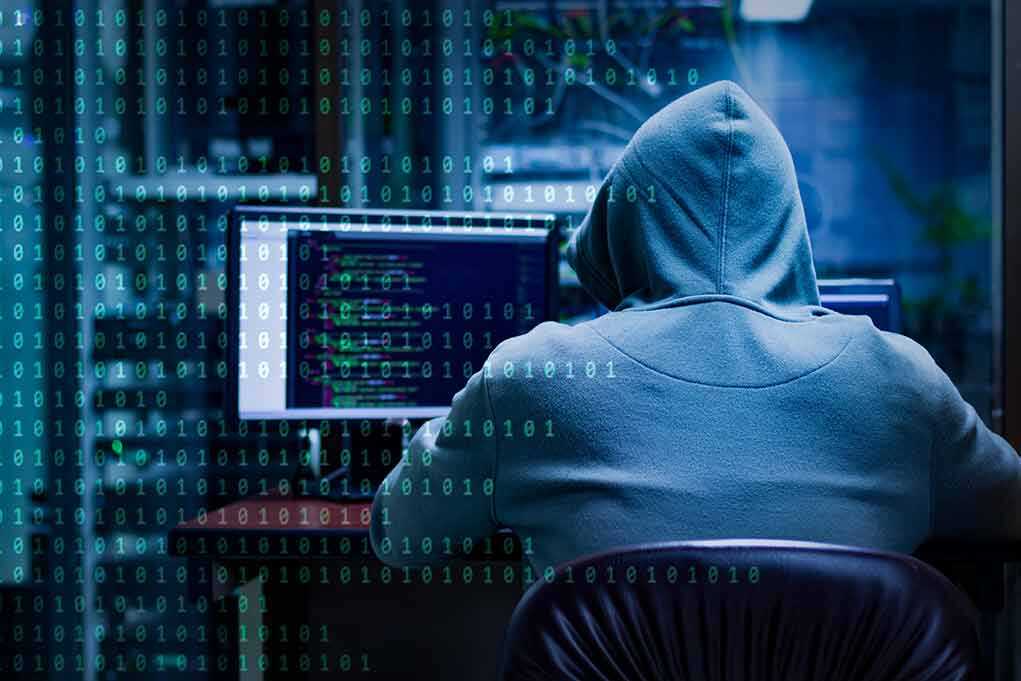
North Korea is training children to become elite cyber thieves, then using them to rob global finance at scale, U.S. records and fresh reporting show.
Story Highlights
- U.S. Treasury and Justice Department tie Lazarus Group and allied teams to North Korea’s spy service.
- Officials say North Korea trains operatives to steal and launder money from banks and crypto firms.
- Reuters reports a pipeline that selects gifted children and channels them into cyber units.
- U.S. Treasury links Lazarus Group to a $620 million crypto theft in 2022.
U.S. Records Link Hacker Groups To North Korea’s Spy Service
U.S. Treasury formally identified Lazarus Group, Bluenoroff, and Andariel as entities controlled by North Korea’s government and connected to the Reconnaissance General Bureau, the regime’s intelligence arm. The Department of Justice later charged three North Korean military hackers in a wide-ranging plot that targeted banks, companies, and cryptocurrency platforms. These actions show a consistent U.S. government view: Pyongyang runs organized cyber units that steal for the regime and its weapons programs.
U.S. officials also described how the regime builds this force. Treasury said North Korea trains cyber actors to target financial institutions and launder stolen funds. A separate Justice Department complaint described programmer Park Jin Hyok as part of a North Korean team known as Lazarus Group, operating through a government front company to support hacks and extortion schemes. Together, the records outline intent, structure, and named personnel. This is not random crime. It is state-directed theft at scale.
Reported Pipeline: Early Selection, Elite Schooling, Military Units
Reuters, citing a former trainer and defectors, reports that North Korea selects about 150 to 200 gifted children each year, starting around ages 11 to 12, then sends top students to elite universities and later to military cyber units. The same reporting describes instruction in math, coding, and foreign languages, with prime recruits feeding into advanced programs and operational teams. While the exact headcount relies on interviews, the pattern matches U.S. records that name real institutions and units.
U.S. sanctions singled out Pyongyang University of Automation as a premier training school whose graduates often enter cyber units under the Reconnaissance General Bureau. That government designation aligns with the Reuters account of a state pipeline from student screening to operational roles. The overlap strengthens confidence in a core point that matters for our security and wallets: the regime grooms talent young, then deploys them to steal money to fund itself.
Proven Heists And The Shift To Cryptocurrency Theft
U.S. Treasury attributed a $620 million cryptocurrency theft from the Ronin blockchain project in March 2022 to Lazarus Group. The Department of Justice’s 2021 indictment detailed wider schemes against banks and digital assets, all tied back to North Korea’s intelligence-linked hackers. These official actions underscore a shift that analysts have tracked for years: from bank transfers and cash-outs toward crypto platforms, mixers, and “chain-hopping” to wash the loot. The target changed, but the thief stayed the same.
This threat hits Americans through higher costs, stolen savings, and attacks on the financial system. It also funds a hostile regime. That is why strong sanctions, tighter crypto controls, and joint law enforcement with allies matter. President Trump’s team has the authority to keep turning the screws with designations, seizures, and pressure on exchanges that fail to block known wallets. The aim is simple: make it harder for Pyongyang to cash out and easier to claw money back.
What Holds Up, And What Needs Caution
Official U.S. records are clear on core facts: North Korea runs hacking units tied to its spy service, and those units have stolen large sums from banks and crypto platforms. The Reuters reporting adds texture about how students are picked and trained, based on interviews with a former trainer and defectors. That human-sourced detail is valuable, but exact annual selection numbers are harder to verify from public North Korean records alone. The core security problem, however, is well established.
Why This Matters To American Families
Every dollar stolen by North Korean hackers is a dollar that can build missiles, buy parts, and bankroll more attacks. That money is not abstract. It can come from an American exchange, a bank abroad that links to U.S. markets, or an app your family uses. Strong borders mean little if our digital gates stay open. The answer is firm policy, fast disruption, and no safe harbor for state-run thieves. That keeps your savings safer and our nation stronger.
Sources:
youtube.com, reuters.com, businesstimes.com.sg, techtarget.com, justice.gov, biz.heraldcorp.com